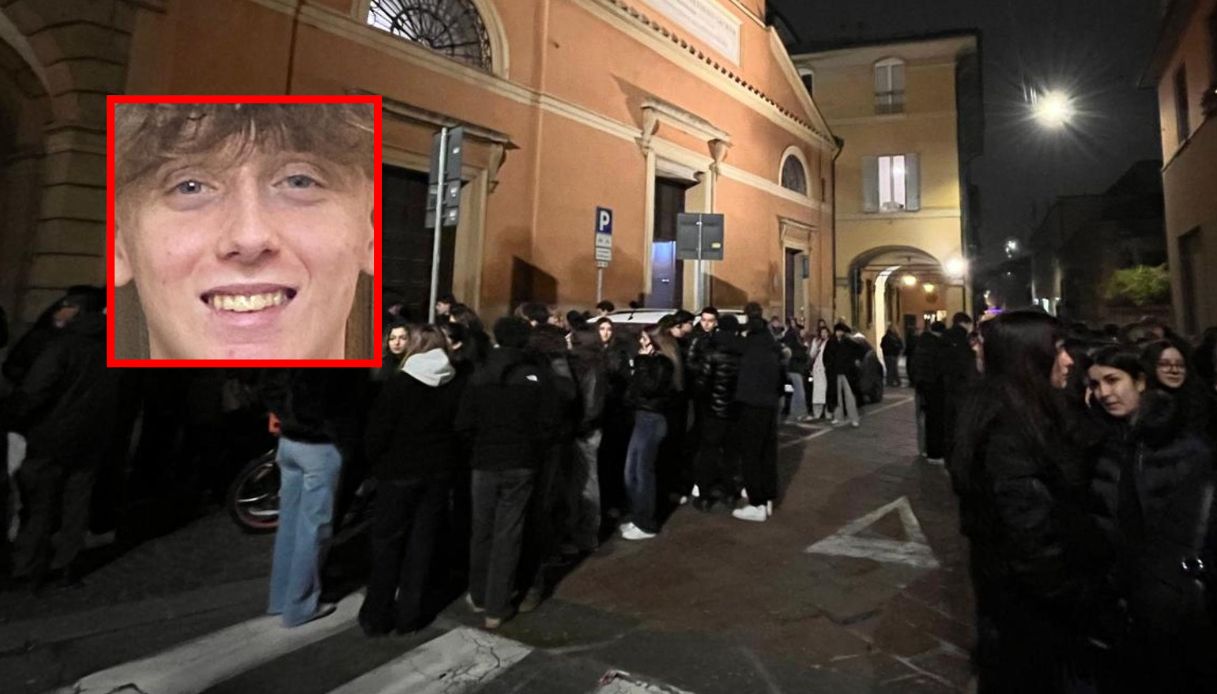
In the heart of Bologna, a project designed to transform tragedy into social utility has become a flashpoint for community tension. The proposal to establish a dedicated village for homeless individuals in the Lazzaretto district, named in honor of Giovanni Tamburi, has sparked a wave of opposition from local residents, leading to organized petition drives and heated debates over urban management.
The initiative, intended as a sanctuary for the city’s most vulnerable populations, seeks to implement a supportive housing model that moves beyond temporary shelters. However, what the municipality envisions as a beacon of solidarity, a significant portion of the neighborhood views as a potential catalyst for urban decay and security concerns. This clash highlights a growing struggle in many European cities: the challenge of integrating social services into residential areas without alienating the existing community.
The “chaos” currently unfolding at Lazzaretto is not merely a dispute over land use, but a fundamental disagreement on how a modern city should handle homelessness. While advocates argue that the “Housing First” philosophy—providing permanent housing as a primary step toward stability—is the only sustainable solution, critics in the district argue that the specific location and the lack of comprehensive management plans make the project untenable.
The Memory of Giovanni Tamburi
The emotional weight of the project is tied to the name it bears. Giovanni Tamburi was a young man from Bologna whose life was tragically cut short in a skiing accident in Crans-Montana, Switzerland. His death resonated deeply within the local community, and the decision to name the homeless village after him was intended to symbolize a legacy of compassion and the protection of human dignity.

By linking the facility to Tamburi’s memory, the project’s organizers aimed to frame the village not as a clinical institution, but as a community-driven effort to ensure that no one in Bologna is left without a roof over their head. For the families and friends of the deceased, and for the social workers spearheading the project, the village represents a moral imperative to care for the marginalized in the spirit of a life lost too soon.
The Lazzaretto Project: Vision and Implementation
The proposed village in the Lazzaretto area is designed to be more than a collection of beds. The goal is to create a managed environment where homeless individuals can access social services, psychological support, and pathways to employment. Unlike traditional shelters, which often operate on a short-term, emergency basis, this model emphasizes stability and the gradual reintegration of individuals into society.
The municipality of Bologna has long struggled with a rising number of people living on the streets, a trend exacerbated by economic instability and a shortage of affordable housing. The Lazzaretto project was envisioned as a strategic response to this crisis, utilizing available space to create a concentrated hub of support. By providing a fixed address and consistent care, the city hopes to reduce the prevalence of encampments in public parks and squares.
Community Backlash and the Petition Drive
Despite the altruistic goals of the project, the reception among Lazzaretto residents has been starkly negative. A grassroots movement has emerged, characterized by the collection of signatures (raccolta firme) to formally oppose the establishment of the village. The residents’ grievances are multifaceted, ranging from fears of increased crime to the perceived “ghettoization” of their neighborhood.
Opponents of the village argue that the Lazzaretto area is already under pressure from various urban challenges. They contend that placing a high-density facility for vulnerable populations in the area, without a corresponding increase in police presence and social monitoring, could lead to a decline in safety and property values. The “chaos” cited by local reports refers to the friction between city officials and a community that feels its concerns are being ignored in favor of a top-down political agenda.
some residents have pointed to a lack of transparency in how the site was selected. They argue that while social housing is necessary, the burden should be distributed more equitably across the city rather than concentrated in a single district. The petition drive serves as a formal mechanism to demand a reconsideration of the site or a complete overhaul of the project’s management plan.
The Broader Crisis of Homelessness in Bologna
The conflict at Lazzaretto is a microcosm of a larger systemic issue facing Bologna and other major Italian urban centers. The city has seen a shift in the demographics of its homeless population, with an increase in “invisible” homeless—people who may have part-time work but cannot afford rent—and a rise in foreign nationals who lack the legal documentation to access traditional state welfare.

The struggle to implement the Giovanni Tamburi village reflects the tension between the “Right to the City” for the homeless and the “Right to Quiet Enjoyment” for homeowners. Social advocates argue that opposing such projects only pushes the homeless further into the margins, creating more dangerous and unsanitary encampments that are even harder for the city to manage.
To address these tensions, urban planners are increasingly looking toward “mixed-use” social integration, where supportive housing is blended with other community services to avoid the stigma and security risks associated with isolated shelters. However, in the case of Lazzaretto, the divide between the administration and the residents remains wide.
Key Points of Contention
| Issue | Municipal/Advocate View | Resident/Opponent View |
|---|---|---|
| Purpose | Dignified housing and social reintegration. | Potential center for instability and urban decay. |
| Location | Strategic use of available urban space. | Unfair concentration of social burdens in one area. |
| Security | Managed environment reduces street homelessness. | Increased risk of crime and lack of monitoring. |
| Symbolism | Honoring Giovanni Tamburi through solidarity. | Using a tragedy to justify a flawed urban plan. |
As the signature collection continues, the pressure on the Bologna City Council to respond grows. The administration faces a delicate balancing act: fulfilling its commitment to the homeless and honoring the memory of Giovanni Tamburi, while maintaining the trust and cooperation of the citizens who live in the affected district.
The next critical step will be the formal presentation of the petitions to the municipal government, which is expected to trigger a series of public hearings and consultations. Whether the city will modify the project, move the location, or proceed despite the opposition remains to be seen.
We invite our readers to share their thoughts on the balance between social necessity and community concerns in the comments below.