
For patients battling advanced non-small cell lung cancer (NSCLC), the burden of treatment often extends beyond the disease itself. The hours spent tethered to intravenous (IV) drips in infusion centers can be as taxing as the medication, often accompanied by challenging infusion-related reactions that disrupt daily life.
A significant shift in the treatment landscape has arrived with the U.S. Food and Drug Administration (FDA) authorizing a simplified, monthly subcutaneous dosing schedule for a potent combination therapy targeting specific genetic mutations. This move aims to streamline the first-line treatment for EGFR-mutated advanced NSCLC, transitioning patients from lengthy IV infusions to a more efficient subcutaneous administration.
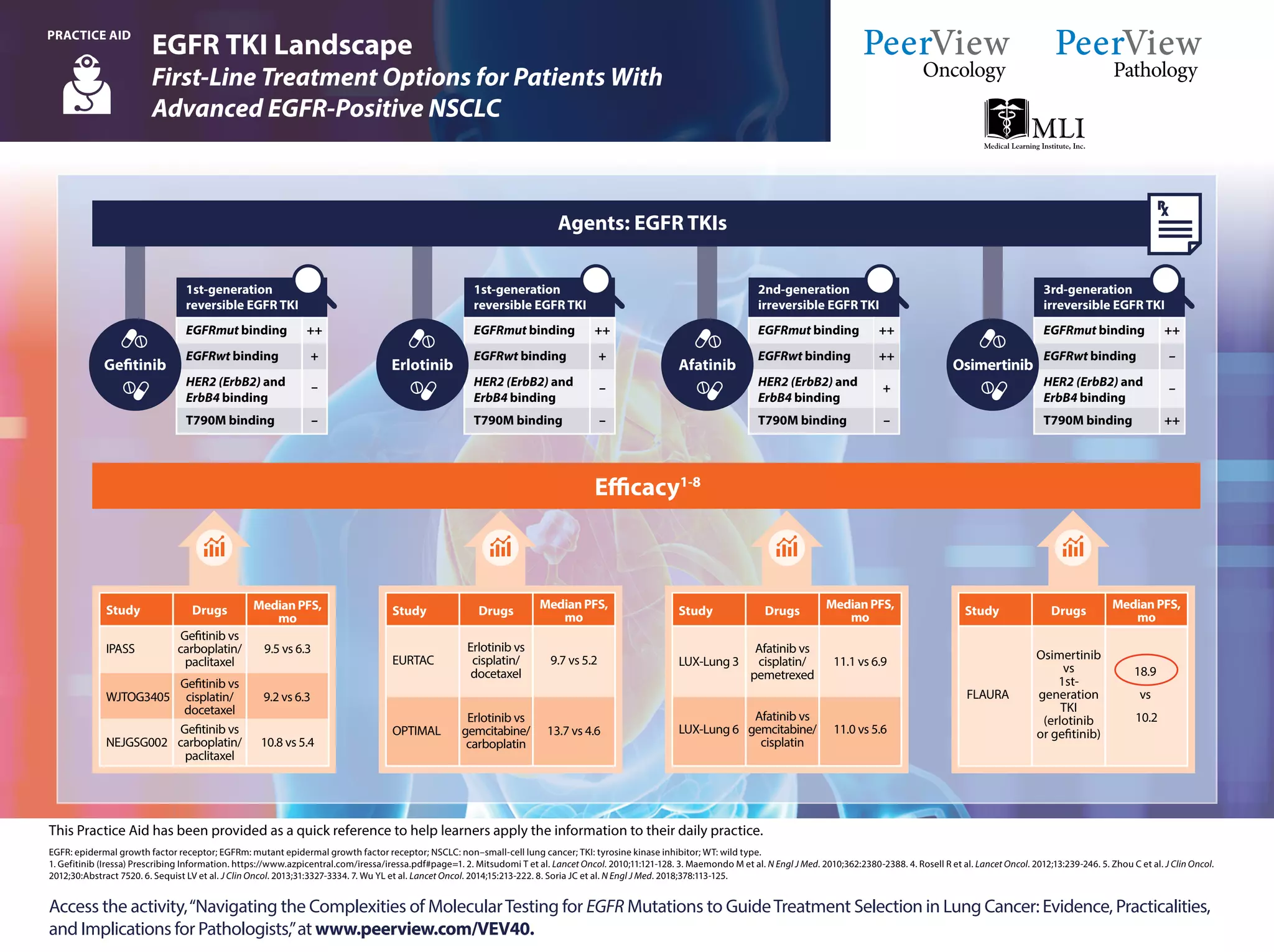
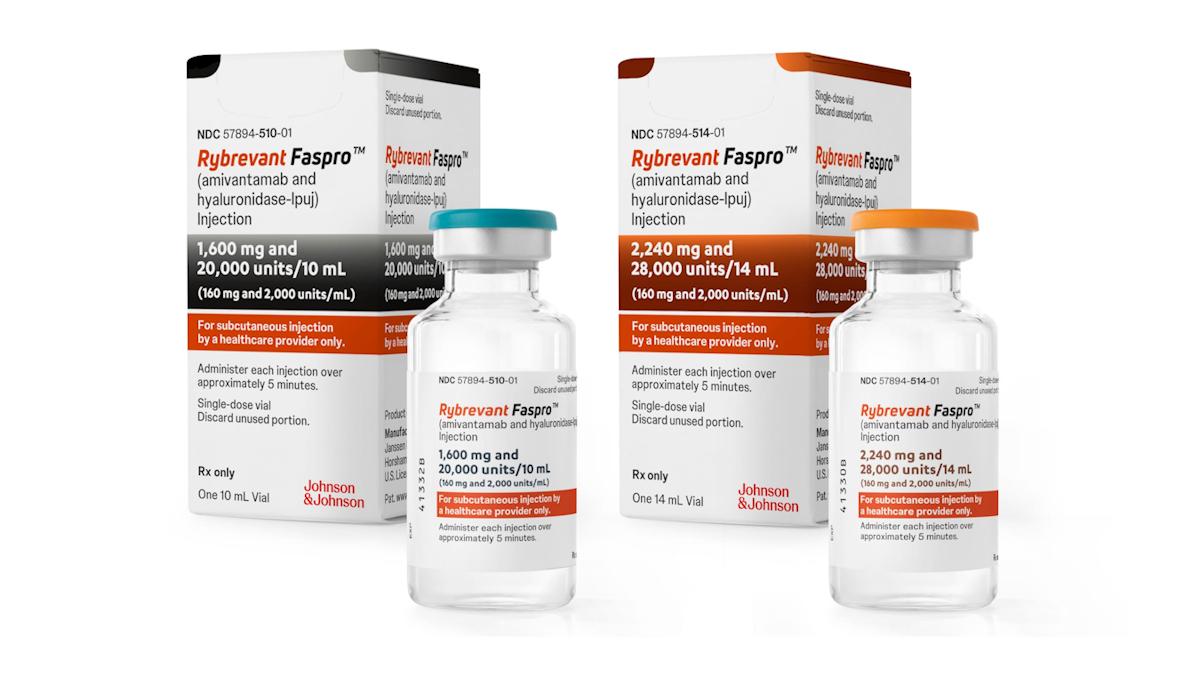
The approved regimen combines amivantamab and hyaluronidase-lpuj—marketed as Rybrevant Faspro—with lazertinib. By utilizing a subcutaneous formulation, the medical community is seeing a dramatic reduction in administration time and a decrease in the frequency of adverse reactions, potentially improving the quality of life for thousands of patients globally.
As a physician and journalist, I have seen how the “logistics of care” can impact patient adherence and mental health. When a treatment that previously took hours can be administered in a fraction of the time, it is not merely a convenience. it is a clinical victory that returns time and dignity to the patient.
The Evolution of First-Line Treatment for EGFR-Mutated NSCLC
Non-small cell lung cancer is often driven by mutations in the epidermal growth factor receptor (EGFR). While targeted therapies have long existed for these patients, the introduction of amivantamab—a bispecific antibody—represented a leap forward. Amivantamab targets both the EGFR and MET receptors, blocking the signals that allow cancer cells to grow and survive.
The most recent regulatory milestone occurred on February 17, 2026, when the FDA authorized a simplified every-four-weeks subcutaneous dosing schedule for the combination of amivantamab/hyaluronidase and lazertinib for first-line use in patients with EGFR-mutated advanced NSCLC (FDA). This follows an earlier approval in December 2025 that expanded the subcutaneous formulation across all current indications for amivantamab.
The “Faspro” formulation incorporates hyaluronidase, an enzyme that temporarily breaks down hyaluronic acid in the subcutaneous tissue. This allows a larger volume of the medication to be absorbed more efficiently into the bloodstream, eliminating the need for the prolonged intravenous infusions that characterized earlier versions of the therapy.
Clinical Evidence: The PALOMA-3 Trial
The transition to monthly subcutaneous dosing is backed by rigorous clinical data from the phase 3 PALOMA-3 trial. The study focused on the efficacy and safety of combining amivantamab/hyaluronidase with lazertinib, specifically looking at how the subcutaneous route compared to traditional delivery.
The results indicated a robust response rate. According to PALOMA-3 data, the objective response rate (ORR) was reported at 82% by investigators and 87% by an independent central review (ICR) (Johnson & Johnson). The confirmed ORR stood at 79% and 83%, respectively, with a median time to response of 8.1 weeks.
Perhaps the most striking finding for clinicians and patients alike is the reduction in administration-related reactions (ARRs). IV administration of amivantamab has historically been associated with high rates of ARRs, often reaching 66%. In contrast, the every-four-weeks subcutaneous dosing saw ARRs occur in only 12% of patients, with only one event graded as grade 3 or higher (Johnson & Johnson).
| Administration Method | ARR Incidence Rate | Patient Impact |
|---|---|---|
| Intravenous (IV) Infusion | Approximately 66% | Higher incidence of acute reactions; longer clinic stay. |
| Subcutaneous (Monthly) | Approximately 12% | Significantly lower reaction rate; shorter administration time. |
Why This Matters: Beyond the Biology
When we discuss “first-line treatment,” we are talking about the very first medication a patient receives after their cancer is diagnosed and mutated. The choice of first-line therapy sets the stage for the entire trajectory of the patient’s care.
The shift to a subcutaneous, monthly schedule provides three critical advantages:
- Reduced Toxicity: The drop from a 66% reaction rate to 12% is clinically profound. It means fewer patients experiencing the distress of infusion reactions and a lower likelihood of needing rescue medications.
- Increased Access: Shorter administration times mean clinics can see more patients per day, reducing wait times and increasing the throughput of oncology centers.
- Patient Autonomy: Moving from a multi-hour IV process to a subcutaneous injection reduces the “patient identity” associated with spending entire days in a hospital setting.
While the efficacy—measured by the ORR and progression-free survival (PFS)—remains consistent with the high standards of the combination therapy, the delivery of that efficacy is what has been optimized. The PALOMA-3 trial showed that discontinuation due to treatment-related adverse events was limited to 8%, suggesting that the monthly subcutaneous regimen is well-tolerated over the long term.
Managing Expectations and Side Effects
Despite the improvements in administration, amivantamab remains a powerful medication with a specific side-effect profile. Patients and caregivers should remain vigilant for common reactions, which can include skin rashes, nail infections, muscle and joint pain, and fatigue. Because this therapy targets the EGFR pathway, skin-related toxicities are frequent and should be managed by a dermatologist or oncologist.
the use of anticoagulation remains a point of clinical monitoring. Data indicates that venous thromboembolism (VTE) rates with anticoagulation for the monthly subcutaneous dose are comparable to the every-two-weeks subcutaneous dosing, ensuring that the simplified schedule does not compromise patient safety.
Practical Guidance for Patients and Caregivers
If you or a loved one are navigating a diagnosis of EGFR-mutated advanced NSCLC, it is essential to have a detailed conversation with your oncology team about the available formulations. Not every patient is a candidate for every therapy, and the specific mutation (such as Exon 20 insertions or other EGFR mutations) will dictate the choice of drug.
Questions to ask your provider include:
- Is the subcutaneous formulation of amivantamab (Rybrevant Faspro) appropriate for my specific mutation?
- How will the monthly dosing schedule change my current clinic visit routine?
- What is the plan for managing potential skin-related side effects?
- Are there specific anticoagulation protocols I need to follow while on this combination therapy?
For the most current official guidelines and safety labeling, patients are encouraged to visit the FDA’s drug database or consult the official prescribing information provided by the manufacturer.
Looking Ahead
The authorization of monthly subcutaneous dosing represents a broader trend in oncology: the move toward “patient-centric” delivery. We are entering an era where the goal is not just to kill the tumor, but to do so while preserving the patient’s ability to live a normal life.
The next critical checkpoint for this therapy will be the long-term follow-up data from the PALOMA-3 trial, specifically regarding overall survival (OS) and long-term progression-free survival (PFS), which had not yet been reached at the 6.5-month follow-up mark reported in early 2026.
We will continue to monitor these clinical updates as they emerge to determine how this regimen alters the long-term prognosis for NSCLC patients.
Do you have questions about the latest innovations in lung cancer treatment? Share your thoughts or experiences in the comments below, and please share this article with others who may find this information helpful.
Worth a look