As the tech world turns its gaze toward Cupertino, the anticipation for the upcoming Worldwide Developers Conference (WWDC) is reaching a fever pitch. For millions of users, particularly in Central Europe, the conversation surrounding iOS 27 is not just about incremental speed boosts or new widgets, but about a long-overdue bridge in communication: the potential arrival of Siri in Polish.
With the current iOS 26 ecosystem having established a new visual language through its “Liquid Glass” design and expanded Visual Intelligence capabilities, Apple is now positioned to move beyond aesthetics. The industry expectation for iOS 27 is a pivot toward deep, functional intelligence—specifically, a more natural, chatbot-style interaction model that could finally unlock Siri’s full potential for the Polish-speaking market.
For years, the absence of Polish language support in Siri has been a notable gap in Apple’s localization strategy. However, the evolution of Apple Intelligence and the integration of large language models (LLMs) have changed the technical landscape. Adding a new language is no longer just about recording thousands of voice samples. We see about training an AI to understand nuance, context, and cultural idioms—a feat that becomes significantly more attainable with the next-generation AI architecture rumored for the 2026 update.
The Road to Siri in Polish: Why iOS 27 Matters
The possibility of “Siri po polsku” (Siri in Polish) is more than a convenience; it is a strategic necessity for Apple to maintain its competitive edge in the European Union. While iOS 26 introduced impressive Live Translation features that allow users to communicate across languages in Messages and FaceTime, these are essentially “translation layers.” A native Polish Siri would represent a fundamental shift toward a localized, intuitive AI assistant.
Industry reports suggest that the overhaul of Siri in iOS 27 will move away from the rigid, command-based structure of the past. Instead, the new interface is expected to behave more like a sophisticated chatbot, capable of maintaining complex conversations and executing multi-step tasks. If this architecture is deployed, the rollout of new languages—including Polish—could happen more rapidly than in previous years, as the AI can be fine-tuned for specific languages without rebuilding the entire assistant from scratch.
For the Polish user, this would mean the ability to set reminders, control smart home devices, and query the web in their native tongue, fully integrated into the Apple ecosystem. Given the sophistication of current LLMs, the expectation is that this version of Siri will handle the complex morphology and grammar of the Polish language with a level of fluency previously unseen in consumer electronics.
iOS 27: Performance, Stability, and Intelligence
While language expansion is a headline-grabber, the core of iOS 27 is expected to be a “refinement” release. After the sweeping visual changes of iOS 26, which introduced a fluid, refractive design across the Lock Screen and Control Center, Apple is rumored to be prioritizing system stability and performance optimization for the 2026 cycle.

Beyond stability, the expansion of Apple Intelligence remains a primary pillar. We expect to see “Visual Intelligence” evolve from the screen-searching tools found in iOS 26 into more proactive assistants. Rumors indicate new capabilities such as advanced nutrition label scanning and enhanced vision recognition for smart home integration, allowing the iPhone to “see” and understand the environment in real-time to provide contextual help.
The most significant technical shift, however, is the rumored transition to a new AI backend. Some reports suggest Apple may be integrating more advanced chatbot technologies—potentially leveraging partnerships to enhance Siri’s reasoning capabilities—to ensure that the assistant can handle complex queries that currently result in a “web search” suggestion.
Adapting for the Fold: The Hardware Synergy
Software does not exist in a vacuum, and iOS 27 is widely expected to be the foundation for Apple’s first foray into foldable hardware. The operating system will likely need to support a drastic shift in aspect ratios, moving from a standard smartphone display to a much larger internal canvas.
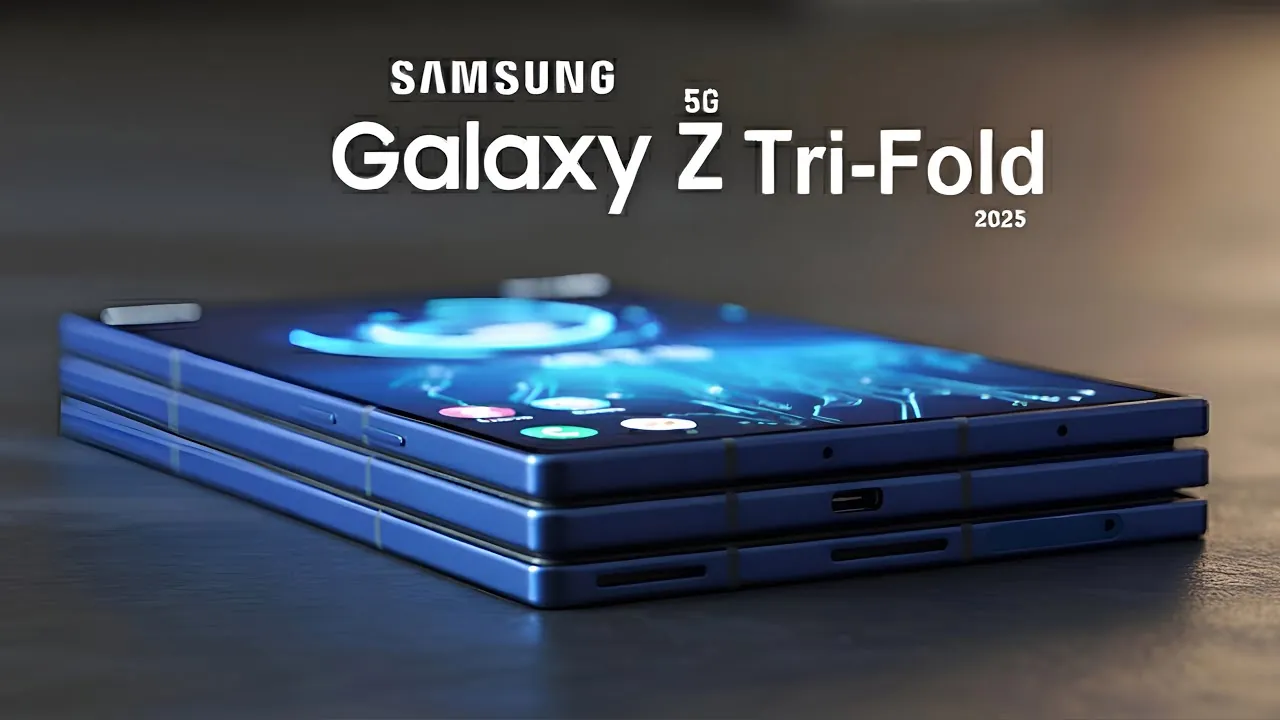
Reports suggest that iOS 27 will introduce significant adaptations for a device featuring a roughly 5.5-inch external display and a 7.8-inch internal display. This requires a complete rethink of multitasking, window management, and the “Liquid Glass” interface to ensure that apps scale fluidly without losing functionality. This “foldable-first” approach to software design will likely introduce new gesture controls and a more robust version of Stage Manager for the iPhone, bridging the gap between the iPhone and the iPad.
This hardware synergy means that iOS 27 will not just be an update for existing iPhones, but a launchpad for a new category of device. The integration of a chatbot-style Siri will be particularly useful on a larger screen, where a split-view interface could allow users to interact with the AI in a dedicated window while working in another app.
Comparing the Evolution: iOS 26 vs. IOS 27
To understand where Apple is going, it is helpful to look at where it currently stands. IOS 26 was the year of the “visual revolution,” focusing on the sensory experience of the device. IOS 27 appears to be the year of “cognitive revolution,” focusing on how the device thinks, and communicates.
| Feature | iOS 26 (Current) | iOS 27 (Expected) |
|---|---|---|
| Design Language | Liquid Glass (Refractive/Fluid) | Refinement of Liquid Glass |
| Siri Interface | Command-based Assistant | Chatbot-style Conversational AI |
| Language Support | Live Translation Layers | Potential Native Polish Support |
| AI Focus | Visual Intelligence / Screen Search | Proactive Contextual Intelligence |
| Hardware Focus | Standard Slab Smartphones | Foldable Display Optimization |
What This Means for the Global User
The shift toward a more flexible, AI-driven OS suggests that Apple is moving away from a “one size fits all” approach to software. By focusing on localized AI and hardware versatility, Apple is attempting to make the iPhone feel more personal and less like a tool with a fixed set of rules.
For users in Poland and other regions that have felt overlooked by Siri’s language rollout, the promise of iOS 27 is an invitation to finally interact with their devices naturally. For the general global audience, the focus on stability and “chatbot” reasoning means a device that is less frustrating and more capable of handling the complexities of daily life.
As a journalist who has followed the trajectory of software development from my time at Stanford to the current AI boom, we are entering the “Reasoning Era” of mobile operating systems. We are moving from an era where we tell the phone what to do to an era where we tell the phone what we want, and the AI figures out the “how.”
The next confirmed checkpoint for these developments is the WWDC keynote, scheduled for June 8, 2026. This is where the rumors will either be confirmed or discarded, and where the first developer betas of iOS 27 will be released to the world. We expect a full breakdown of the API changes and the official list of supported languages shortly after the presentation.
Do you think Siri in Polish is the most important update for the European market, or should Apple focus on other features first? Let us know your thoughts in the comments below and share this article with your fellow tech enthusiasts.
Worth a look