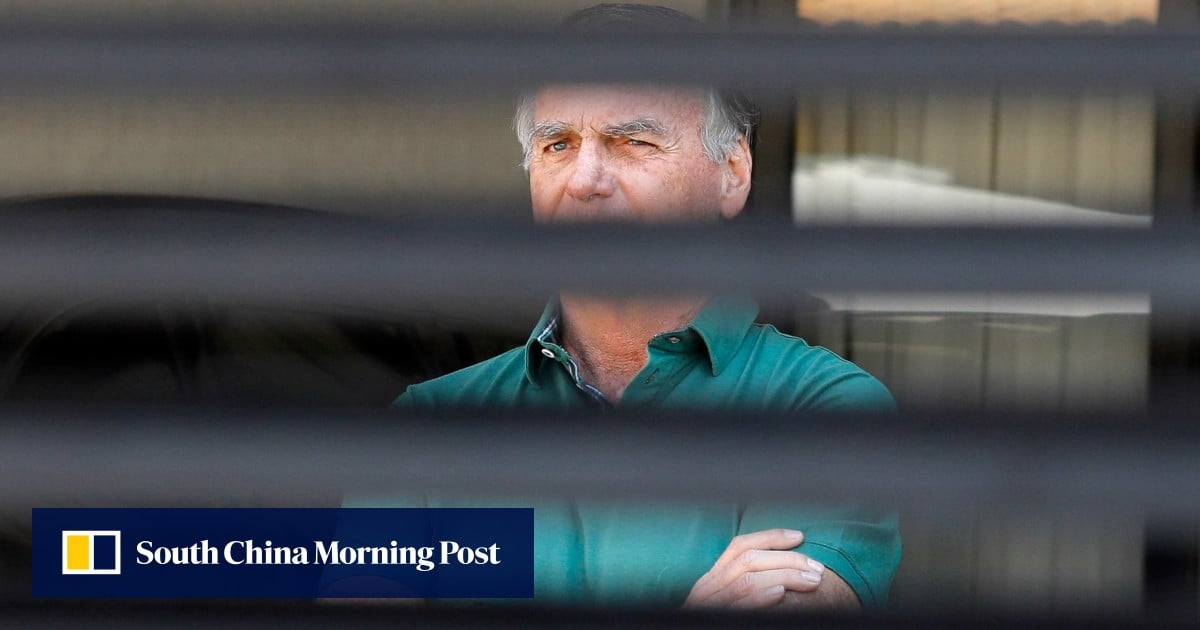
Bolsonaro Convicted: A Landmark Ruling and Its Global Repercussions
The political landscape in Brazil has been irrevocably altered. Former President Jair Bolsonaro has been convicted by a majority of Brazil’s Supreme Court of being part of a criminal organization – a stunning development in the ongoing investigation into an alleged coup plot. This marks the first time a former Brazilian president has been found guilty of attacking the nation’s democratic institutions. The implications are far-reaching, extending beyond Brazil’s borders and into the realm of international diplomacy.
This conviction centers around accusations that Bolsonaro actively worked to undermine the 2022 election results, fueling unrest and potentially inciting an insurrection. Understanding the context of this case requires delving into Bolsonaro’s history and the political climate of Brazil. He never concealed his admiration for the military dictatorship that ruled Brazil from 1964 to 1985,a period marked by human rights abuses and political repression.
The Verdict and Its Breakdown
As of September 11, 2025, three of the five justices on the Supreme Court panel have voted to convict Bolsonaro. One justice acquitted him, and the final vote remains outstanding. While not a unanimous decision, the majority ruling carries critically important weight. Justice Luiz Fux’s dissenting vote highlights the complexity of the case and the deeply polarized political environment in Brazil.
The charges stem from allegations that Bolsonaro and his allies attempted to orchestrate a scheme to overturn the election results, falsely claiming widespread voter fraud.this included spreading disinformation,pressuring electoral authorities,and potentially encouraging actions that led to the January 8th,2023 attacks on goverment buildings in Brasília.
International Fallout: A Transatlantic Dispute
The conviction has already triggered a strong reaction from the United States. Former US President Donald trump, a close ally of Bolsonaro, has vehemently denounced the case as a “witch hunt.” In response, the US has implemented a series of escalating measures, including:
* Tariff hikes on Brazilian imports.
* sanctions targeting the presiding judge of the Supreme Court.
* Revocation of visas for most members of Brazil’s high court.
These actions represent a significant escalation in tensions between the two countries and raise concerns about the potential for a broader trade war. According to a recent report by the Council on Foreign Relations (september 2025), the US-Brazil trade relationship is currently valued at over $100 billion annually, making the stakes exceptionally high. https://www.cfr.org/
This situation echoes similar condemnations of far-right leaders seen earlier this year in France (Marine Le Pen) and the Philippines (Rodrigo Duterte), though the US response in this case is notably more aggressive. The differing responses highlight the unique geopolitical dynamics at play.
Understanding the Alleged Coup Plot
The core of the case revolves around the accusation that Bolsonaro actively sought to destabilize Brazil’s democratic processes. Evidence presented to the court included:
* Secret meetings: Alleged clandestine gatherings with military officials to discuss strategies for contesting the election results.
* Disinformation campaigns: The widespread dissemination of false claims about the integrity of the electoral system.
* Incitement of violence: Rhetoric that allegedly encouraged supporters to take action against democratic institutions.
Experts in political instability and democratic backsliding (secondary keywords) point to a concerning trend of populist leaders attempting to undermine electoral processes globally.A study published by the V-Dem Institute in August 2025 found that levels of democracy are declining worldwide, with a significant increase in attempts to suppress dissent and manipulate elections. https://www.v-dem.net/
Worth a look