
Boosting Immunity as Spring Arrives: Protecting Against HPV
As spring brings warmer temperatures and increased outdoor activity, it also ushers in seasonal health challenges. With fluctuating temperatures and changes in routine, maintaining a robust immune system is crucial. Recent discussions highlight the importance of preventative health measures, particularly regarding the human papillomavirus (HPV). Whereas not directly linked as a primary concern of the spring season, maintaining overall health and a strong immune response can play a role in preventing HPV-related complications. This article will explore the significance of immune health, the risks associated with HPV, and preventative strategies to safeguard well-being.
The transition between seasons often disrupts established routines, potentially weakening the body’s defenses. This period of adjustment can make individuals more susceptible to various infections, emphasizing the need for proactive health management. Focusing on a balanced lifestyle, including a nutritious diet, regular exercise, and sufficient rest, is paramount in bolstering the immune system. The emphasis on preventative care extends to understanding and addressing the risks associated with HPV, a common viral infection that can lead to serious health issues.
Understanding HPV and its Impact
Human papillomavirus (HPV) is a group of more than 200 related viruses, some of which are transmitted through sexual contact. According to the Centers for Disease Control and Prevention (CDC), HPV is so common that nearly everyone will obtain it at some point in their lives. CDC. Most HPV infections clear up on their own, but persistent infections can cause a variety of cancers, including cervical, anal, oropharyngeal (back of the throat, including base of the tongue and tonsils), vaginal, vulvar, and penile cancers.
Cervical cancer is the most well-known cancer linked to HPV. The CDC estimates that nearly all cervical cancers are caused by HPV. CDC. However, the impact of HPV extends beyond cervical cancer, with increasing rates of oropharyngeal cancers linked to the virus, particularly among men. This rise is attributed to changes in sexual behavior and increased oral sexual contact.
HPV Vaccination: A Key Preventative Measure
The most effective way to protect against HPV-related cancers and diseases is vaccination. The HPV vaccine is recommended for both boys and girls, ideally before they become sexually active. In South Korea, the National HPV Vaccination Program has been expanded to include adolescent boys, specifically those born between January 1, 2014, and December 31, 2014, with vaccinations beginning May 6, 2026. Korea Disease Control and Prevention Agency. Previously, the program focused on adolescent girls.
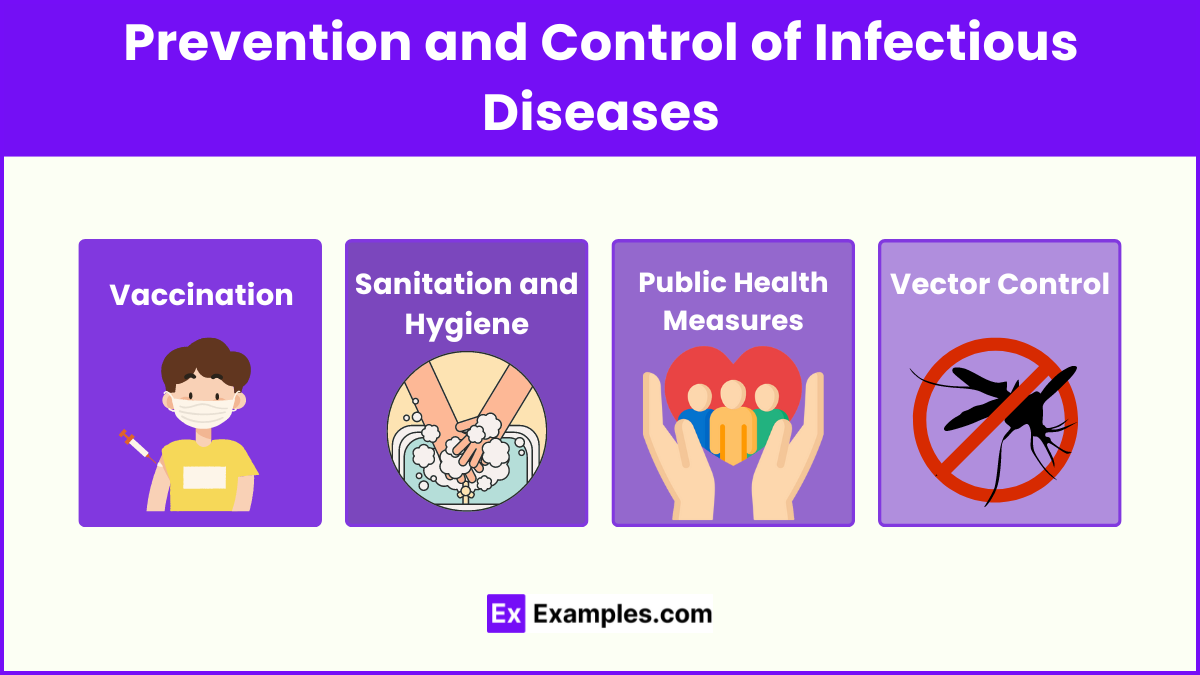
The HPV vaccine is available in several formulations, including the 9-valent vaccine, which protects against nine HPV types. It’s important to note that the 9-valent HPV vaccine is not currently supported by the national vaccination program in South Korea, with only the 4-valent vaccine being covered. The vaccine is most effective when administered before exposure to the virus, but it can still provide some benefit to individuals who have already been exposed.
Boosting Immunity: A Holistic Approach
While vaccination is a cornerstone of HPV prevention, maintaining a strong immune system is also vital. A healthy lifestyle can significantly enhance the body’s ability to fight off infections, including HPV. Key components of a robust immune system include:
- Nutrition: A diet rich in fruits, vegetables, and whole grains provides essential vitamins and minerals that support immune function. Focus on foods high in vitamin C, vitamin D, and antioxidants.
- Exercise: Regular physical activity improves circulation and helps immune cells move more efficiently throughout the body.
- Sleep: Adequate sleep is crucial for immune system restoration and function. Aim for 7-8 hours of quality sleep per night.
- Stress Management: Chronic stress can suppress the immune system. Practices like meditation, yoga, and deep breathing exercises can support manage stress levels.
avoiding smoking and limiting alcohol consumption can also contribute to a healthier immune system. These habits can weaken the body’s defenses and increase susceptibility to infections.
Addressing Concerns and Misinformation
Historically, there have been instances of misinformation surrounding HPV vaccines, leading to vaccine hesitancy. For example, a study published in Scientific Reports in 2018 that raised concerns about neurological damage following HPV vaccination was later retracted after it was found to have misrepresented the experimental conditions of an animal study. Korea Disease Control and Prevention Agency. It is crucial to rely on credible sources of information, such as the CDC, the World Health Organization (WHO), and reputable medical organizations, when making decisions about vaccination.
The WHO emphasizes the safety and efficacy of HPV vaccines, stating that they have been extensively studied and have a strong safety profile. World Health Organization. Addressing concerns with accurate information and open communication is essential to promote vaccine confidence and protect public health.
The Importance of Regular Check-ups
Regular medical check-ups, including screenings for HPV-related cancers, are vital for early detection and treatment. For women, regular Pap tests and HPV tests can identify precancerous changes in the cervix, allowing for timely intervention. Men should also discuss their risk factors for HPV-related cancers with their healthcare provider.
Early detection significantly improves treatment outcomes and reduces the risk of developing advanced cancer. Staying informed about recommended screening guidelines and adhering to a regular check-up schedule are crucial steps in maintaining optimal health.
Looking Ahead
The expansion of the HPV vaccination program in South Korea to include adolescent boys represents a significant step forward in preventing HPV-related cancers and diseases. Continued efforts to raise awareness about HPV, promote vaccination, and encourage healthy lifestyle choices are essential to protect the health of future generations. The next key date to watch for is the implementation of the expanded vaccination program on May 6, 2026, as well as ongoing monitoring of vaccination rates and HPV-related cancer incidence.
Protecting yourself and your loved ones from HPV requires a proactive approach that combines vaccination, a healthy lifestyle, and regular medical check-ups. By prioritizing preventative care and staying informed, we can collectively reduce the burden of HPV-related diseases and improve overall public health. Share your thoughts and experiences in the comments below, and let’s continue the conversation about HPV prevention.
Keep reading