African Athletes Seek Greater Support as Concerns Rise Over Talent Drain
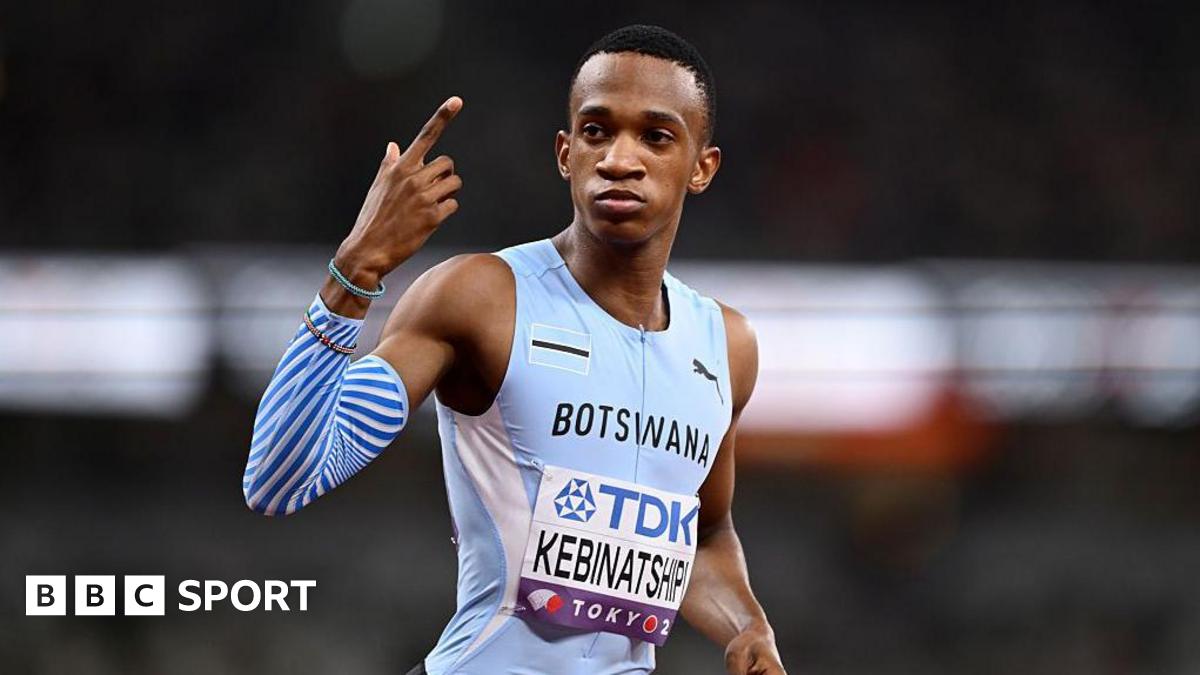
Lisbon, Portugal – Calls for increased support and protection for African athletes are gaining momentum, with Botswana’s Collen Kebinatshipi leading the charge. The athlete’s advocacy comes amid growing concerns about a “talent drain” from the continent, as promising sports figures seek opportunities and resources elsewhere. This issue extends beyond individual athlete welfare, impacting the potential for African nations to compete on the global stage and build sustainable sporting ecosystems.

Kebinatshipi’s remarks highlight a systemic challenge facing African athletics and other sports. While the continent consistently produces world-class athletes, many are hampered by a lack of adequate training facilities, financial backing, and consistent access to quality coaching and medical care. This disparity forces athletes to look beyond their home countries for environments where they can fully realize their potential, often leading to representation of other nations in international competitions. The loss of these athletes represents not only a missed opportunity for their countries of origin but also a potential weakening of the competitive landscape within African sports.
The situation is particularly acute in athletics, where African athletes have historically excelled. However, the allure of better resources and opportunities in Europe, North America, and the Middle East is proving difficult to resist. This trend isn’t limited to track and field; it’s observed across various disciplines, including football, basketball, and swimming. The underlying issue is a lack of investment in grassroots development and a failure to create sustainable pathways for athletes to thrive within their own countries.
The Challenges Facing African Athletes
The obstacles confronting African athletes are multifaceted. Limited funding for sports programs is a primary concern. Many African nations prioritize other sectors, such as healthcare and education, leaving sports under-resourced. This scarcity of funds impacts everything from the quality of training facilities to the availability of essential equipment and qualified personnel. World Athletics, the international governing body for track and field, has initiatives aimed at supporting development in Africa, but the scale of the challenge requires a more concerted and sustained effort.
Beyond financial constraints, inadequate infrastructure poses a significant hurdle. Many African countries lack modern training facilities, including well-equipped gyms, specialized tracks, and swimming pools. This deficiency puts athletes at a disadvantage compared to their counterparts in more developed nations. Access to quality medical care, including sports medicine specialists and rehabilitation services, is often limited, increasing the risk of injuries and hindering recovery.
Governance and administrative issues also contribute to the problem. Corruption, mismanagement, and a lack of transparency within some national sports federations can divert resources away from athletes and undermine development efforts. Strengthening governance structures and promoting accountability are crucial steps towards creating a more supportive environment for African athletes. The need for robust oversight and ethical leadership within these organizations is paramount to ensuring that resources are used effectively and that athletes’ interests are prioritized.
Kebinatshipi’s Call for Action
Collen Kebinatshipi, a prominent athlete from Botswana, has become a vocal advocate for change. While specific details of Kebinatshipi’s statements beyond the general call for support are not widely available in verified sources, his advocacy underscores the growing frustration among African athletes. He urges African federations to prioritize the needs of their athletes and create an environment where they can flourish without being forced to seek opportunities elsewhere. BotswanaSport, a national sports portal, frequently covers Kebinatshipi’s achievements and contributions to the nation’s athletic success.
Kebinatshipi’s call resonates with many athletes who feel that their potential is being stifled by a lack of support. He argues that African federations must invest in long-term development programs, provide adequate funding for training and competition, and ensure that athletes have access to the resources they need to succeed. This includes not only financial assistance but also mentorship, coaching, and educational opportunities.
The athlete’s advocacy also extends to the need for greater protection for African athletes from exploitation. Some athletes are vulnerable to unscrupulous agents and managers who may take advantage of their naiveté and lack of legal representation. Strengthening regulations and providing athletes with access to legal counsel are essential steps towards safeguarding their rights and ensuring fair treatment.
The Impact of Talent Drain
The exodus of talented athletes from Africa has far-reaching consequences. It deprives African nations of the opportunity to showcase their sporting prowess on the world stage and diminishes their chances of winning medals and gaining international recognition. The loss of these athletes also undermines the development of sports within their home countries, as it removes role models and mentors for aspiring young athletes.
the talent drain can have a negative impact on national pride and identity. Sports often play a significant role in fostering a sense of unity and national spirit. When athletes choose to represent other countries, it can be seen as a loss of national identity and a blow to morale. This is particularly sensitive in countries where sports are deeply ingrained in the culture and are seen as a source of national pride.
However, the situation is not entirely bleak. Some African athletes who compete for other nations continue to maintain strong ties to their home countries and contribute to the development of sports through charitable initiatives and mentorship programs. These athletes serve as ambassadors for their countries and support to promote a positive image of Africa on the global stage.
Potential Solutions and Future Outlook
Addressing the challenges facing African athletes requires a multi-pronged approach. Increased investment in sports infrastructure and development programs is essential. This includes building modern training facilities, providing access to quality equipment, and supporting grassroots initiatives that identify and nurture young talent. Governments, private sector companies, and international organizations all have a role to play in providing the necessary funding and resources.

Strengthening governance and promoting transparency within national sports federations are also crucial. This involves implementing robust oversight mechanisms, ensuring accountability, and combating corruption. Independent audits and regular evaluations can help to identify areas for improvement and ensure that resources are used effectively.
fostering partnerships between African sports federations and international organizations can provide access to expertise, training, and funding. Collaborative initiatives can help to develop sustainable development programs and create pathways for athletes to succeed. The International Olympic Committee (IOC) has various programs aimed at supporting sports development in Africa, and these initiatives should be expanded and strengthened.
Looking ahead, the future of African sports depends on the collective efforts of governments, federations, athletes, and the private sector. By prioritizing the needs of athletes, investing in development, and promoting good governance, African nations can create an environment where their sporting talent can flourish and compete successfully on the world stage. The continued advocacy of athletes like Collen Kebinatshipi will be vital in driving these changes and ensuring a brighter future for African sports.
Key Takeaways
- African athletes face significant challenges due to limited funding, inadequate infrastructure, and governance issues.
- The “talent drain” from Africa is a growing concern, as promising athletes seek opportunities elsewhere.
- Collen Kebinatshipi is advocating for greater support and protection for African athletes.
- Addressing these challenges requires a multi-pronged approach involving increased investment, improved governance, and international collaboration.
The coming months will be critical as African sports federations assess their strategies and implement reforms. Continued monitoring of athlete welfare and investment in grassroots programs will be key indicators of progress. We encourage readers to share their thoughts and experiences in the comments below.
Keep reading