
Registration for professional and non-professional exhibitors at the 2026 Braderie de Lille is now officially open, marking the start of preparations for one of the world’s largest flea markets. Held annually in the capital of the Hauts-de-France region, the event is scheduled to return with its traditional mix of street commerce, cultural festivities, and antique trading, according to the official portal of the City of Lille.
The Braderie de Lille serves as a cornerstone of the regional economy and cultural identity, drawing millions of visitors to the city center each year. While the event is renowned for its scale—often spanning over 100 kilometers of sidewalk space—it operates under strict municipal regulations regarding exhibitor eligibility, safety protocols, and waste management. Prospective participants must navigate the registration process through the city’s dedicated digital platform to secure a designated spot, as unauthorized vending is prohibited throughout the event footprint.
Understanding the Exhibitor Registration Process
The registration process for the Braderie de Lille is segmented to distinguish between private individuals, professional antique dealers, and local merchants. According to the City of Lille’s practical guidelines, individuals wishing to sell second-hand goods must provide specific identification and adhere to the “non-professional” status, which limits the frequency and nature of the items sold. Professional traders, conversely, are required to submit business registration documentation to occupy designated zones, such as the Boulevard de la Liberté or the Esplanade.
The city enforces a deadline-driven application system. By centralizing registration, organizers aim to manage the density of the crowds and ensure that emergency service corridors remain clear. Applicants are advised to review the official City of Lille website for the most recent updates on zoning maps and technical requirements, as these parameters may be adjusted based on security assessments conducted by the Prefecture of the North.
Economic and Cultural Impact of the Braderie
The Braderie de Lille is more than a commercial market; it is a significant driver of tourism for Northern France. Data from the Lille European Metropolis indicates that the event consistently generates substantial revenue for the hospitality and service sectors within the Hauts-de-France region. Visitors from across Europe travel to the city, contributing to high hotel occupancy rates and a surge in demand for local culinary staples, most notably the traditional “moules-frites” (mussels and fries).
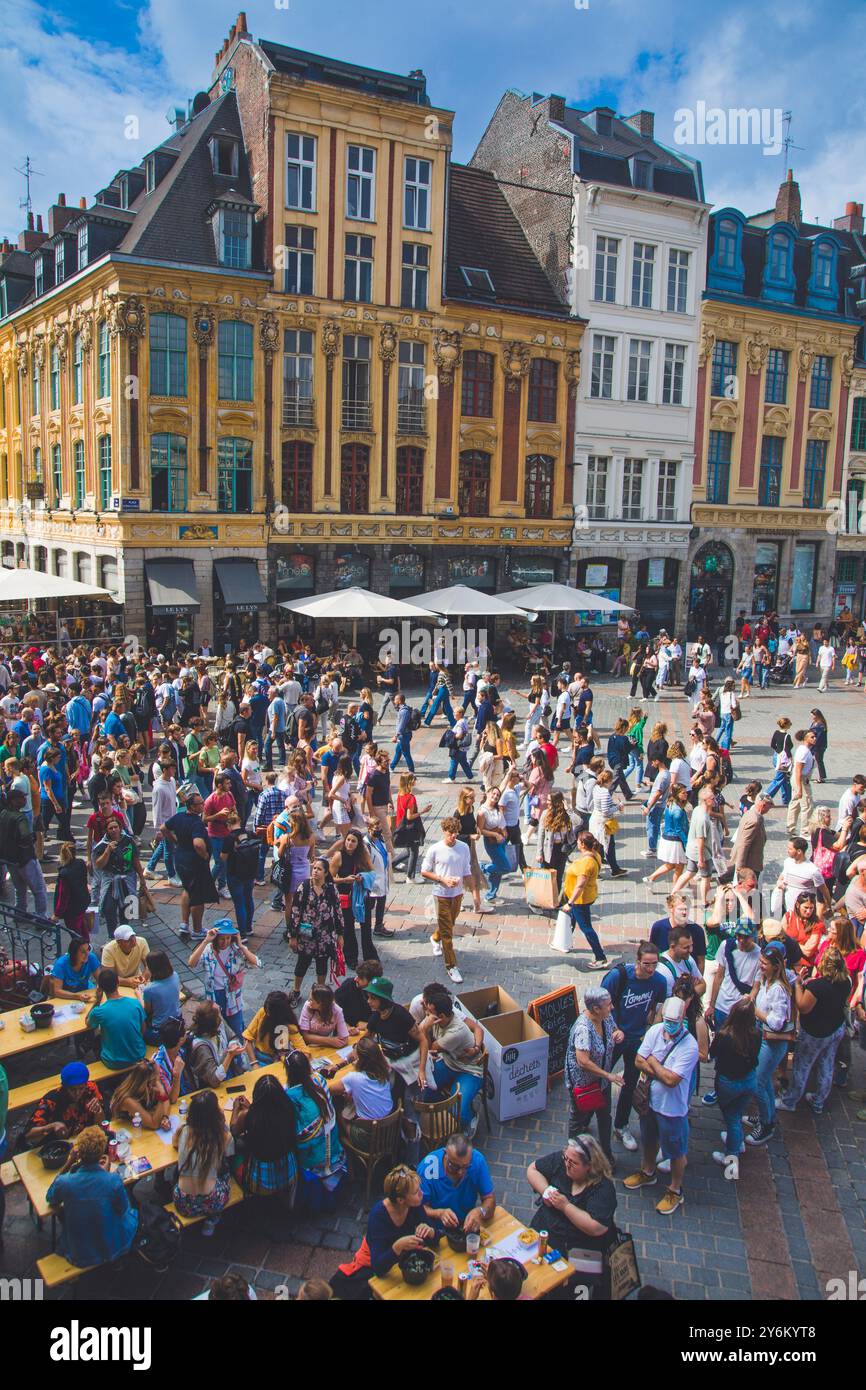
The scale of the event requires a massive logistical effort. Coordination between the municipal government, private security firms, and local law enforcement is essential to maintain order across the city’s various districts. As noted by regional authorities, the event’s sustainability initiatives—including large-scale waste collection and recycling efforts—are integrated into the planning phase to mitigate the environmental impact of the influx of visitors.
Safety and Security Protocols
Public safety remains the primary focus of the event organizers. The Prefecture of the North, in coordination with the Mayor of Lille, implements a comprehensive security perimeter that includes vehicle restrictions and increased police presence. Attendees and exhibitors are expected to comply with security checks, and the city provides regular updates on access points via its official communication channels.
Participants should note that regulations regarding the types of goods permitted for sale are strictly enforced. Prohibited items, including new merchandise sold by non-professionals, are subject to confiscation. For those planning to attend, staying informed through verified municipal sources is the most effective way to ensure a smooth experience during the weekend of the festivities.
What Happens Next?
The next phase of the 2026 event cycle involves the confirmation of exhibitor slots and the finalization of the security plan by the municipal council. The City of Lille will continue to release periodic updates regarding traffic modifications, public transport adjustments, and the specific event schedule as the date approaches. Potential exhibitors are encouraged to monitor the official municipal registration page regularly to ensure they meet all submission deadlines and documentation requirements.
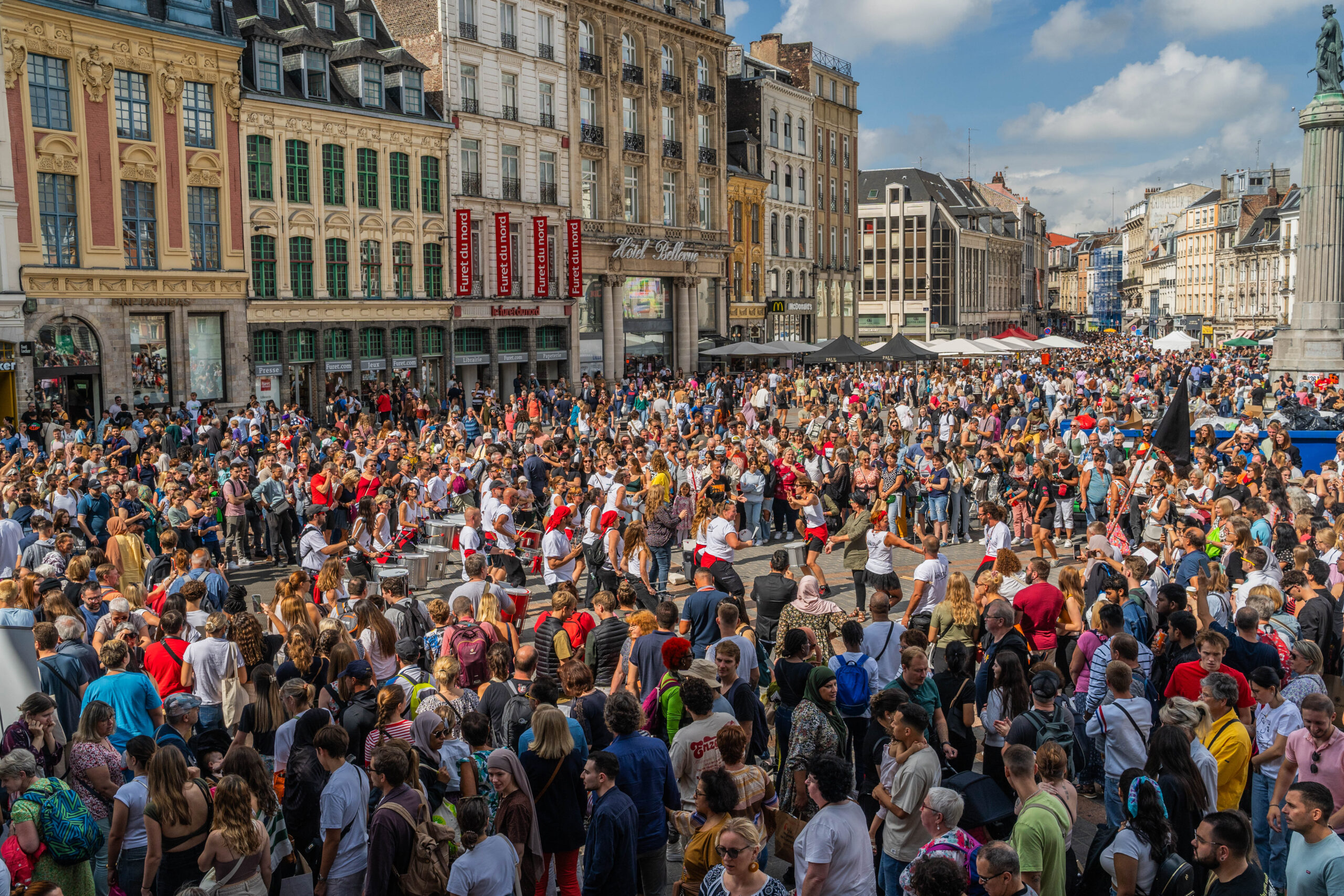
As the planning phase progresses, residents and visitors alike are encouraged to engage with local updates to prepare for the logistical changes that accompany such a large-scale event. We invite readers to share their questions or experiences regarding the Braderie in the comments section below.
Keep reading