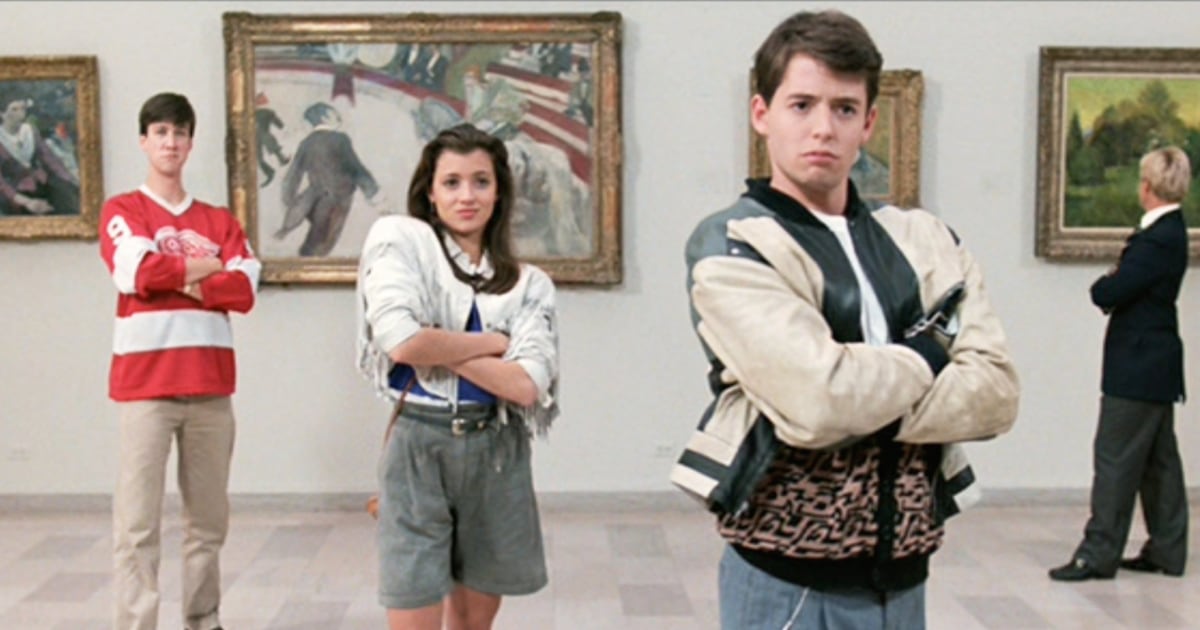
As the 40th anniversary of the 1986 cinematic classic Ferris Bueller’s Day Off approaches, a new book is providing fans with a deeper understanding of the film’s production and its enduring influence on pop culture. Written by Scott Ryan, The Ferris Bueller’s Day Off Movie Companion explores the behind-the-scenes dynamics and thematic resonance of the John Hughes-directed comedy that solidified Matthew Broderick’s status as a generational icon.
The film, which premiered in U.S. theaters on June 11, 1986, remains a cultural touchstone for its depiction of teenage rebellion and the suburban malaise of the mid-1980s, according to records from the American Film Institute. Ryan’s work arrives as audiences continue to revisit the story of a high school senior who fakes an illness to spend a day exploring Chicago with his girlfriend and best friend.
Historical Context and Production Legacy
John Hughes, who wrote and directed the film, was already a prominent figure in 1980s cinema, having previously directed Sixteen Candles and The Breakfast Club. According to the Library of Congress, which selected the film for preservation in the National Film Registry in 2014, the movie captured a specific moment in American youth culture. The production was filmed on location in Chicago, featuring iconic landmarks such as the Art Institute of Chicago and the Willis Tower, then known as the Sears Tower.
In his research for the book, Ryan focuses on the collaborative effort between Hughes and his cast. The film’s budget was approximately $5.8 million, a relatively modest sum that yielded a significant return, grossing over $70 million at the domestic box office during its initial run, as reported by The Numbers. This financial success helped cement the “teen movie” genre as a viable and highly profitable category for major studios throughout the late 1980s.
Understanding the Character of Ferris Bueller
A central theme in the new analysis is the interpretation of the titular character. While Ferris Bueller is often remembered as a carefree spirit, some critics and fans have engaged in long-standing debates regarding whether he is a genuine hero or a more complex, manipulative figure. Ryan’s book examines how the character’s “fourth wall” breaks—where he speaks directly to the audience—functioned as a narrative device that was ahead of its time, fostering a sense of intimacy between the protagonist and the viewer.
The film’s supporting cast, including Alan Ruck as Cameron Frye and Mia Sara as Sloane Peterson, provided the emotional grounding necessary to balance Ferris’s high-energy antics. Ruck’s portrayal of Cameron’s anxiety and familial conflict is frequently cited by film historians as the emotional anchor of the movie, offering a counterpoint to the titular character’s seemingly boundless confidence.
Impact on Modern Cinema
The influence of Ferris Bueller’s Day Off extends beyond its initial release. Its narrative structure—a series of episodic adventures occurring within a single 24-hour period—has been emulated in numerous comedies since. Scholars often point to the film’s unique blend of slapstick humor and existential questioning as a blueprint for later “coming-of-age” stories. According to the Academy of Motion Picture Arts and Sciences archives, the film’s lasting legacy is also tied to its soundtrack, which introduced a wide audience to a diverse range of music, from Yello’s “Oh Yeah” to The Beatles’ “Twist and Shout.”
For fans looking to revisit the film, the 40th anniversary in 2026 is expected to prompt a wave of retrospectives, screenings, and expanded home media releases. While no official studio-led celebratory events have been announced as of mid-2024, the continued interest in the film’s production history suggests that the cultural conversation surrounding Hughes’s work remains active.
Frequently Asked Questions
When was Ferris Bueller’s Day Off released?
The film was released in the United States on June 11, 1986.

Who directed the movie?
The film was written and directed by John Hughes, who was known for his significant contributions to 1980s teen cinema.
Why is the film considered culturally significant?
In 2014, it was selected for inclusion in the National Film Registry by the Library of Congress for being “culturally, historically, or aesthetically significant.”
Readers interested in the evolution of 1980s cinema can find further information on the preservation efforts at the National Film Preservation Board website. Share your memories of the film in the comments section below.
Related reading