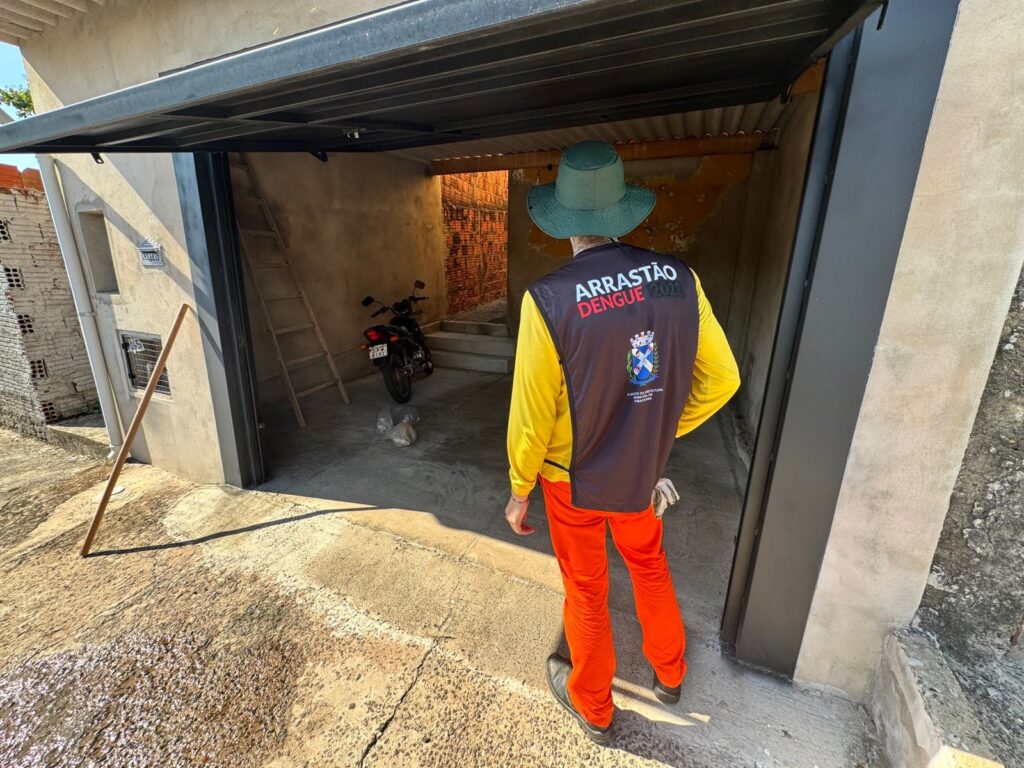
Municipal health authorities in Piracicaba are mobilizing community-led vector control efforts to curb the rising incidence of mosquito-borne diseases. As part of a broader public health strategy, the city has scheduled a specialized “Arrastão contra a Dengue”—a coordinated neighborhood cleanup operation—for the Vila Industrial region this Saturday, July 18. This initiative is designed to identify and eliminate potential breeding sites for the Aedes aegypti mosquito, the primary vector for dengue, chikungunya, and Zika viruses.
According to official data from the Piracicaba Municipal Government, these intensified cleanup cycles are recurring efforts aimed at reducing the vector population in high-risk zones. The program follows a similar intervention conducted in the Bosques do Lenheiro district on July 11. By physically removing standing water and discarded containers from residential properties, public health teams seek to lower the risk of local viral transmission during the current season.
Public Health Strategy and Vector Control
The “Arrastão” model functions as an active surveillance and mitigation tool. During these events, municipal agents visit homes to inspect yards and common areas for stagnant water, which serves as a larval development site for mosquitoes. Residents are encouraged to dispose of items that can accumulate water, such as old tires, plastic bottles, and uncovered pots, which are then collected by municipal waste management teams.
The urgency of these actions is underscored by the epidemiological situation in various Brazilian municipalities. In regions such as São Miguel dos Campos, local authorities have reported significant pressure on healthcare systems, with cumulative case counts for dengue and chikungunya exceeding 600, as noted in reports from the AlagoasWeb news service. These figures highlight the necessity of sustained community involvement, as the majority of mosquito breeding sites are found within private residential premises.
Community Participation and Preventive Measures
Public health experts emphasize that community participation is the most effective defense against outbreaks. While chemical fogging (fumigation) is sometimes used to control adult mosquito populations, it does not address the source of the infestation. Environmental management—the physical destruction of breeding habitats—remains the gold standard for long-term control.
The Piracicaba Municipal Government provides specific guidelines for residents to maintain their homes throughout the year:
- Ensure all water storage containers, including tanks and barrels, are tightly sealed.
- Fill plant saucer plates with sand to prevent water accumulation.
- Keep gutters clean and free of debris to ensure proper drainage.
- Properly dispose of all non-essential plastic and metal waste that could hold water.
For residents in the Vila Industrial region, the upcoming July 18 operation serves as a critical opportunity to clear out large items that cannot be handled through regular weekly waste collection. Official updates regarding specific street routes and collection times are published periodically through the city’s official portal. Citizens are encouraged to monitor these channels for any changes to the schedule due to weather conditions or logistical adjustments.
Monitoring the Impact of Mosquito-borne Diseases
Dengue fever remains a persistent public health challenge in tropical and subtropical urban environments. Symptoms typically include high fever, severe headache, muscle and joint pain, and skin rashes. In severe cases, the disease can progress to hemorrhagic fever, requiring immediate medical intervention. Because there is no specific antiviral treatment for dengue, clinical management focuses on supportive care, such as hydration and pain management.
Health departments across Brazil, including municipal bodies in the state of Alagoas, have been intensifying these multi-pronged responses to manage the surge in cases, as reported by the Jornal Extra de Alagoas. The effectiveness of these measures is measured by the reduction in the “Breteau Index,” a metric used by entomologists to determine the percentage of houses infested with larvae in a given area.
As the July 18 operation proceeds, residents are advised to cooperate fully with municipal agents, who are tasked with both inspection and community education. The next phase of these cleanup efforts will be announced by municipal health secretariats based on real-time epidemiological monitoring and neighborhood risk assessments. For further information or to report potential breeding hotspots, residents should contact their local municipal health authority directly through the official city website.
Worth a look
- New Law on Sick Leave and Reflection Periods: Everything You Need to Know
- How Inflation is Changing Patient Payment Behavior: Strategies for Revenue Cycle Success
- WHO Alarmed as Ebola Outbreak Surges in Congo With Over 2,000 Cases (world-today-news.com)
- Congo Ebola Deaths Soar Past 700, Outbreak Spreads Uncontrollably (time.news)