
For decades, the primary challenge in regenerative medicine has been delivery. While scientists have developed sophisticated materials capable of repairing damaged organs, getting those materials to the exact site of injury often required invasive surgeries or direct, high-risk injections into the organ itself. A new development in regenerative engineering is now challenging that paradigm, offering a way to heal the body from the inside out.
Researchers at the University of California San Diego have developed an injectable biomaterial for tissue repair that can be delivered intravenously, traveling through the bloodstream to target and treat damaged tissues. By reducing inflammation and promoting cellular repair, this hydrogel-based approach could fundamentally change how clinicians treat the aftermath of severe cardiac events and other inflammation-driven conditions.
The significance of this breakthrough lies in its delivery mechanism. Traditionally, therapies designed to repair the heart required direct injection into the cardiac muscle, a process that is both invasive and difficult to distribute evenly. This new biomaterial, however, is designed to be administered via a standard IV, allowing it to spread more uniformly throughout the affected area and act quickly to stabilize damaged tissue.
As a physician, I have seen the long-term struggle of patients recovering from myocardial infarctions. When heart tissue dies during a heart attack, the body replaces it with scar tissue. While this prevents the heart wall from rupturing, the scar tissue does not contract, which diminishes overall muscle function and frequently leads to congestive heart failure. The ability to intervene intravenously to mitigate this scarring could represent a major shift in cardiovascular care.
The Science of “Inside-Out” Healing
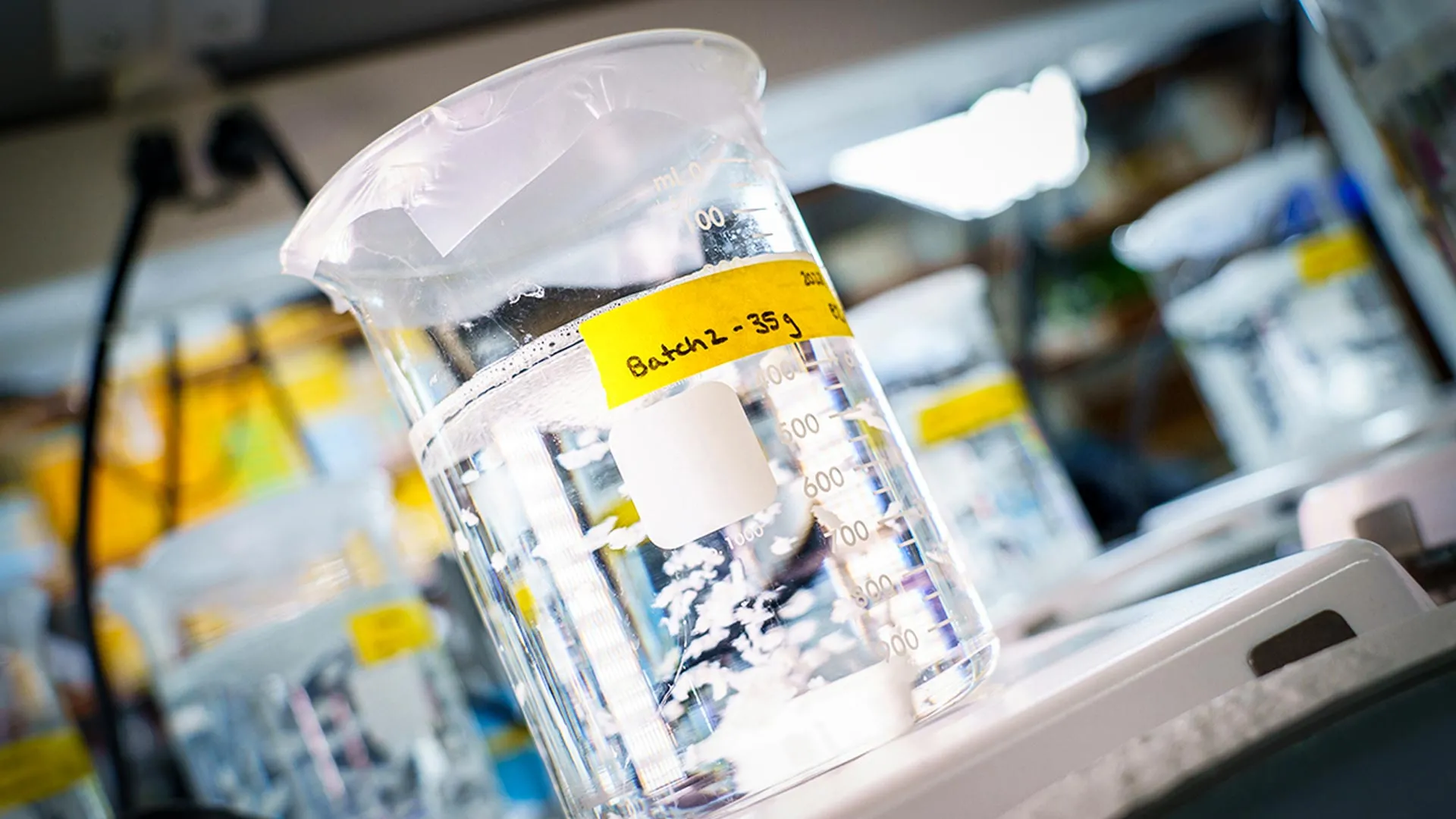
The biomaterial is based on a specialized hydrogel developed by a multidisciplinary team of bioengineers and physicians. According to research published in Nature Biomedical Engineering, the material is designed to navigate the circulatory system and lodge within the damaged tissue, where it works to calm the inflammatory response that typically follows an injury.
Inflammation is a necessary part of the healing process, but when it becomes chronic or excessive, it prevents the body from effectively regenerating functional tissue. The UC San Diego biomaterial acts as a scaffold and a modulator, jumpstarting the healing process by creating an environment conducive to cell repair rather than scar formation.
Karen Christman, a professor of bioengineering at the University of California San Diego and the lead researcher on the project, described the technology as a new approach to regenerative engineering, noting that the material allows for the treatment of damaged tissue from the inside out.
Beyond the Heart: Expanding Clinical Applications
While the primary focus of the research has been on cardiac repair, the implications of this technology extend far beyond the heart. In animal studies, the biomaterial proved effective in treating tissue damage caused by heart attacks in both rodent and large animal models. However, the team also provided proof of concept in rodent models for other critical conditions.
Two other areas showing promise include:
- Traumatic Brain Injury (TBI): The ability to deliver anti-inflammatory biomaterials to the brain via the bloodstream could offer a less invasive way to treat swelling and tissue degradation following a head injury.
- Pulmonary Arterial Hypertension: By targeting the blood vessels in the lungs, the material may help repair damaged vascular tissue and improve oxygen exchange.
The versatility of the hydrogel suggests that any condition driven by acute inflammation and subsequent tissue loss could potentially be a candidate for this type of therapy. This opens the door for a broader category of “systemic regenerative therapies” where the bloodstream serves as the highway to the site of injury.
The Road to Human Clinical Trials
Despite the promising results in animal models, the transition to human medicine requires rigorous safety and efficacy testing. The research team, which includes first author Martin Spang, has focused on ensuring the biomaterial is biocompatible and does not cause adverse reactions as it travels through the bloodstream.
The scale of the need is immense. In the United States alone, there are an estimated 785,000 new heart attack cases each year, and there is currently no established treatment specifically designed to repair the resulting damage to cardiac tissue once the initial event has occurred.
At the time of the findings’ report, Professor Christman indicated that a study to test the safety and effectiveness of the biomaterial in human subjects could potentially begin within one to two years. These trials will be critical in determining if the “inside-out” healing observed in animals translates to human physiology and whether the intravenous delivery remains as effective in larger, more complex human circulatory systems.
What This Means for the Future of Medicine
From a public health perspective, the move toward minimally invasive regenerative medicine is a vital step. Reducing the need for open-chest surgeries or direct organ injections lowers the risk of complications, reduces hospital stay durations, and makes advanced regenerative therapies accessible to a wider range of patients, including those too frail for major surgery.
The integration of bioengineering and clinical medicine seen in this project reflects a growing trend toward “precision biomaterials”—substances that are not just passive fillers but active participants in the biological healing process. If successful in human trials, this technology could shift the goal of post-heart attack care from simply managing heart failure to actively restoring heart function.
The next confirmed milestone for this research will be the initiation of human safety and efficacy trials. While a specific start date has not been finalized, the progression from rodent to large animal models suggests the technology is moving steadily toward clinical application.
Do you believe minimally invasive biomaterials will replace traditional surgical repairs in the next decade? Share your thoughts in the comments below or share this article with your professional network.