
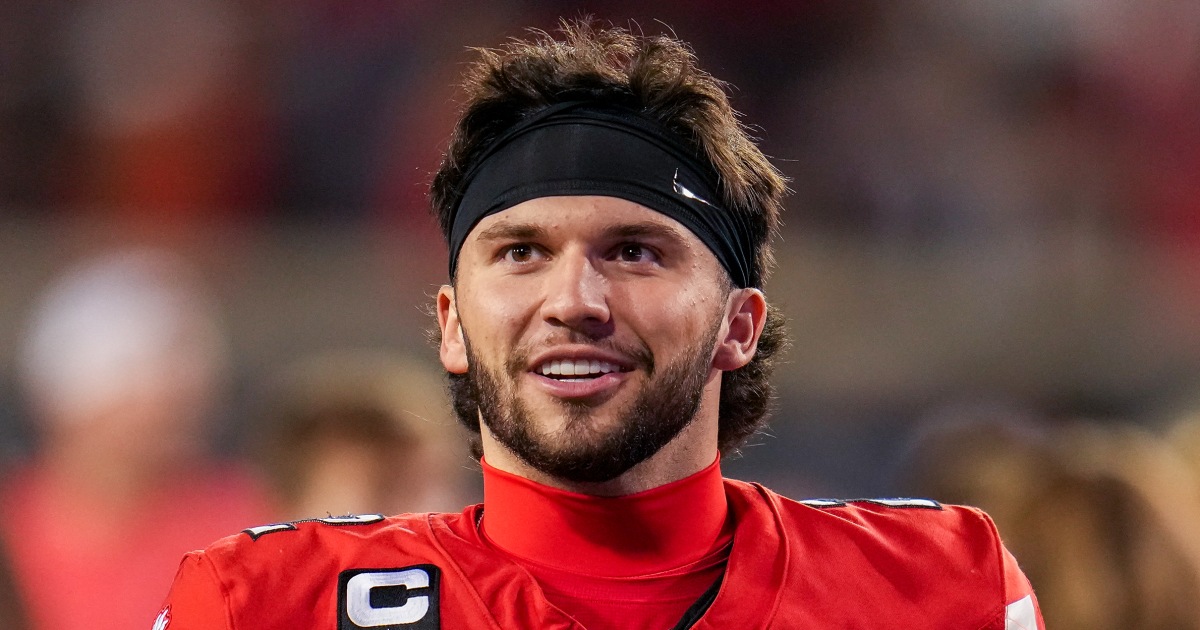
Texas Tech Quarterback Brendan Sorsby Enters Treatment for Gambling Addiction
Texas Tech University has confirmed that quarterback Brendan Sorsby has entered a residential treatment program to address a gambling addiction, marking a rare public acknowledgment of a growing issue in college athletics. The announcement, made on Monday, April 27, 2026, comes as Sorsby prepares for his first season with the Red Raiders after a high-profile transfer from the University of Cincinnati earlier this year. The move underscores the increasing scrutiny on student-athletes and the pressures they face, both on and off the field.

Sorsby, a Texas native who began his college career at Indiana University before transferring to Cincinnati in 2024, has been one of the most talked-about quarterbacks in the NCAA transfer portal. His decision to enter treatment was confirmed by Texas Tech officials, though details about the program’s duration or specific treatment plans remain undisclosed. The university has not commented on whether Sorsby’s participation in the upcoming season will be affected, but sources close to the program indicate that his recovery will be prioritized over athletic commitments.
Gambling addiction among athletes has become a pressing concern in recent years, particularly as sports betting has expanded across the United States. According to the National Council on Problem Gambling, approximately 6% of college students in the U.S. Struggle with gambling-related issues, a rate higher than that of the general population. The NCAA has similarly reported a rise in gambling violations among student-athletes, prompting stricter enforcement of its policies and increased educational efforts.
A Career Defined by Talent and Turmoil
Brendan Sorsby’s journey to Texas Tech has been anything but conventional. After redshirting his first year at Indiana in 2022, he emerged as the Hoosiers’ starting quarterback in 2023, throwing for over 2,500 yards and 15 touchdowns in his redshirt freshman season. However, his relationship with the program soured following the hiring of head coach Curt Cignetti in December 2023. Sorsby entered the transfer portal shortly after, ultimately landing at Cincinnati, where he became the Bearcats’ starter in 2024.
At Cincinnati, Sorsby’s performance on the field was strong enough to draw NFL interest. In December 2025, he received feedback from scouts suggesting he could be a Day 2 pick in the 2026 NFL Draft. However, he ultimately decided to return to college football, entering the transfer portal for a second time. His recruitment became one of the most competitive of the offseason, with Texas Tech, Indiana, LSU, and Miami all vying for his commitment. Texas Tech, in demand of a quarterback following Will Hammond’s season-ending ACL injury in October 2025, ultimately secured Sorsby’s signature in February 2026.
Sorsby’s transfer to Texas Tech was not without controversy. The University of Cincinnati filed a lawsuit against him in February 2026, alleging that he breached a multi-year name, image, and likeness (NIL) revenue-sharing agreement by refusing to pay a $1 million exit fee. Cincinnati claimed that Sorsby had signed a deal worth $875,800 for the 2025 season but violated its terms by transferring. Sorsby’s agent, Ron Slavin of LIFT Sports Management, countered that the transfer was mutually agreed upon and that the $1 million demand was an “unlawful penalty” under Ohio law. The case remains unresolved, adding another layer of complexity to Sorsby’s already tumultuous college career.
The Rise of Gambling Addiction in College Athletics
Sorsby’s decision to seek treatment for gambling addiction highlights a growing crisis in college sports. The legalization of sports betting in more than 30 U.S. States has made gambling more accessible than ever, particularly for young adults. A 2025 study by the NCAA found that 24% of male student-athletes reported engaging in sports betting, with 6% admitting to betting on games involving their own teams—a direct violation of NCAA rules. The study also noted that student-athletes are more likely to develop gambling problems than their non-athlete peers, citing factors such as competitive pressure, financial stress, and the normalization of betting culture.
The NCAA has taken steps to address the issue, including partnering with the National Council on Problem Gambling to provide educational resources and confidential helplines for athletes. However, critics argue that these measures are insufficient, particularly as sportsbooks continue to target college-aged audiences with aggressive marketing campaigns. In 2024, the NCAA banned all sports betting advertisements during its championships, but the policy does not extend to regular-season games or third-party broadcasts.
For Sorsby, the path to recovery will likely involve a combination of therapy, financial counseling, and support from Texas Tech’s athletic department. The university has not released details about the specific treatment program he is entering, but residential programs for gambling addiction typically last between 30 and 90 days and focus on cognitive behavioral therapy, financial management, and relapse prevention. Texas Tech has a history of supporting student-athletes through personal challenges, including mental health struggles, and has pledged to provide Sorsby with the resources he needs to return to the field when he is ready.
What’s Next for Sorsby and Texas Tech?
Sorsby’s immediate future remains uncertain. While Texas Tech has not indicated whether he will be available for the 2026 season, his recovery will take precedence over football. The Red Raiders, who finished the 2025 season with a 6-6 record, were counting on Sorsby to stabilize their offense after Hammond’s injury. His absence could force the team to rely on younger, less experienced quarterbacks, potentially impacting their Big 12 title aspirations.

Off the field, the legal battle with Cincinnati looms large. The lawsuit, which seeks $1 million in damages, could set a precedent for how NIL contracts are enforced in the transfer portal era. If Cincinnati prevails, it could embolden other schools to pursue similar claims against departing athletes, further complicating an already contentious landscape. Conversely, if Sorsby’s legal team successfully argues that the exit fee is unenforceable, it could weaken the leverage schools have in retaining players under NIL agreements.
For now, the focus remains on Sorsby’s health. Gambling addiction is a treatable condition, but recovery is often a long and hard process. His decision to enter treatment publicly is a rare step in an industry where athletes are often pressured to hide their struggles. If successful, his journey could serve as a model for other athletes facing similar challenges, demonstrating that seeking assist is not a sign of weakness but a necessary step toward long-term well-being.
Key Takeaways
- Public Acknowledgment: Brendan Sorsby’s entry into a residential treatment program for gambling addiction is one of the few public admissions of such a struggle by a high-profile college athlete.
- Growing Crisis: Gambling addiction among student-athletes is on the rise, with the NCAA reporting that 24% of male athletes have engaged in sports betting, and 6% have bet on their own teams.
- Legal Battle: Sorsby is currently embroiled in a lawsuit with the University of Cincinnati, which is seeking $1 million in damages for an alleged breach of his NIL contract.
- Impact on Texas Tech: Sorsby’s absence could affect the Red Raiders’ 2026 season, as the team was relying on him to lead the offense following Will Hammond’s injury.
- Broader Implications: The outcome of the Cincinnati lawsuit could set a precedent for how NIL contracts are enforced in the transfer portal era, potentially reshaping the landscape of college athletics.
What Happens Next?
The next major development in this story will likely come from the legal proceedings between Sorsby and the University of Cincinnati. A court date has not yet been set, but both parties are expected to file motions in the coming weeks. Meanwhile, Texas Tech has not provided a timeline for Sorsby’s return to football, though updates on his treatment progress may be released as they become available.
For those affected by gambling addiction, resources are available through the National Council on Problem Gambling and the NCAA’s sports wagering helpline. If you or someone you know is struggling, confidential support is just a call or click away.
We will continue to follow this story as it develops. Share your thoughts in the comments below, and stay tuned for updates on Brendan Sorsby’s recovery and the legal battle with Cincinnati.