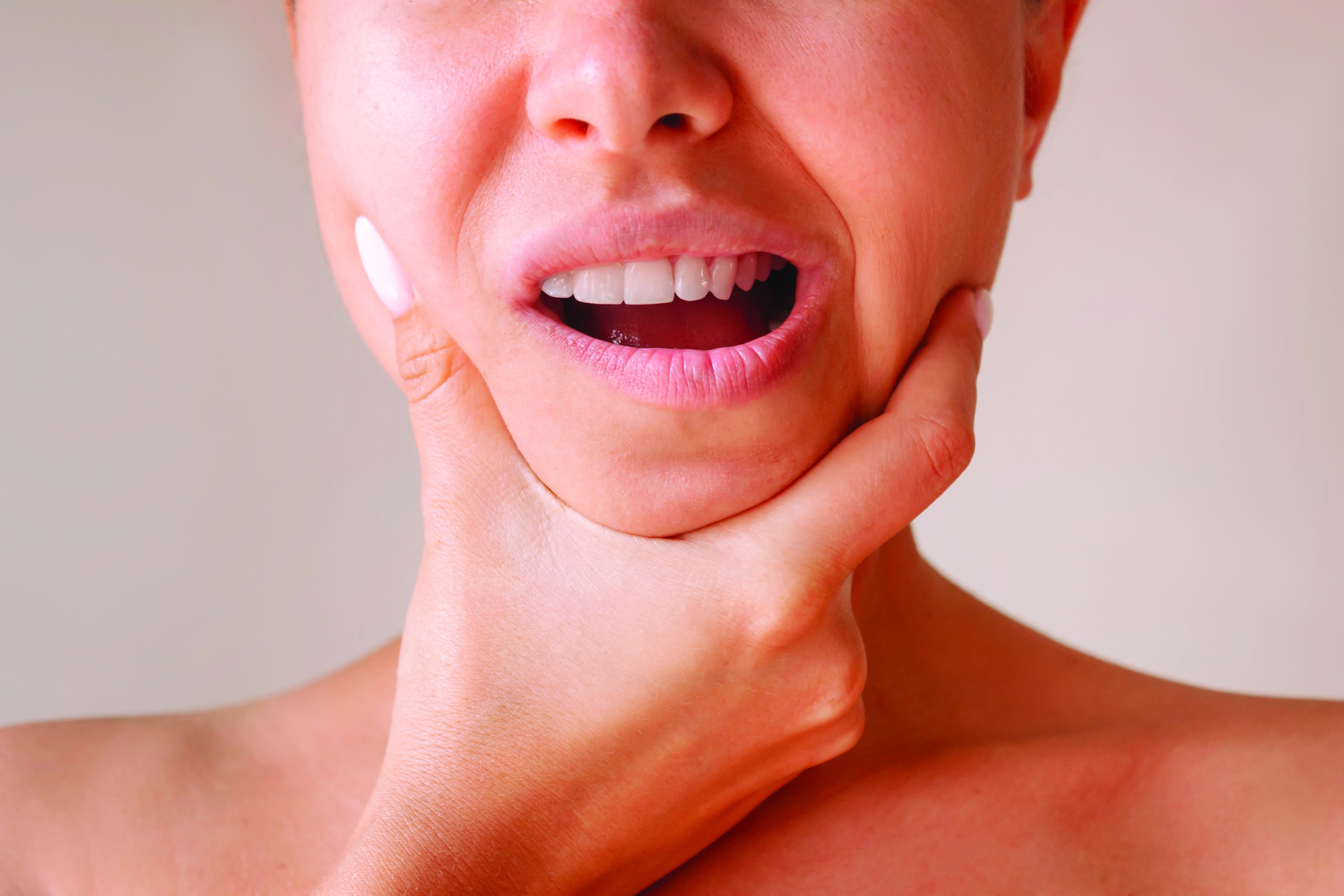
The unconscious grinding or clenching of teeth, known as bruxism, is a surprisingly common condition affecting an estimated 10 to 15% of the population, including children. Whereas often unnoticed by those who experience it, bruxism can lead to a range of dental and health problems, from tooth wear and jaw pain to headaches and even sleep disturbances. Understanding the causes, symptoms, and available treatments is crucial for protecting your oral health and overall well-being. This article will delve into the complexities of bruxism, providing a comprehensive overview of this often-overlooked condition.
Bruxism isn’t simply a dental issue; it’s frequently linked to stress, anxiety, and sleep disorders. The repetitive motion can exert significant force on the teeth and jaw, leading to long-term damage if left unaddressed. Early detection, often through routine dental check-ups, is key to preventing severe complications. The impact extends beyond just dental health, potentially affecting quality of life through chronic pain and related symptoms. Addressing bruxism often requires a multi-faceted approach, combining dental interventions with stress management techniques.
The term “bruxism” encompasses a variety of oral parafunctional activities – meaning movements that aren’t related to normal functions like chewing or speaking. These can include tightly clenching the jaw, grinding teeth together, or even forcefully pressing the tongue against the teeth. While many people associate bruxism with nighttime activity, it can occur during waking hours as well. In fact, many individuals are unaware they clench or grind their teeth until a dentist identifies signs of wear or damage. The French dental association, the UFSBD, highlights the importance of regular dental examinations for early detection of this often-silent condition.
Understanding the Signs and Symptoms of Bruxism
Often, the first indication of bruxism comes from a dentist during a routine examination. The pressure and repetitive movements can cause noticeable wear on the teeth, leading to the loss of enamel, dentin, and in severe cases, even the pulp. This wear can manifest as flattened, chipped, or fractured teeth. Increased sensitivity to hot and cold is another common symptom, as the enamel wears away, exposing the underlying dentin. Gum recession and damage to the temporomandibular joint (TMJ) are similarly potential consequences. The UFSBD notes that bruxism can also lead to damage to dental prosthetics.
Beyond the direct effects on the teeth and jaw, bruxism can trigger a cascade of other symptoms. These include headaches, facial pain, and discomfort in the jaw muscles, and neck. Some individuals experience earaches, even without an ear infection. Chronic bruxism can also contribute to infections, gum problems (though not necessarily periodontitis), and difficulties with chewing. The constant muscle tension can lead to fatigue and soreness in the jaw, making everyday activities like eating and speaking uncomfortable.
What Causes Bruxism? Unraveling the Contributing Factors
While the exact causes of bruxism are often complex and multifactorial, two primary factors are frequently identified: malocclusion – a misalignment of the teeth that prevents proper bite alignment – and psychological stress. Malocclusion creates an uncomfortable bite, prompting the jaw to move in an attempt to find a more comfortable position. This subconscious adjustment can lead to grinding or clenching. Stress, whether physical or emotional, is another significant contributor, often manifesting as jaw clenching or grinding, particularly during sleep.
It’s important to note that bruxism isn’t always directly linked to these factors. In some cases, it can be associated with neurological disorders. Certain medications can also contribute to bruxism as a side effect. Lifestyle factors, such as tobacco and alcohol consumption, and underlying sleep disorders, like sleep apnea, are also considered risk factors. The interplay between these factors can produce it challenging to pinpoint a single cause, highlighting the require for a comprehensive evaluation by a healthcare professional.
Treatment Options: Managing Bruxism and Protecting Your Teeth
Currently, there is no cure for bruxism itself, but a variety of treatments can effectively manage its consequences and prevent further damage. The most common approach involves the leverage of occlusal splints, often referred to as “night guards.” These custom-fitted mouthpieces are worn during sleep to protect the teeth from grinding and clenching. They act as a cushion, distributing the forces and preventing direct contact between the upper and lower teeth. Night guards also help to relax the jaw muscles and reduce tension in the temporomandibular joint.
Beyond night guards, behavioral therapies can play a crucial role in managing bruxism, particularly when stress is a contributing factor. Techniques such as relaxation exercises, meditation, and sophrology can help reduce overall stress levels and minimize jaw clenching. In cases of significant tooth damage, restorative dental work, such as crowns or fillings, may be necessary to repair the affected teeth. For severe pain, injections of botulinum toxin (Botox) into the jaw muscles can temporarily relieve tension and reduce grinding. When bruxism is linked to malocclusion, orthodontic treatment may be recommended to correct the bite alignment.
For children under the age of seven who exhibit signs of bruxism, such as wear on their baby teeth, the prognosis is generally good. Dental professionals often advise that this phenomenon typically resolves once the permanent molars erupt and become functional. However, it’s still important to monitor the situation and consult with a dentist if the grinding persists or causes concern.
Risk Factors and Prevention Strategies
Several factors can increase your susceptibility to bruxism. These include sleep disorders, such as sleep apnea, which can trigger arousal responses that lead to teeth grinding. The consumption of tobacco and alcohol has also been linked to an increased risk. A misaligned bite or jaw position can contribute to the problem, as can certain medications. Understanding these risk factors can help you seize proactive steps to prevent or minimize bruxism.
While not always preventable, adopting healthy lifestyle habits can reduce your risk. Managing stress through relaxation techniques, regular exercise, and adequate sleep is crucial. Avoiding excessive alcohol and tobacco use is also recommended. Regular dental check-ups are essential for early detection and intervention. If you suspect you may be grinding or clenching your teeth, discuss your concerns with your dentist. They can evaluate your situation and recommend the most appropriate course of action.
Key Takeaways
- Bruxism is common: Affecting 10-15% of the population, it often goes unnoticed.
- Stress is a major factor: Managing stress can significantly reduce bruxism episodes.
- Night guards are effective: They protect teeth and relax jaw muscles.
- Early detection is key: Regular dental check-ups are crucial for identifying and addressing bruxism.
As research continues, our understanding of bruxism and its underlying causes will undoubtedly evolve. However, the importance of proactive dental care, stress management, and addressing underlying sleep disorders remains paramount in protecting your oral health and overall well-being. If you are experiencing symptoms of bruxism, it’s essential to consult with a qualified dental professional for a comprehensive evaluation and personalized treatment plan. The next step in understanding bruxism will likely involve further research into the neurological pathways involved and the development of more targeted therapies.
Do you have questions or experiences with bruxism you’d like to share? Leave a comment below, and let’s continue the conversation. Please also share this article with anyone you reckon might benefit from this information.
Related reading