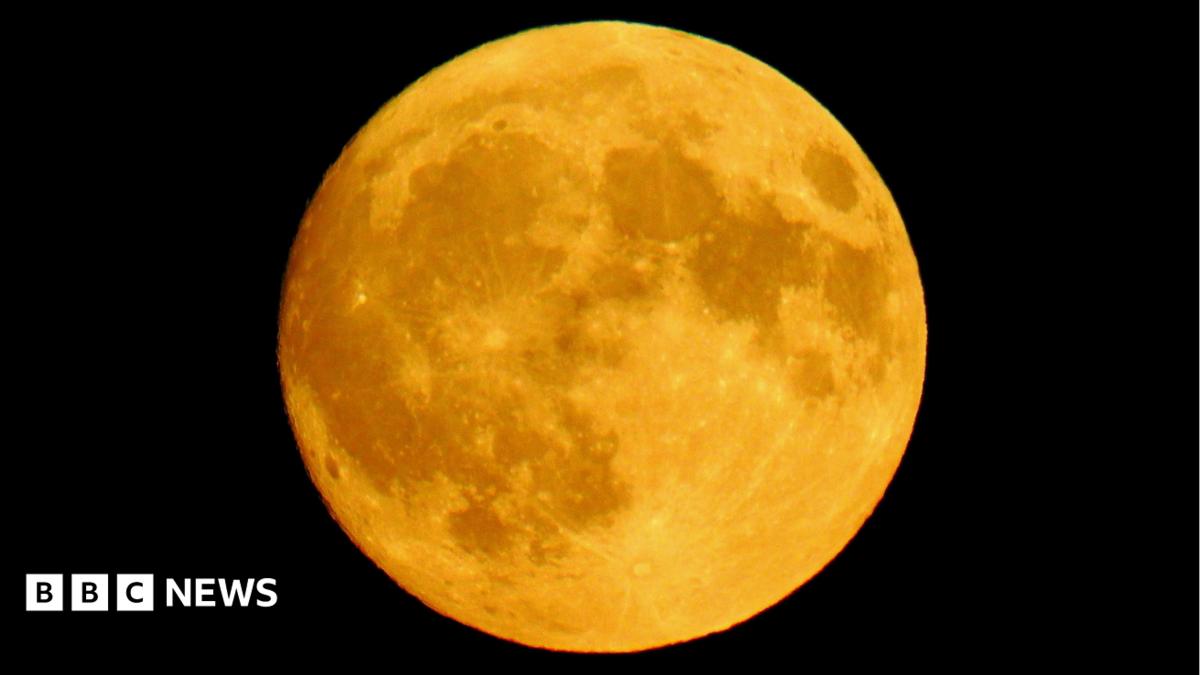
July’s full Buck Moon lights up night skies across the globe, reaching peak illumination during the day on Wednesday, July 29, 2026.
The Buck Moon Peak and Traditional Names Across Regions
The July full moon, widely recognized as the Buck Moon, reaches its peak illumination during daylight hours on Wednesday, July 29, 2026. According to the Old Farmer’s Almanac, the peak occurs at 7:36 a.m. usatoday.com for California viewers, while Tennessee observers note a peak at 10:36 a.m. ET and 9:36 a.m. In the United Kingdom, the moon lit up the skies over Devon and Cornwall on Tuesday night ahead of its maximum phase peaking at 15:36 BST on Wednesday, according to BBC reporting.
The midsummer moon carries several historical titles reflecting seasonal changes in nature and agriculture. NASA explains that the primary name traces back to Native Americans, who recognized the month as a time when
.the new antlers of buck deer emerge from their foreheads in coatings of velvety fur

Beyond the Buck Moon, July’s full lunar cycle is known by alternative titles depending on regional traditions. The Royal Observatory in Greenwich refers to the event as the Thunder Moon due to the summer storms that often happen in this month
. NASA notes that the title reflects the frequency of thunderstorms during this hot, dry month
. The midsummer moon is also designated the Hay Moon, which NASA describes as likely no surprise to anyone living on a farm, who may have spent recent weeks cutting, baling and storing hay for the coming winter
.
Additional names recorded by the Old Farmer’s Almanac include the Feather Moulting Moon, Salmon Moon, Berry Moon, Halfway Summer Moon, Raspberry Moon, and Month of the Ripe Corn Moon.
Viewing Forecasts and Weather Conditions in California and Tennessee
Visibility of the celestial display depends heavily on local weather patterns and atmospheric conditions.

For regions with light pollution, DarkSky International maintains a directory of designated dark sky communities across the United States. In California, recommended viewing locations include Sequoia and Kings Canyon National Parks in Central California, counties across the North State such as Shasta and Siskiyou, and Prairie Creek Redwoods State Park on the North State coast.
Across Tennessee, viewing prospects vary by locality due to forecasted rain and potential thunderstorms. Local weather data indicates that Knoxville carries a 60% chance of rain primarily before 8 p.m., while Memphis and Nashville report a 30% chance of showers and thunderstorms, which may obscure the moon for some residents.
In the UK, forecasters predict favorable conditions. BBC weather reports indicate that clear skies after dark on Wednesday will give observers in Devon and Cornwall a strong opportunity to catch a clear glimpse of the moon.
Remaining Full Moons on the 2026 Lunar Calendar
Following the passage of the July event, five full moons remain on the calendar for the remainder of the year. According to astronomical schedules outlined by the Farmer’s Almanac and national reporting, the upcoming lunar cycle features the Sturgeon Moon in August, which coincides with a partial lunar eclipse visible across North America.
| Full Moon Name | 2026 Peak Date |
|---|---|
| Buck Moon | Wednesday, July 29 |
| Sturgeon Moon (with partial lunar eclipse) | Friday, Aug. 28 |
| Corn Moon / Harvest Moon | Saturday, Sept. 26 |
| Hunter’s Moon | Monday, Oct. 26 |
| Beaver Moon (Super Moon) | Tuesday, Nov. 24 |
| Cold Moon (Super Moon) | Wednesday, Dec. 23 |
These subsequent lunar events will continue through the end of the year, concluding with the Cold Moon super moon on December 23.