Sacred Relics of teh Buddha Arrive in Bhutan, Symbolizing Deepening India-Bhutan spiritual Ties
The Kingdom of Bhutan is currently hosting a momentous occasion: the arrival of ancient relics believed to be those of the Buddha himself. This event, central to the ongoing Global Peace Prayer Festival (GPPF), isn’t just a religious happening; it’s a powerful symbol of the deepening spiritual and cultural connection between India and Bhutan. Prime Minister tshering Tobgay eloquently described the relics as a “gift from PM modi,” highlighting a collaboration extending beyond political and developmental cooperation into the realm of shared spiritual heritage.
This article will delve into the significance of these relics, their ancient context, and the broader implications of the GPPF for Bhutan and the global Buddhist community. We’ll explore what makes this event so special, and why it matters to you, whether you’re a Buddhist practitioner, a history enthusiast, or simply interested in international relations.
Understanding the Piprahwa Relics: A Journey through Time
These aren’t just any relics. They originate from Piprahwa, a site in Uttar Pradesh, India, near the Nepal border. archaeological evidence links Piprahwa to ancient Kapilavastu, the capital city of the Shakya clan and the birthplace of Prince Siddhartha – the future Gautama Buddha.
here’s a breakdown of their historical importance:
* Late 19th Century Discovery: British archaeologist William Claxton Peppe excavated the relics in the late 1800s.
* Kapilavastu Connection: Kapilavastu represents the formative years of the Buddha’s life before his enlightenment. it’s a place steeped in the stories of his upbringing and early spiritual seeking.
* Śarīra Dhātu - Sacred Remains: Following the Buddha’s cremation around 483 BCE, physical remains - bones, hair, nails, and teeth – were revered as Śarīra Dhātu. These relics aren’t seen as mere remains, but as tangible manifestations of the Buddha’s enlightened presence.
* A Tradition of Distribution: The Buddha himself sanctioned the division of his remains into eight parts, distributed among kings and communities who then enshrined them in stupas – dome-shaped monuments – for veneration. This practice sparked a tradition of Buddhist devotional practices and pilgrimage that has flourished for over 2,500 years.
The Global Peace Prayer Festival: A Beacon of Hope
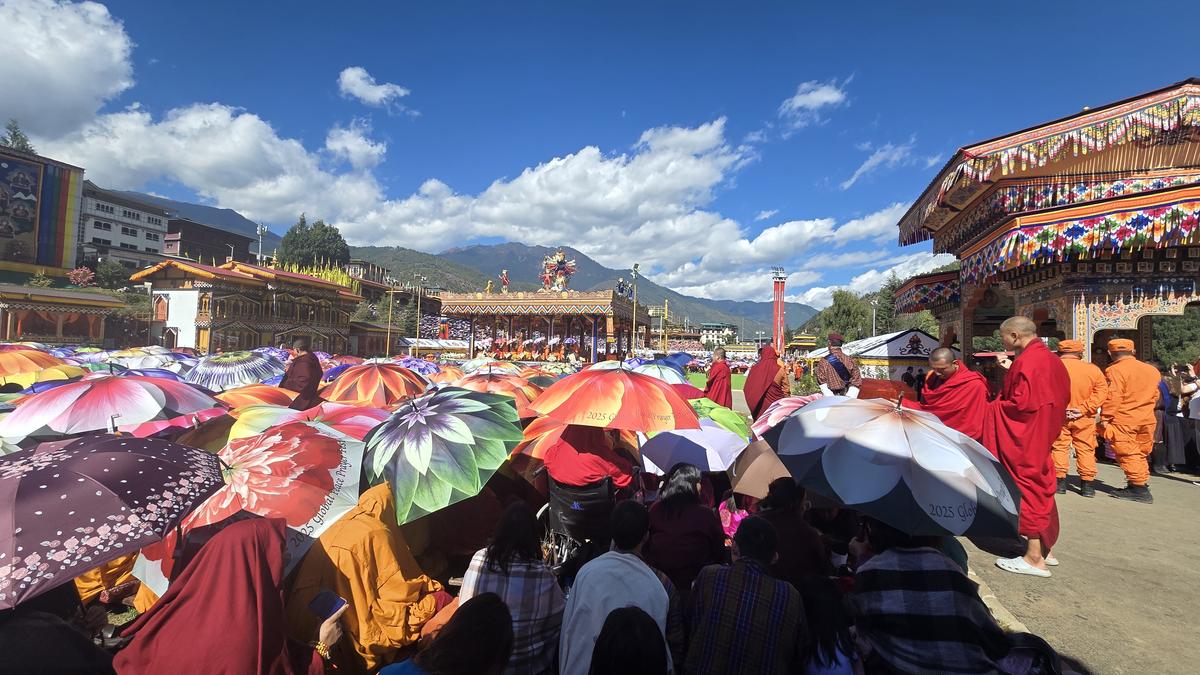
The arrival of the relics is the centerpiece of the GPPF, a multi-faceted event designed to promote peace and well-being in a world facing numerous challenges. Held at the Changlimithang stadium in thimphu, the festival brings together eminent lamas and Buddhist monks from across the globe.
Key components of the GPPF include:
* Continuous Chants for Peace: Monks are engaged in round-the-clock chanting,focusing on cultivating peace and happiness.
* Vajrayana Buddhism Focus: The festival embraces all vehicles of Buddhism, with a particular emphasis on Vajrayana, a tradition that emphasizes the possibility of achieving enlightenment within a single lifetime.
* Jabzhi Dhoechog Ritual: This rarely performed ritual, conducted by Bhutan’s Central Monastic Body, combines peaceful offerings with protective practices. It aims to heal, cleanse, and purify negative karma.
* Kalachakra Empowerment: From November 12-14, the Je Khenpo (Chief Abbot) will lead a three-day Kalachakra empowerment. This powerful ritual offers a tantric understanding of the universe and is believed to avert catastrophe.
* Bhikkhuni Ordination: The festival will also witness the full ordination of Buddhist nuns, a significant step towards gender equality within the monastic community. This builds on a similar ceremony held in 2022.
Why This Matters to You: A Deeper Understanding
The significance of this event extends beyond the Buddhist community. It offers valuable insights into:
* The Enduring Power of Spiritual Heritage: The reverence for these relics demonstrates the lasting impact of the Buddha’s teachings and the importance of preserving cultural and religious traditions.
* India-Bhutan Relations: The exchange of these relics underscores the strong and evolving relationship between India and Bhutan, built on shared values and mutual respect. It’s a testament to the power of
Keep reading