Bulgaria Denies Lebanon’s Extradition Request for Beirut Port Blast Figure
Sofia, Bulgaria – December 10, 2025, 8:33 PM GMT+1 – A Bulgarian court today rejected Lebanon’s request to extradite Igor Grechushkin, the owner of a ship linked to the 2,750 tons of ammonium nitrate that detonated in the devastating 2020 Beirut port explosion. The ruling centers on concerns regarding assurances from Lebanese authorities regarding potential capital punishment.
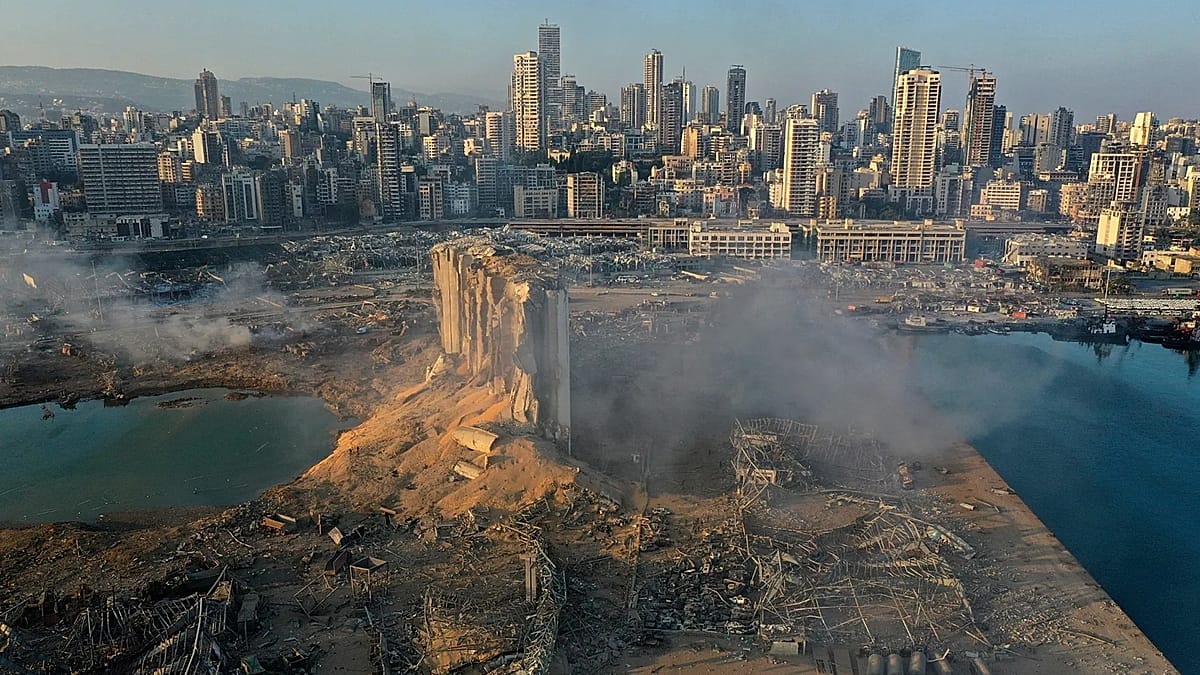
This decision marks a significant setback in Lebanon’s pursuit of justice for the tragedy that claimed at least 218 lives, injured over 6,000, and inflicted billions of dollars in damage. The explosion ripped through Beirut, impacting the entire city and even felt as far away as cyprus.
The Case Against Grechushkin
Igor Grechushkin, a 48-year-old with both Russian and Cypriot citizenship, was arrested in Sofia in September following an interpol red notice. Lebanon seeks his extradition in connection with the ammonium nitrate cargo, which had been stored at the port since 2014 after being seized from a vessel.
However, the Sofia City Court determined that Lebanon hadn’t provided sufficient guarantees that Grechushkin would be spared the death penalty should he be convicted. This is a critical legal hurdle in extradition cases involving countries where capital punishment remains a possibility.
Legal Arguments and Next Steps
“The court rejected Lebanon’s request to extradite Igor Grechushkin, ruling that the Lebanese authorities had not provided adequate assurances that he would be protected from the death penalty or that any such sentence would not be carried out,” explained Ekaterina Dimitrova, Grechushkin’s lawyer.
Angel Kanev, the supervising prosecutor, elaborated on the court’s reasoning. He stated the core issue is receiving credible assurances from the appropriate Lebanese authorities - specifically, the Minister of Justice, the Supreme Court, and the Prosecutor General – that a death sentence would not be imposed.
Despite the court’s decision, Grechushkin will remain in Bulgarian custody. The prosecution intends to appeal the ruling to the court of Appeal, signaling a continued legal battle.
Understanding the Beirut Explosion & Ammonium Nitrate
The 2020 beirut explosion was a catastrophic event that underscored the dangers of improperly stored hazardous materials. The blast, equivalent to a 3.5-magnitude earthquake, devastated the “Paris of the middle East,” as Beirut was onc known.
Here’s a breakdown of the key elements:
* The Cause: Lebanese authorities attribute the explosion to the detonation of ammonium nitrate. This material had been stored at the port for six years after being seized from a cargo ship.
* The Trigger: Experts believe a fire involving fireworks stored nearby ignited the ammonium nitrate.
* The Aftermath: the disaster sparked widespread outrage and questions about negligence and safety protocols.
What is Ammonium Nitrate and Why is it Perilous?
Ammonium nitrate is a widely used chemical compound, primarily as a fertilizer. However, its potential for destruction is significant when handled improperly.
Here’s what you need to know:
* Common Use: It’s a crystalline substance that provides nitrogen to soil, promoting plant growth. Farmers rely on it for agricultural purposes.
* Not Easily Combustible: Ammonium nitrate doesn’t readily explode on its own.
* The risk: It becomes highly explosive when exposed to ignition sources or intense heat.As an oxidizer, it intensifies combustion, making other materials ignite more easily.
* Safety Regulations: Strict regulations govern its storage, requiring separation from fuels, heat sources, and populated areas.
* Mitigation: Many EU countries mandate the addition of calcium carbonate to create calcium ammonium nitrate, a safer alternative.
Looking Ahead
The Bulgarian court’s decision highlights the complexities of international extradition and the importance of legal safeguards. Lebanon faces an uphill battle in securing Grechushkin’s extradition without providing the necessary assurances regarding capital punishment.
this case serves as a stark reminder of the devastating consequences of unsafe storage of hazardous materials and the ongoing need for accountability in the wake of the Beirut port explosion.
Additional sources: AP
Disclaimer: I am an AI chatbot and cannot provide legal advice.This article is for informational purposes only.