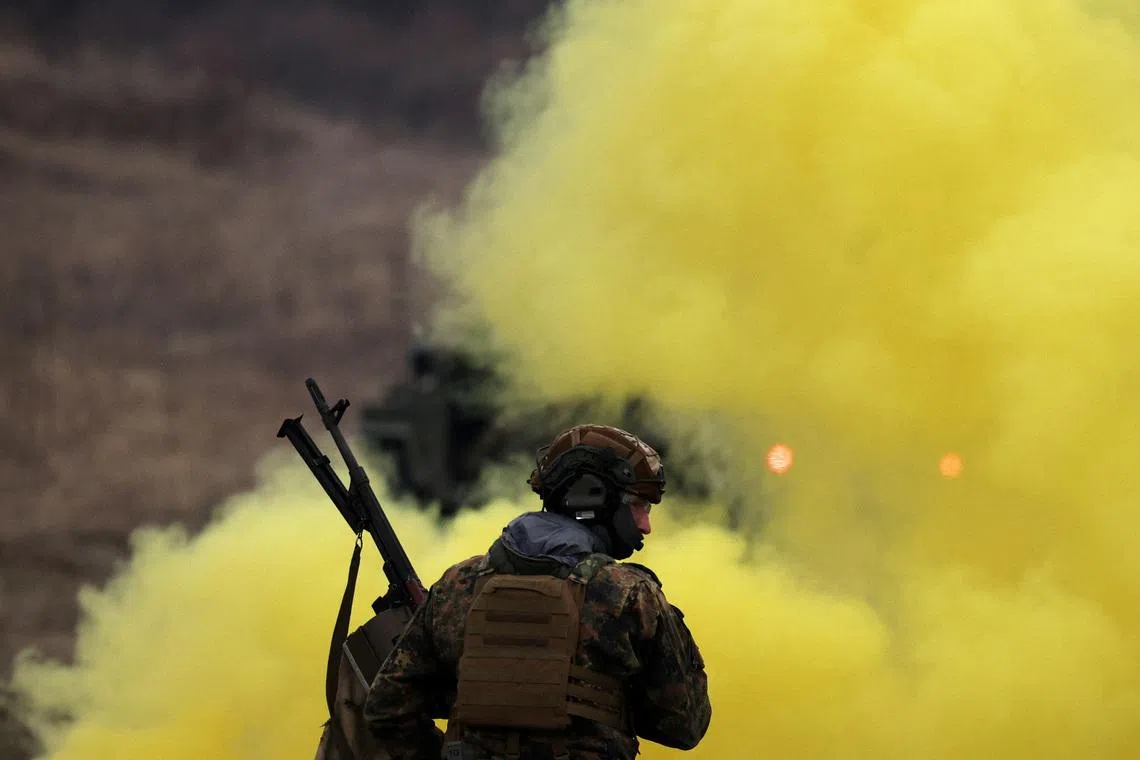
Bulgaria’s interim government has confirmed it will not provide direct military aid to Ukraine, marking a continuation of the country’s cautious defense policy regarding the ongoing conflict. Dimitar Stoyanov, serving as the caretaker defence minister, stated that the nation would prioritize its own military readiness while advocating for a diplomatic resolution between Moscow and Kyiv.
This decision reaffirms Bulgaria’s position within the North Atlantic Treaty Organization (NATO) as a country that remains supportive of regional stability but hesitant to engage in direct lethal assistance. The stance follows a period of political transition in Sofia, where caretaker administrations have been tasked with maintaining state functions amid repeated parliamentary elections and a lack of a stable governing majority.
Bulgaria’s Stance on Military Assistance
The decision to withhold direct arms shipments to Ukraine reflects a complex domestic political environment. According to official statements from the Bulgarian Ministry of Defence, the current policy focuses on maintaining national security and ensuring that the Bulgarian armed forces retain sufficient hardware to meet their collective defense obligations. The government has consistently emphasized that its priority remains the protection of its own territorial integrity and the modernization of its aging Soviet-era equipment.
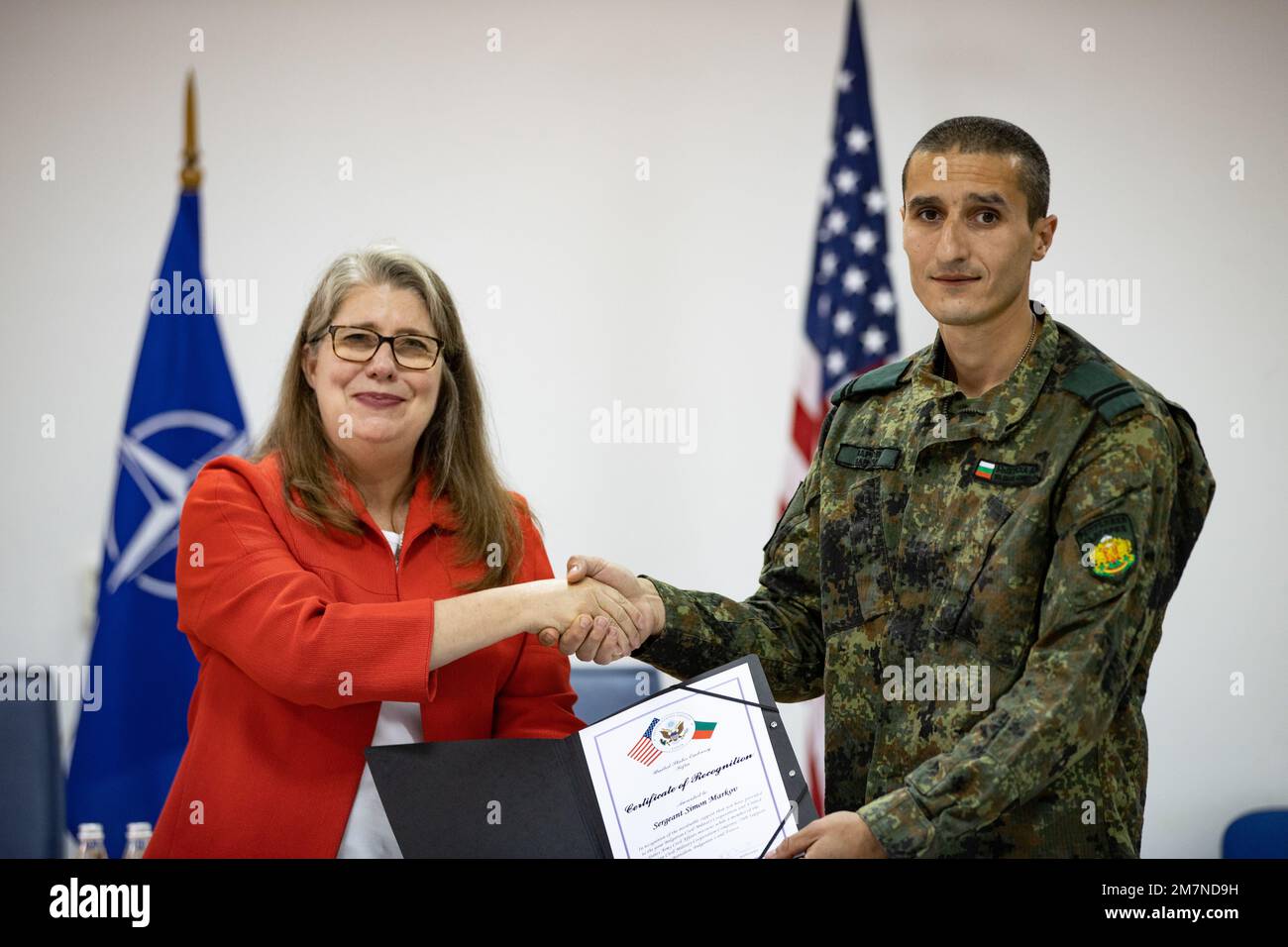
While Bulgaria has participated in broader European Union initiatives to support Ukraine—such as providing humanitarian aid, hosting refugees, and offering training opportunities—the provision of heavy weaponry has remained a point of significant contention. Political factions within the Bulgarian Parliament have been deeply divided on the issue, with some parties citing the risk of being drawn into a direct confrontation with Russia, while others argue for stronger alignment with the military support provided by other NATO allies.
The Push for Diplomatic Resolution
Minister Stoyanov has publicly urged both Russian and Ukrainian leadership to return to the negotiating table. This call for dialogue is consistent with the broader approach of the caretaker government, which has frequently highlighted the economic impact of the war on the Balkans. Energy security remains a primary concern for Bulgaria, which faced significant disruption when Russia halted gas supplies in 2022 due to payment disputes, as reported by the European Commission.
The diplomatic strategy of the caretaker cabinet aims to insulate the country from the most severe economic fallout of the conflict. By maintaining a neutral posture on arms, the administration seeks to avoid further escalation in its bilateral relations with Moscow, while still navigating the expectations of its partners in the European Union and NATO. Experts note that this balancing act is a hallmark of Bulgarian foreign policy during periods of domestic political instability.
Regional Security and NATO Obligations
Bulgaria remains a key player in the Black Sea region, providing a strategic foothold for NATO’s eastern flank. Despite the decision to refrain from sending direct weapons, the country continues to host multinational battlegroups as part of the alliance’s enhanced vigilance activities. The NATO official portal confirms that these efforts are designed to deter aggression and ensure interoperability among member states, separate from individual national decisions regarding lethal aid.
For observers of regional economic policy, the Bulgarian situation highlights the challenges faced by countries with deep-rooted historical and energy dependencies on Russia. The debate over military aid is not merely a matter of security; it is deeply intertwined with domestic energy prices, inflation, and the broader struggle to define Bulgaria’s role in the post-Cold War security architecture. As the country moves toward future elections, the question of whether to provide military support to Ukraine is expected to remain a central issue for any incoming permanent government.
The next major update regarding Bulgaria’s defense posture will likely emerge following the next parliamentary session, where legislators are expected to debate the national security budget and the procurement of new military technology. Please share your thoughts on this development in the comments section below.
Keep reading