
The BBC has officially appointed Rhodri Talfan Davies as its new Deputy Director General, solidifying the broadcaster’s senior leadership team following a period of executive transition. Davies, who previously served as the interim lead for the organization, will now act as the second-in-command to Director General Tim Davie, working alongside the recently appointed Chief Operating Officer, Matt Brittin.
The appointment comes after a rigorous, competitive recruitment process overseen by the BBC Board. As Deputy Director General, Davies is tasked with supporting the corporation’s strategic transformation and navigating the complex financial and regulatory pressures facing the public service broadcaster in an increasingly digital-first media landscape. According to the official BBC executive committee records, this role is central to maintaining the broadcaster’s editorial standards and operational efficiency.
Background and Professional Trajectory
Rhodri Talfan Davies is a long-standing veteran of the BBC. Before stepping into the Deputy Director General role, he served as the Director of BBC Nations, where he was responsible for the corporation’s strategy and output across Scotland, Wales, and Northern Ireland. His tenure in that capacity included overseeing significant investments in regional production centers and navigating the delicate balance of representing the diverse voices of the United Kingdom.

His appointment follows a period of instability in the top echelons of the broadcaster. Davies famously stepped in as an interim leader during a time when the BBC was managing both internal structural reviews and external criticism regarding its funding model and impartiality. His transition to the permanent Deputy position is widely viewed within the industry as a move toward continuity and operational stability.
The leadership structure is rounded out by the arrival of Matt Brittin, who joined the BBC last month. Brittin, formerly the president of EMEA business and operations at Google, brings a background in digital transformation and global commercial strategy. The combination of Davies’ deep institutional knowledge of the BBC and Brittin’s corporate experience is intended to help the broadcaster modernize its digital delivery, particularly regarding the iPlayer platform and the BBC’s international commercial arm, BBC Studios.
Strategic Challenges for the New Leadership
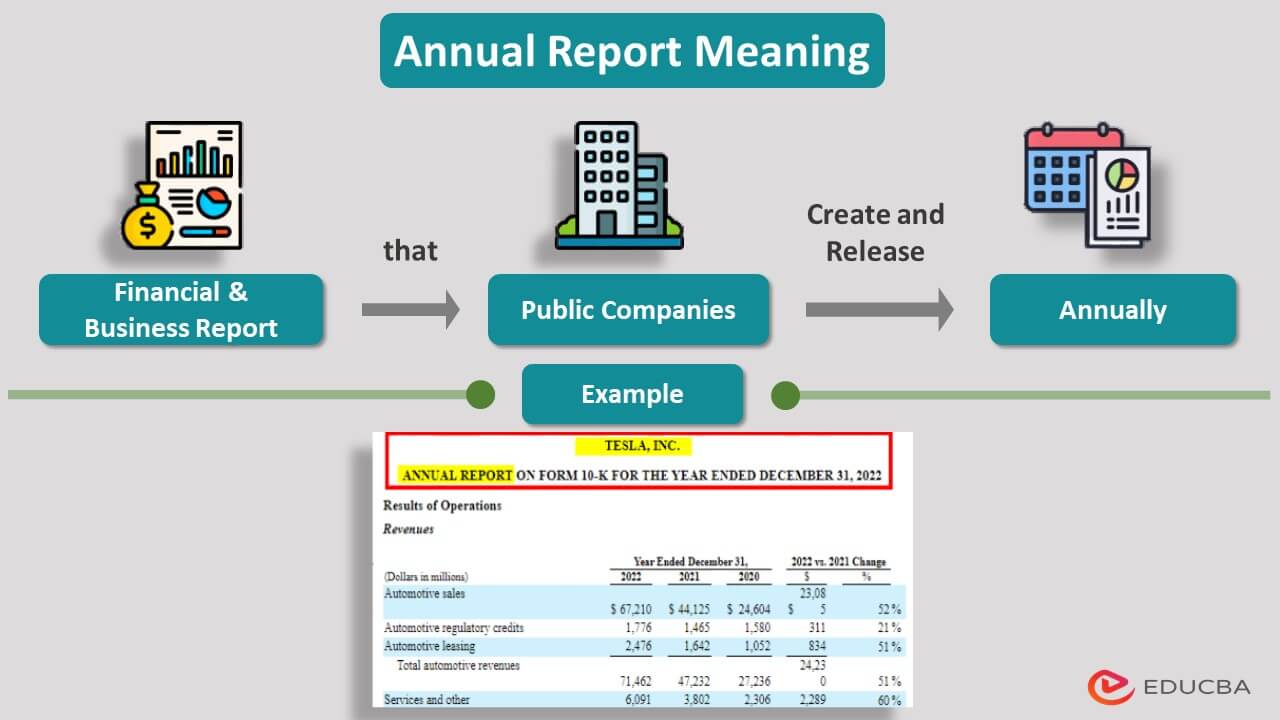
The new executive team faces a demanding agenda. The BBC is currently operating under a Royal Charter that mandates it to provide high-quality, impartial news and entertainment to a global audience while managing a fixed-income model reliant on the license fee. Financial reports released by the corporation indicate that the broadcaster is seeking to bridge a significant funding gap through a combination of cost-saving measures and commercial growth, as detailed in the BBC Annual Report and Accounts.
A primary focus for Davies in his new capacity will be the integration of digital services. With audiences shifting rapidly toward on-demand viewing, the BBC has committed to a “digital-first” strategy. This involves not only technological upgrades to its streaming infrastructure but also a shift in programming priorities to ensure that younger demographics, who are increasingly moving away from traditional linear television, remain engaged with public service content.
Furthermore, the organization must continue to defend its editorial independence. In recent years, the BBC has faced intense scrutiny from various political factions regarding its coverage of sensitive domestic and international issues. As Deputy Director General, Davies is expected to play a key role in reinforcing the broadcaster’s commitment to impartiality, a pillar of its mission as defined by the BBC Royal Charter and Framework Agreement.
Comparative Leadership Dynamics
The appointment of Davies represents a strategic decision to pair internal experience with external expertise. While Matt Brittin’s arrival signals an appetite for Silicon Valley-style commercial agility, Davies provides the necessary “BBC DNA” to ensure that such changes do not compromise the broadcaster’s public service obligations. This dual-track leadership is a marked departure from previous eras where senior management was often drawn exclusively from within the organization’s traditional broadcasting ranks.
Critics of the current leadership structure have pointed to the inherent tension between the BBC’s commercial ambitions and its public service mission. However, supporters argue that in a global market dominated by streaming giants like Netflix and Disney+, the BBC requires leaders who understand both the nuances of public broadcasting and the mechanics of large-scale digital operations. The success of this new executive team will likely be measured by the organization’s ability to grow its commercial revenue without sacrificing the quality or accessibility of its core public service offerings.
Next Steps for the Broadcaster
The BBC is scheduled to release its next quarterly performance update in the coming months, which will provide further insight into how the new leadership team is settling into their respective portfolios. Shareholders and the public will be watching closely to see if the appointment of Davies to the deputy role results in any immediate shifts in regional programming or internal restructuring.
For those interested in following the progress of the BBC’s executive leadership, official updates and policy documents are published regularly via the BBC About the BBC portal. We invite our readers to share their thoughts on the future of public service broadcasting in the comments section below.
Keep reading