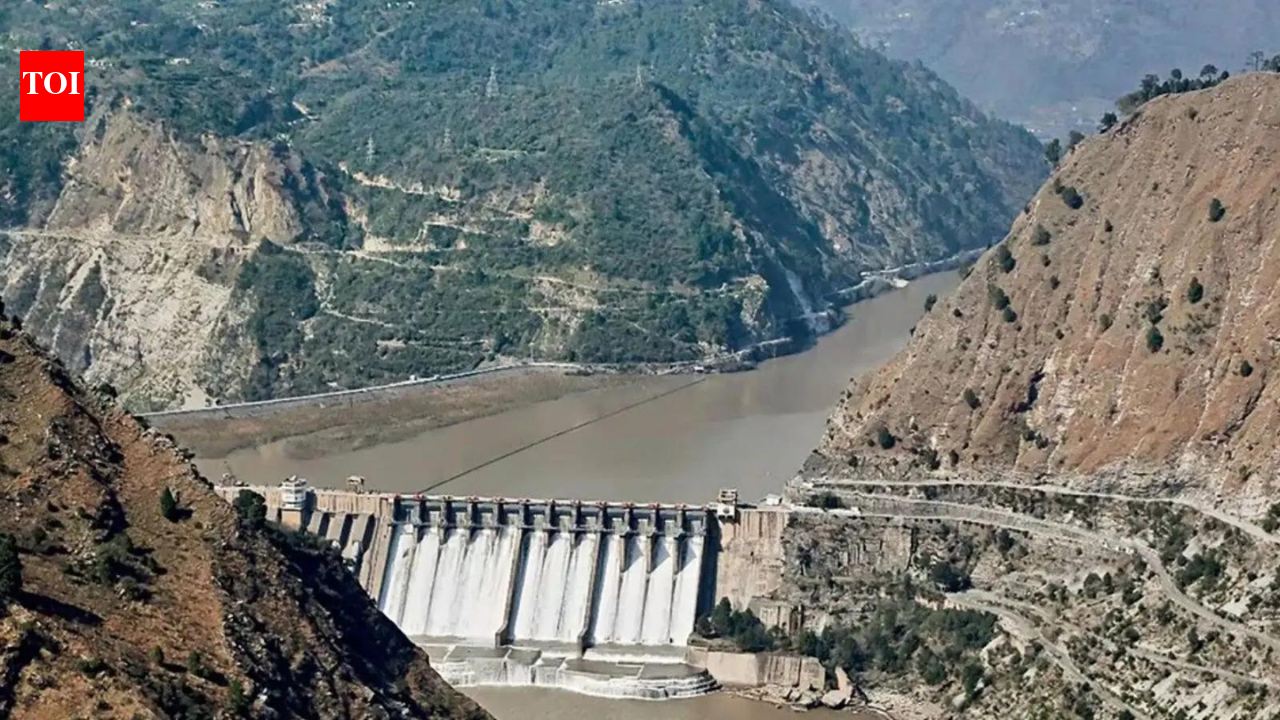
India has issued a formal notice to Pakistan to modify the 64-year-old Indus Waters Treaty, citing changes in demographics, environmental concerns, and the need for clean energy development. While the Indian government has emphasized its commitment to the treaty, recent rhetoric from officials suggests a shift toward more stringent utilization of western river waters, amid ongoing diplomatic tensions regarding the management of the Indus basin.
The Indus Waters Treaty, brokered by the World Bank in 1960, governs the distribution of water from the Indus river system between India and Pakistan. According to the World Bank, the treaty provides a cooperative framework for the six rivers of the Indus basin, allocating the three eastern rivers—the Ravi, Beas, and Sutlej—to India, and the three western rivers—the Indus, Jhelum, and Chenab—primarily to Pakistan. Under the agreement, India is permitted to use the waters of the western rivers for limited purposes, including hydroelectric power generation, provided the designs adhere to specific technical criteria.
Origins of the Current Diplomatic Stance
The current friction stems from long-standing disagreements over India’s hydroelectric projects on the Chenab and Kishanganga rivers. Pakistan has repeatedly sought the appointment of a neutral expert or the convening of a Court of Arbitration, arguing that Indian dam designs violate the treaty’s technical specifications. India has maintained that these projects are compliant with the treaty’s provisions.
In January 2023, India issued a notice to Pakistan to modify the treaty, marking the first such move since the agreement was signed. The Ministry of External Affairs cited Pakistan’s “intransigence” in addressing disputes as the primary driver for the formal request to update the framework. According to the Ministry of External Affairs of India, the move was necessitated by Pakistan’s repeated attempts to force the appointment of two separate forums—a neutral expert and a Court of Arbitration—to adjudicate the same set of issues, a practice India argues is legally untenable under the treaty.
Technical Constraints and Treaty Obligations
The Indus Waters Treaty is widely regarded as one of the most durable water-sharing agreements in history, having survived multiple wars and significant geopolitical shifts. However, the document does not contain a formal exit clause. Article XII of the treaty stipulates that the agreement can only be modified through a duly ratified treaty signed by both governments.
Legal experts observe that the treaty’s rigid structure makes unilateral changes difficult. As noted by the Stimson Center, a Washington-based think tank, the treaty’s success has historically relied on the willingness of both parties to utilize the Permanent Indus Commission as a channel for technical communication. The current impasse reflects a broader breakdown in diplomatic relations, where water-sharing has become increasingly intertwined with national security and regional stability concerns.
Impact on Regional Hydroelectric Development
For India, the focus remains on maximizing the hydroelectric potential of the western rivers, which it views as essential for meeting its renewable energy targets and providing electricity to the Union Territories of Jammu and Kashmir. The government asserts that its projects, such as the Ratle and Kishanganga hydroelectric plants, are designed to minimize downstream impact while optimizing energy output.
Pakistan, conversely, relies heavily on the Indus basin for its agricultural sector, which accounts for a significant portion of its GDP. Any perceived reduction in water flow is viewed by Islamabad as a threat to national food security. According to data from the Food and Agriculture Organization of the United Nations, the Indus river system is the lifeblood of Pakistan’s economy, supporting millions of hectares of irrigated land.
Looking Ahead: The Path for Future Negotiations
The next steps in this dispute remain uncertain. While India has called for government-level negotiations to modify the treaty, Pakistan has resisted, insisting that the existing mechanisms for dispute resolution be exhausted first. The World Bank, which acts as a signatory to the treaty, has consistently urged both nations to resolve their differences through bilateral dialogue and the established channels of the Permanent Indus Commission.

Observers point to the ongoing legal proceedings at the Permanent Court of Arbitration in The Hague as a critical indicator of the treaty’s future. The court, which has been hearing the dispute despite India’s decision not to participate, is expected to rule on its own jurisdiction and the technical merits of the hydroelectric projects. Until a new consensus is reached, the treaty remains in force, with both nations continuing to navigate the complexities of shared water resources in a climate-challenged region.
Updates regarding the status of the Permanent Indus Commission meetings and any official responses from the Pakistani Ministry of Foreign Affairs will be reported as they become available. Readers are encouraged to monitor official government portals in both New Delhi and Islamabad for further developments.
Keep reading