Sabah State Election 2024: Navigating Coalition Negotiations & Seat Allocation
The upcoming Sabah state election is generating significant political maneuvering, notably concerning seat negotiations between Barisan Nasional (BN) and Pakatan Harapan (PH). As of November 1st, 2024, discussions remain ongoing, with a reported completion rate of approximately 65%. This article delves into the complexities of these negotiations, contrasting perspectives from key leaders, and analyzing potential implications for the electoral landscape. We’ll explore the challenges of coalition building in sabah, the dynamics between BN, PH, and Gabungan Rakyat Sabah (GRS), and what these negotiations meen for voters.
The Current State of Play: A Discrepancy in Reports
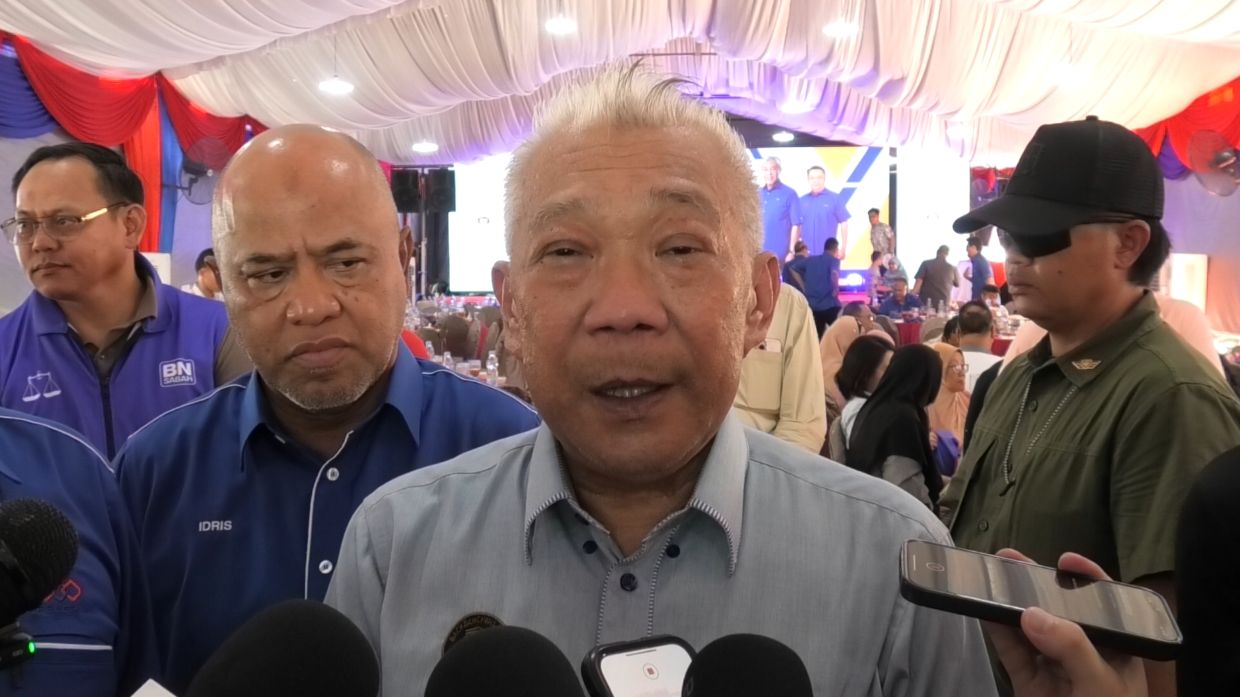
Datuk Seri Bung Moktar Radin,Sabah’s Barisan Nasional chief,indicated that finalization of seat allocation with Pakatan Harapan is still pending. He emphasized a commitment to avoiding electoral clashes between the two coalitions. However, this statement directly contrasts with remarks made by Datuk Mustapha Sakmud, sabah Parti Keadilan Rakyat (PKR) chief, who claimed negotiations between PH and BN are largely complete, with only one outstanding seat to resolve in discussions with GRS.
Did You Know? Sabah’s political landscape is historically characterized by fluid alliances and frequent shifts in power, making seat negotiations particularly crucial and often contentious.
This divergence in reporting highlights the delicate and often opaque nature of these behind-the-scenes discussions. It raises questions about communication breakdowns or possibly differing strategies within the coalitions.
Understanding the Key Players & Their Objectives
To fully grasp the situation, it’s essential to understand the objectives of each major player:
* Barisan Nasional (BN): Traditionally dominant in Sabah, BN aims to regain lost ground and reassert its influence. Their negotiation strategy likely focuses on securing key seats with a proven track record of support.
* Pakatan Harapan (PH): Seeking to expand its presence in Sabah, PH is likely prioritizing seats where it believes it can make significant gains, potentially targeting urban and younger voters.
* Gabungan Rakyat Sabah (GRS): As the current ruling coalition in Sabah, GRS aims to maintain its power base and ensure a stable government post-election. Their involvement adds another layer of complexity to the negotiations.
Pro Tip: Follow statements from multiple leaders within each coalition to get a more extensive understanding of their negotiating positions. Don’t rely on a single source.
The Challenges of Coalition Building in Sabah
Sabah’s political environment presents unique challenges to coalition building. These include:
* Local Party Dynamics: Numerous local Sabah-based parties wield significant influence, often with specific regional or ethnic interests.
* Historical Alliances & Rivalries: Past electoral contests have created deep-seated rivalries between certain parties, making cooperation difficult.
* Shifting Voter Preferences: Sabah’s electorate is increasingly diverse and less predictable, requiring coalitions to adapt their strategies accordingly.
* Federal-State Relations: The relationship between the state government and the federal government in Kuala Lumpur can influence coalition dynamics.
Potential Scenarios & Implications
Several scenarios could unfold as negotiations progress:
* Complete Agreement: All parties reach a consensus on seat allocation, presenting a united front in the election. This would maximize their collective chances of success.
* Partial Agreement with Overlap: An agreement is reached on most seats, but some overlap remains, potentially leading to kind fire during the campaign.
* Negotiation Breakdown & Multi-Cornered Fights: Negotiations collapse entirely, resulting in direct contests between BN, PH, GRS, and other parties in numerous seats. This could split the opposition vote and benefit the incumbent.
| Scenario | likelihood (as of Nov 1, 2024) | Potential Outcome |
|---|---|---|
| complete Agreement | 40% | strong unified front, increased chances of winning
|