
Pomona, CA – A fiery debate among eight candidates vying to grow California’s next governor unfolded Tuesday evening at Pomona College, offering voters a stark contrast in visions for the state’s future. The 90-minute forum, billed as the “largest” debate to date in the race, saw candidates clash over pressing issues including the state’s gas tax, housing crisis, and rising homeowners insurance rates, potentially signaling a turning point in a campaign that has, until now, largely flown under the radar. With the June 2 primary election rapidly approaching, the debate provided a crucial opportunity for candidates to distinguish themselves and capture the attention of undecided voters.
The field of contenders included Democrats Xavier Becerra, former U.S. Health and Human Services Secretary; San Jose Mayor Matt Mahan; former Orange County Representative Katie Porter; billionaire hedge fund founder Tom Steyer; California Superintendent of Public Instruction Tony Thurmond; and former Los Angeles Mayor Antonio Villaraigosa. Representing the Republican party were former Fox News commentator Steve Hilton and Riverside County Sheriff Chad Bianco. The debate, covered extensively by the Los Angeles Times, highlighted the deep divisions within both parties as candidates sought to define their positions on key policy issues.
A Divided Democratic Field and a Republican Frontrunner
The Democratic side of the race remains fractured, with multiple candidates vying for the nomination. Former Representative Eric Swalwell’s departure from the race following allegations of sexual assault and misconduct, as reported by the Los Angeles Times, created an opening that Xavier Becerra has seemingly capitalized on. However, Becerra faced persistent attacks during the debate, particularly regarding his proposals for addressing the homeowners insurance crisis. Steve Hilton, a Republican, currently leads in recent opinion polls, raising concerns among Democrats about a potential shutout in the general election. The debate underscored the challenges facing the Democratic party in uniting behind a single candidate and presenting a cohesive message to voters.
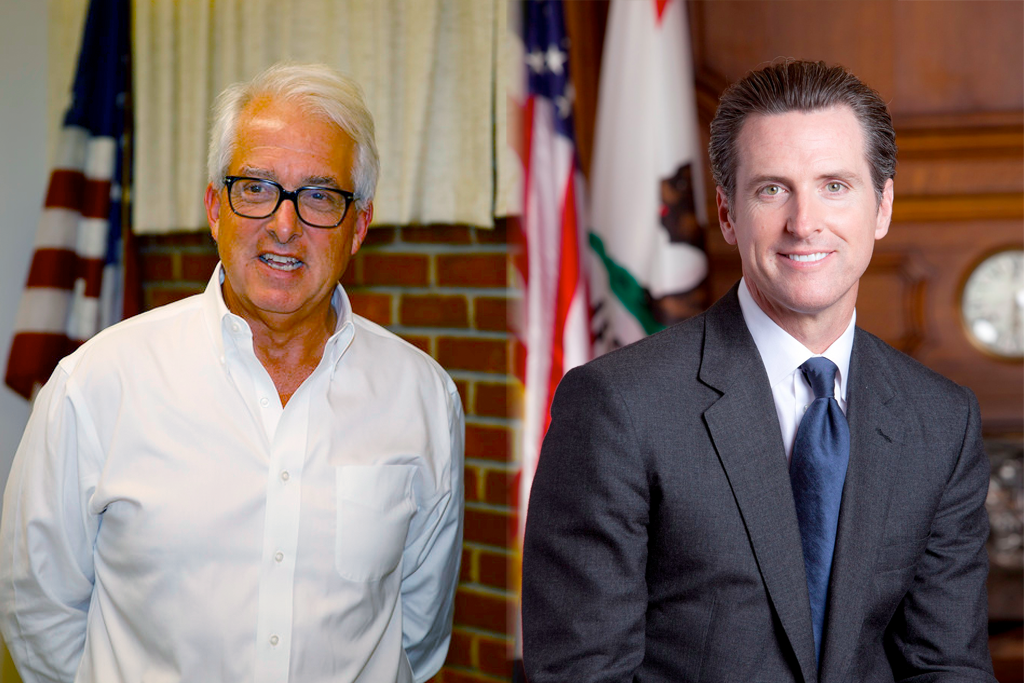
Hilton, capitalizing on his poll position, directly challenged Becerra’s proposed solutions, arguing that the governor lacks the constitutional authority to declare a state of emergency to address rising insurance rates. “We can’t have a governor who doesn’t understand how the government works,” Hilton stated, according to the Los Angeles Times. This exchange exemplified the sharp partisan divide on display throughout the evening. The debate also revealed a broader strategic challenge for the Democrats: how to differentiate themselves in a crowded field and appeal to a diverse electorate.
Clashes Over Key Policy Issues
The debate centered heavily on the economic challenges facing California residents. Candidates sparred over the state’s high gas prices, with differing proposals for relief. Housing affordability was another major point of contention, with candidates offering a range of solutions from increased construction to rent control measures. Perhaps the most heated exchanges revolved around homeowners insurance, a growing concern for many Californians facing skyrocketing premiums and difficulty obtaining coverage. Becerra’s proposal to declare a state of emergency drew criticism from Hilton, who questioned its legality and effectiveness.
Beyond economic issues, candidates also touched on topics such as immigration, water resources, and the role of money in politics. However, as noted by columnists at the Los Angeles Times, the debate often lacked the depth and detail needed to truly address these complex challenges. The candidates were often pressed to articulate specific plans and demonstrate a clear understanding of the issues facing the state.
Thurmond Emerges as a Potential Standout
Although the debate was characterized by numerous clashes, one candidate appeared to resonate with observers. According to Gustavo Arellano, Anita Chabria, and Mark Z. Barabak, columnists for the Los Angeles Times, State Superintendent Tony Thurmond delivered a particularly compelling performance. Arellano highlighted Thurmond’s ability to connect with voters through his personal story – a background as the child of a Panamanian immigrant who experienced hardship growing up – and his consistent ability to effectively challenge Sheriff Chad Bianco.
Thurmond repeatedly drew applause for his pointed critiques of Bianco, particularly regarding the Riverside County Sheriff’s handling of hundreds of thousands of ballots. This exchange underscored the importance of election integrity and the role of local officials in ensuring fair and secure elections. Thurmond’s performance suggests he may be gaining momentum as the primary election approaches.
A Chaotic Exchange and Voter Engagement
The debate wasn’t without its moments of disarray. CalMatters described the event as devolving into “chaos,” with candidates frequently interrupting each other and struggling to stay within allotted time limits. Despite the sometimes-fractious atmosphere, the debate appears to have generated increased voter engagement. The Los Angeles Times reported that the forum may finally draw voter attention as the June 2 primary election nears.
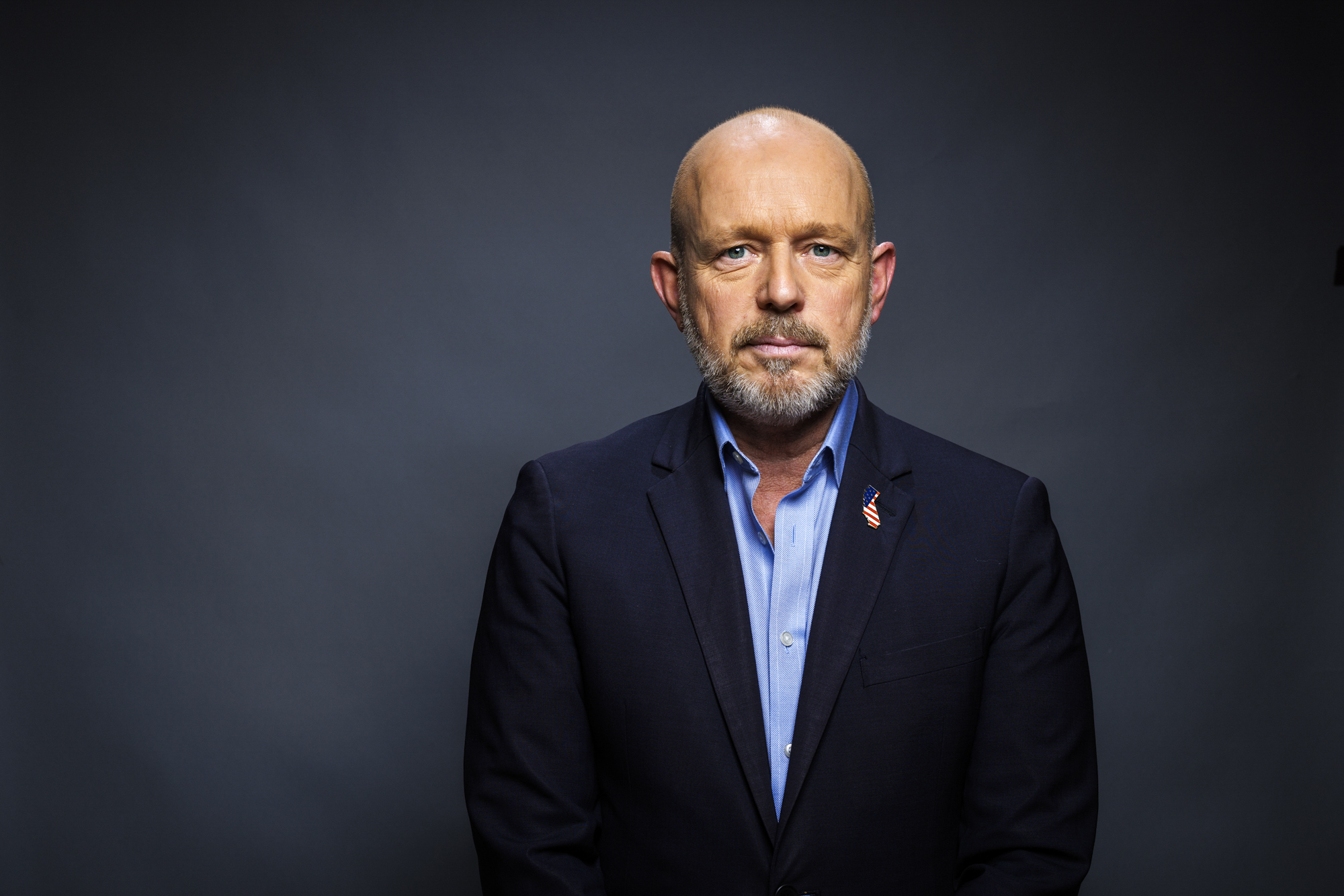
The debate’s format, featuring eight candidates on stage, contributed to the challenges of maintaining a focused and productive discussion. Moderators struggled to enforce time limits and ensure that all candidates had an opportunity to address key issues. However, the sheer number of participants also allowed for a broader range of perspectives and a more comprehensive exploration of the challenges facing California.
Key Takeaways
- Republican Strength: Steve Hilton currently leads in polls, signaling potential challenges for Democrats in the general election.
- Democratic Division: The Democratic field remains crowded and fractured, making it difficult for any single candidate to emerge as a clear frontrunner.
- Policy Clashes: Candidates clashed sharply over key issues such as gas prices, housing affordability, and homeowners insurance.
- Thurmond’s Performance: State Superintendent Tony Thurmond received positive reviews for his compelling personal story and effective critiques of his opponents.
- Increased Voter Engagement: The debate appears to have generated increased voter attention as the primary election approaches.
As California voters prepare to head to the polls on June 2, the debate at Pomona College has provided a valuable glimpse into the competing visions for the state’s future. The outcome of the primary election will likely shape the political landscape of California for years to come. The next key date for voters is the start of early voting, which begins May 25th, according to the California Secretary of State’s office. More information on voting and candidate information can be found on the California Secretary of State’s website.
The race for governor remains fluid, and the coming weeks will be crucial for candidates to solidify their support and make their case to voters. World Today Journal will continue to provide comprehensive coverage of the California gubernatorial election, offering in-depth analysis and reporting on the key issues and candidates. We encourage readers to share their thoughts and engage in constructive dialogue in the comments section below.
Related reading