
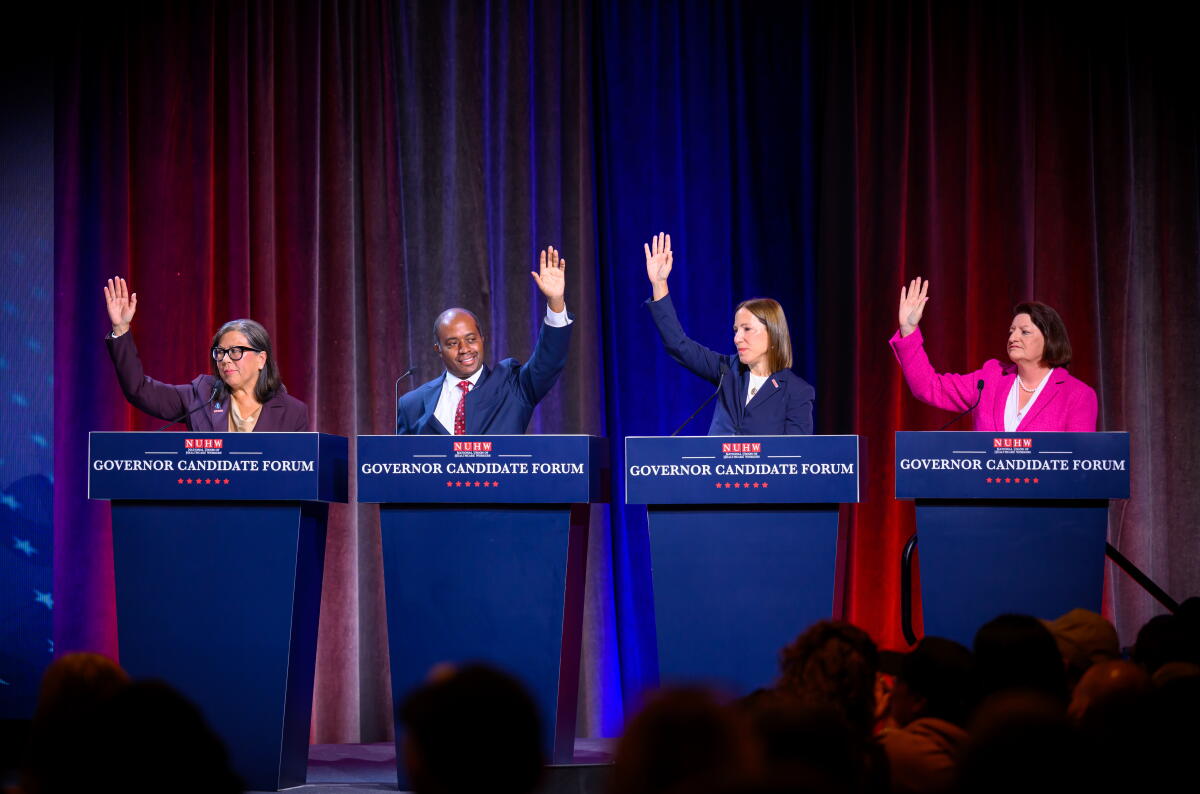
California’s race to replace Governor Gavin Newsom intensified following a televised debate featuring six candidates vying for the state’s top office. The April 22, 2026, debate in San Francisco brought together four Democrats and two Republicans, with the field reshaped after U.S. Representative Eric Swalwell withdrew amid sexual misconduct allegations he denied as “flat false.”
Among the Democrats, billionaire activist Tom Steyer and former U.S. Health and Human Services Secretary Xavier Becerra faced sharp criticism from rivals, whereas Republicans Steve Hilton and Chad Bianco sought to capitalize on Democratic divisions. The debate, hosted by Nexstar, occurred two weeks after Swalwell’s resignation from Congress and came as California prepares for its June 2 primary, where the top two vote-getters regardless of party will advance to the November general election.
With ballots set to be mailed to voters beginning May 4, the candidates are navigating a fragmented Democratic field that party officials warn could result in Republicans securing both general election slots—a scenario last seen in 1994. CNN reported that President Donald Trump has endorsed Republican Steve Hilton, a former Fox News host, while Riverside County Sheriff Chad Bianco presents another viable GOP alternative.
Steyer and Becerra Face Scrutiny Over Records and Positions
During the debate, Tom Steyer, who founded the political advocacy group NextGen America, was challenged on his wealth and past political investments. Critics questioned whether his billions in personal spending on climate and democracy initiatives translated to electoral success, noting his failed 2020 presidential bid and 2018 gubernatorial run. Steyer defended his record, emphasizing his long-term commitment to progressive causes and arguing that his financial independence allows him to resist special interests.
Xavier Becerra, who served as California’s Attorney General from 2017 to 2021 before becoming U.S. Health and Human Services Secretary under President Biden, faced questions about his handling of opioid litigation and healthcare policy during his tenure. Rivals pointed to settlements with pharmaceutical companies during his time as Attorney General, arguing they did not sufficiently hold corporations accountable. Becerra highlighted his work expanding healthcare access and defending the Affordable Care Act in court, positioning himself as a proven defender of public health.
Former U.S. Representative Katie Porter, known for her tenure on the House Oversight Committee, criticized both Steyer and Becerra for what she described as insufficient action on economic inequality, arguing that her experience confronting corporate executives in congressional hearings better prepared her to challenge powerful interests. San Jose Mayor Matt Mahan emphasized his local governance record, advocating for pragmatic solutions to homelessness and public safety based on his experience leading the nation’s tenth-largest city.
Republicans Contrast Visions While Critiquing Democratic Leadership
On the Republican side, Steve Hilton framed his campaign around economic deregulation and reducing what he described as California’s anti-business climate, citing his endorsement by former President Trump as evidence of alignment with national GOP priorities. Hilton argued that years of Democratic governance have driven businesses and residents from the state, pointing to population decline and tax burdens as key concerns.

Riverside County Sheriff Chad Bianco, a former Democrat who switched parties in 2022, focused his message on public safety and opposition to what he characterized as lenient criminal justice policies. Bianco criticized state laws that limit cooperation between local law enforcement and federal immigration authorities, arguing they endanger communities. He also emphasized his frontline experience managing Riverside County’s jail system and responding to homelessness crises as qualifications for statewide leadership.
Both Republicans attacked Governor Newsom’s legacy, particularly regarding housing affordability, crime rates, and the state’s business climate. They argued that Democratic supermajorities in the Legislature have enabled policies that fail to address core challenges facing Californians, from inflation to infrastructure decay.
Debate Highlights Divisions Ahead of Crucial Primary
The debate underscored the lack of a clear frontrunner in a race where campaign finance disclosures show significant disparities in fundraising. As of the latest filings, Steyer has contributed millions of his own wealth to his campaign, while Porter and Becerra rely more heavily on individual donations. Mahan, as mayor of San Jose, has highlighted his ability to manage a large municipal budget as evidence of fiscal readiness.
With no candidate having secured broad Democratic consensus, party strategists express concern about vote splitting potentially enabling two Republicans to advance from the jungle primary. California’s top-two primary system, established by Proposition 14 in 2010, means that regardless of party affiliation, the two highest vote-getters in the June election will face off in November—a dynamic that could exclude Democrats from the general election if no single candidate consolidates sufficient support.
Election officials confirm that vote-by-mail ballots will begin reaching voters on May 4, with in-person voting available on election day, June 2. A second televised debate is scheduled for May 5 and will be hosted by CNN, offering candidates another opportunity to distinguish themselves before voters cast their ballots.
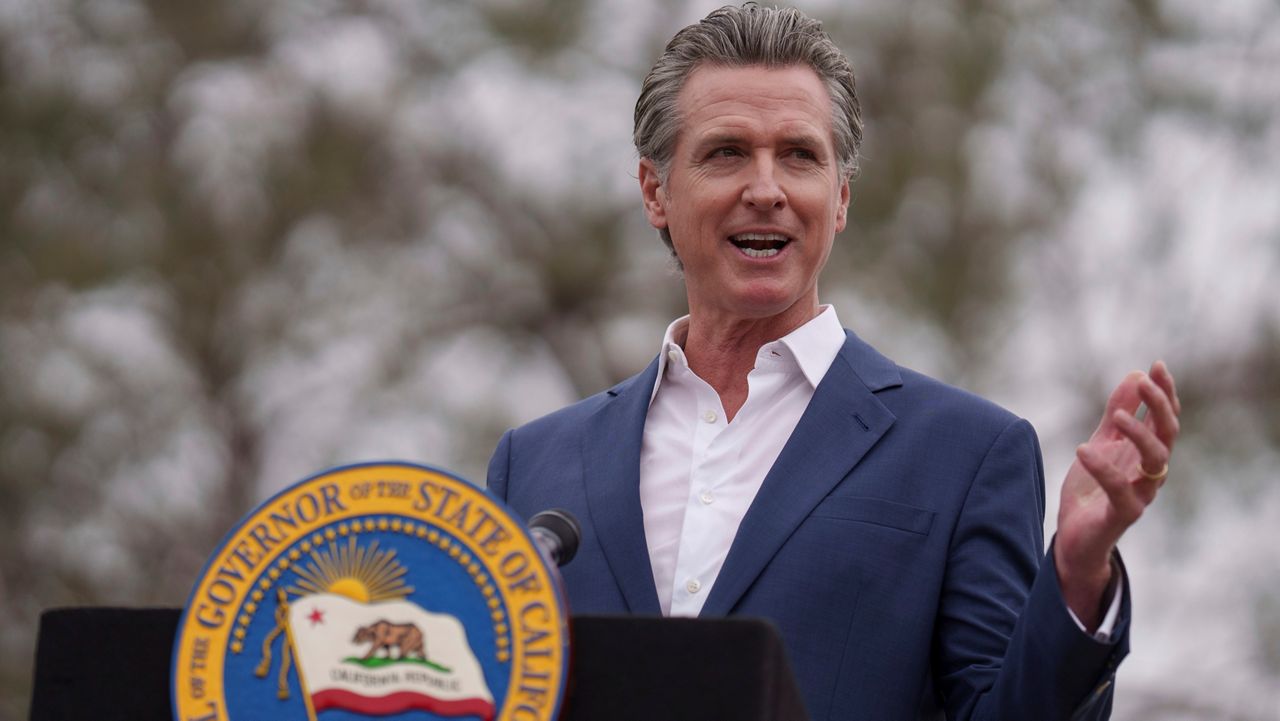
The outcome of the primary will determine who succeeds Gavin Newsom, who is barred by term limits from seeking a third term after winning re-election in 2022. Newsom has not endorsed any candidate in the race, maintaining neutrality as the field competes to replace him.
As Californians weigh their choices, the candidates’ differing approaches to economic opportunity, public safety, climate resilience, and governance style will shape the campaign’s final weeks. With early voting underway and the June 2 deadline approaching, the race remains fluid, with debates, endorsements, and voter outreach efforts set to influence the final outcome.
For ongoing updates on the California gubernatorial race, including candidate positions, debate schedules, and election results, voters can consult the California Secretary of State’s official elections website.