
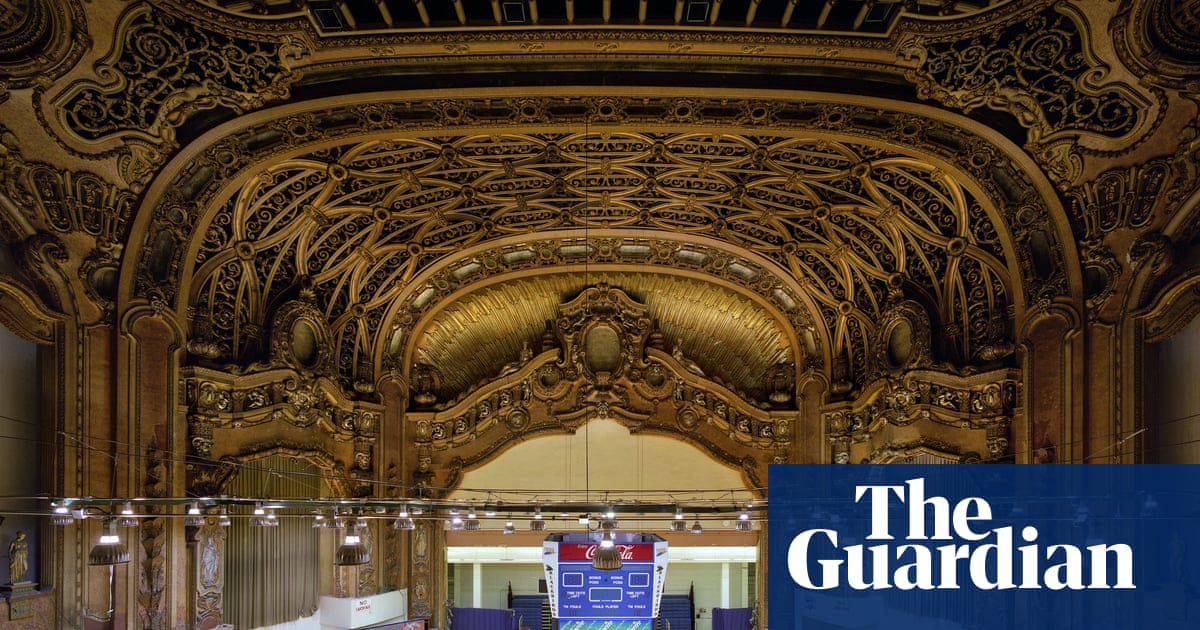
The velvet curtains are now heavy with dust, and the gilded moldings that once framed the dreams of thousands are peeling away in long, jagged strips. In the silence of an abandoned cinema, the only sound is the rhythmic drip of rainwater through a collapsed roof and the occasional scuttle of wildlife across a floor littered with decayed tickets and forgotten programs. These spaces, once the beating hearts of American downtowns, have transitioned from cathedrals of culture into haunting monuments of obsolescence.
The visual narrative of these decaying spaces has gained new life through a poignant photography project titled “Fade to black: inside the US’s abandoned movie theatres,” which captures the skeletal remains of the American cinematic experience. From the crumbling grandeur of the California Theater in Huntington Park to the hushed ruins of regional houses across the country, the images serve as more than just “ruin porn.” They are a sociological study of how the United States consumes art and how the physical architecture of community gathering has shifted over a century.
For a global audience, the sight of these abandoned movie theaters in the US represents a specific kind of American tragedy: the collision of rapid urban expansion, the ruthless efficiency of corporate consolidation, and the relentless march of technology. These theaters were not merely businesses; they were architectural statements of aspiration, designed to transport the working class into a world of luxury for the price of a ticket. Their current state of decay reflects the broader narrative of the American “Rust Belt” and the hollowing out of mid-century urban centers.
Understanding why these structures fell silent requires a look back at the “Golden Age” of the movie palace, a period when the theater was the primary destination for social life and the pinnacle of local architecture.
The Rise and Fall of the Movie Palace
Between the 1910s and the 1940s, the United States witnessed the era of the “Movie Palace.” These were not the utilitarian boxes we recognize today, but lavish, opulent buildings often inspired by European opera houses, Egyptian temples, or Spanish cathedrals. Architects were commissioned to create “atmospheric” theaters, using ceiling projections of stars and clouds to make patrons feel as though they were sitting in an outdoor courtyard in Seville or a garden in Persia.
These theaters served a critical social function. During the Great Depression, the cinema was an affordable escape, a place where the grandeur of the surroundings provided a temporary respite from economic hardship. The architecture was intentionally democratic; the luxury of the lobby and the plushness of the seats were available to anyone who could afford a nickel or a dime. This era established the cinema as a communal ritual, a shared experience that bound neighborhoods together.
The decline began not with a crash, but with a migration. Following World War II, the American landscape shifted toward suburbanization. As the middle class moved away from city centers, the massive downtown palaces became less accessible. The rise of television in the 1950s further eroded the monopoly of the cinema, bringing the moving image directly into the living room. To compete, the industry pivoted toward the “drive-in” theater, catering to the new car culture of the suburbs, and later, the multiplex.
The multiplex—a cluster of small, efficient screens under one roof—represented the industrialization of movie-going. While the movie palaces focused on the *experience* of being in a stunning space, the multiplex focused on the *efficiency* of choice and convenience. This shift rendered the massive, high-maintenance movie palaces economically unviable. The cost of heating, cooling, and repairing a 2,000-seat auditorium became a liability rather than an asset.
The Architecture of Obsolescence
The photography of abandoned theaters, such as the California Theater in Huntington Park, highlights a specific tension between permanence and fragility. These buildings were constructed with materials meant to last centuries—marble, limestone, and heavy steel—yet they are being reclaimed by nature with surprising speed. When a roof leaks in a theater, the damage is catastrophic; the heavy fabrics and ornate plasterwork act as sponges, accelerating the structural decay.
Repurposing these spaces is a notorious challenge for urban planners. The very features that made movie palaces magnificent—their vast, open interiors and specialized acoustics—make them challenging to convert into modern offices or residential units. Dividing a massive auditorium into smaller rooms often destroys the architectural integrity that makes the building worth saving. Many of these theaters sit in a state of “demolition by neglect,” where owners wait for the building to become structurally unsound enough to justify tearing it down for a parking lot or a modern retail complex.
However, the cultural loss extends beyond the physical. The disappearance of the single-screen neighborhood theater marked the end of a specific type of local curation. In the past, theater owners often had a personal relationship with their community, choosing films that resonated with the local demographic. The corporate nature of modern cinema chains has replaced this localized touch with a standardized, globalized distribution model.
The Allure of Urban Exploration and Documentation
The fascination with these ruins, often categorized under “Urban Exploration” (UrbEx), reflects a modern longing for authenticity in an increasingly digital world. In an age where movies are streamed on handheld devices, the physical ruins of the cinema remind us that art was once a physical, shared event. The photographs of peeling paint and rusted projectors evoke a sense of “hauntology”—the idea that the present is haunted by the ghosts of lost futures.

For the photographer, the abandoned theater is a study in light and shadow. The way a single beam of sunlight pierces through a hole in the ceiling to illuminate a row of rotting seats creates a powerful visual metaphor for the passage of time. It documents the transition from the “spectacle” of the film to the “spectacle” of the ruin. These images force the viewer to confront the temporary nature of human industry and the inevitable reclamation of the built environment by the natural world.
this documentation often serves as a catalyst for historic preservation. By bringing the hidden decay of these theaters into the public eye, photographers can spark community interest in saving what remains. In some US cities, grassroots movements have successfully lobbied to have abandoned theaters placed on the National Register of Historic Places, providing a layer of protection and opening the door for federal tax credits to fund restoration.
Key Factors in the Decline of US Movie Palaces
| Era | Primary Format | Driving Force of Change | Impact on Architecture |
|---|---|---|---|
| 1910s–1940s | Movie Palaces | Urban centralization & luxury branding | Opulent, single-screen “cathedrals” |
| 1950s–1960s | Drive-ins & TV | Suburbanization & home entertainment | Shift toward outdoor and domestic viewing |
| 1970s–1990s | Multiplexes | Corporate consolidation & variety | Utilitarian, multi-screen complexes |
| 2000s–Present | Streaming/Digital | On-demand technology & high-speed internet | Decline of physical theater attendance |
The Future of the Cinematic Space
As we look toward the future, the question remains: what happens to the remaining ruins? Some are being reimagined as “boutique” cinemas, where the luxury of the past is blended with modern amenities like gourmet dining and reclining seats. Others are being converted into performing arts centers or community hubs, preserving the shell of the building while updating the interior for multi-use purposes.
Yet, for many, the fate is inevitable. The cost of remediation—removing asbestos, repairing structural steel, and updating electrical systems to modern codes—often exceeds the potential market value of the restored building. The tragedy of the abandoned theater is that it is often too beautiful to tear down but too expensive to save.
The “Fade to black” series serves as a vital archive. If these buildings are eventually demolished, these photographs will be the only remaining evidence of the ambition and artistry that once defined the American cinematic experience. They remind us that the magic of the movies was not just in the images projected on the screen, but in the sanctuary that held the audience.
The next phase for many of these historic sites involves pending reviews by local historical societies and city planning commissions to determine which structures are eligible for preservation grants. As urban redevelopment continues to sweep through cities like Los Angeles and beyond, the window for saving these landmarks is closing.
Do you have a memory of a local theater that has since closed? We encourage you to share your stories and photos in the comments below to help document the disappearing landscape of cinema.