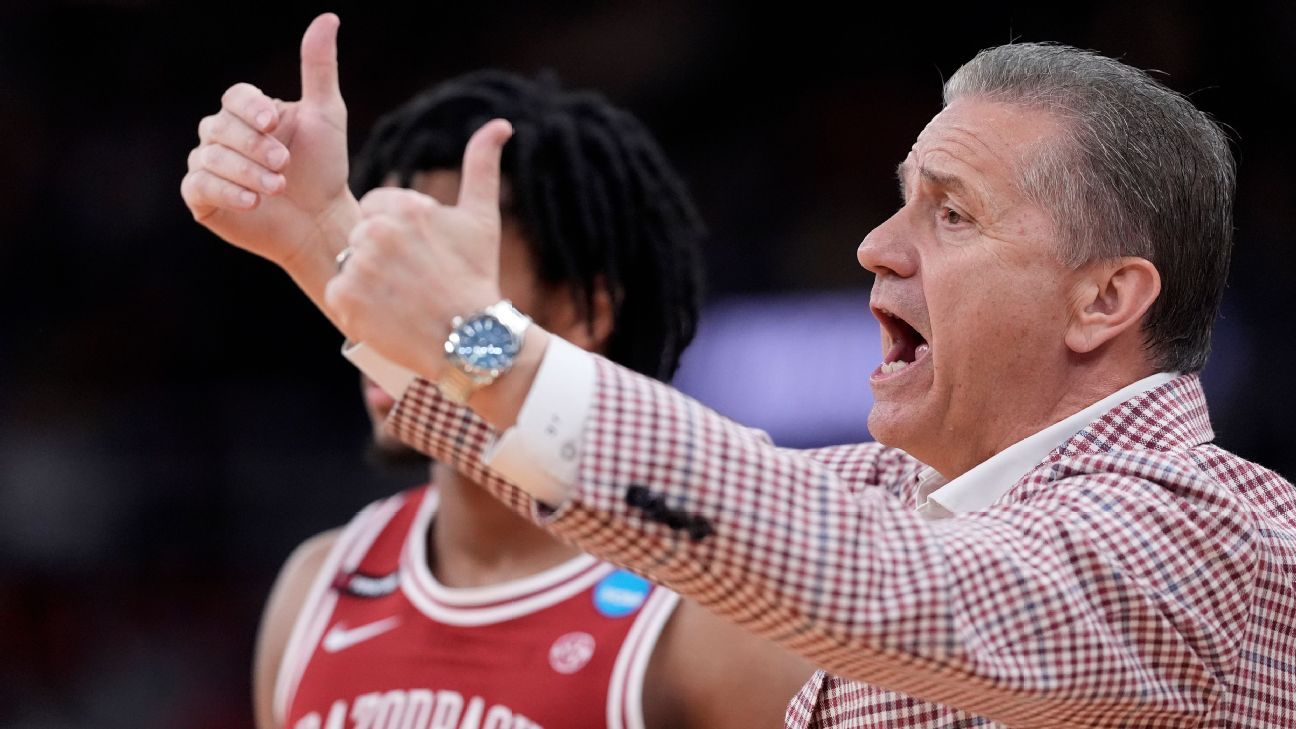
Navigating the New Landscape of College Basketball: Calipari‘s Stance on the Transfer Portal and the Future of Player-Coach Relationships
The college basketball landscape is undergoing a dramatic shift, largely fueled by the transfer portal. John Calipari, now at Arkansas, is offering a candid perspective on the challenges and potential pitfalls of this evolving system, and what it means for the future of the game. he’s not shying away from tough conversations about player loyalty, program stability, and the long-term well-being of student-athletes.
The Razorbacks’ Roster evolution
Arkansas has experienced both gains and losses in player personnel recently. Key additions, like highly-touted recruit Darius Acuff, have bolstered the roster. Simultaneously, the team saw valuable players like Boogie Fland (now at Florida) and Zvonimir Ivisic (now at Illinois) explore opportunities elsewhere via the transfer portal.
Calipari is taking a firm stance to mitigate further roster turnover.He’s clearly communicated to his players that entering the transfer portal signifies a permanent departure from the program. This isn’t about control, but about fostering a commitment to building something lasting.
A No-Return Policy and the “Transactional” Nature of Transfers
“If someone puts their name in the portal,you’re not coming back,” Calipari stated. He believes a reversal of that decision creates a transactional environment,undermining the foundation of team unity and long-term growth. This approach, while perhaps unpopular with some, reflects a desire to build a program based on sustained commitment.
He remains deeply passionate about coaching, and insists his connection with players is evident.Calipari emphasizes that his dedication hasn’t waned, and he’s focused on making positive changes for the next generation of coaches – including his son, Brad Calipari, an assistant at Arkansas.
Addressing Systemic Issues in College Basketball
calipari isn’t solely focused on his own program. He’s actively engaging with peers, like Houston coach Kelvin Sampson, to address broader issues within the sport. They recognize the need for reform to ensure a sustainable future for both players and coaches.
“We’ve got to fix some of this stuff before we’re out for our own children,” Calipari explained, highlighting the urgency of the situation.
The Importance of Relationships and the Risks of frequent Transfers
Ultimately, Calipari believes the core of successful coaching lies in building genuine relationships with players. He acknowledges the transfer portal offers immediate opportunities, but expresses concern about the long-term consequences of frequent school changes.
Here’s a breakdown of his concerns:
* Degree Completion: Multiple transfers substantially reduce the likelihood of earning a college degree.
* Loyalty and Connection: Bouncing between schools hinders the development of lasting relationships with coaches and teammates.
* Perception as a “Mercenary”: Frequent transfers can create a perception of players prioritizing short-term gains over long-term development and program loyalty.
He isn’t against players seeking better opportunities, but cautions against the dangers of becoming a “mercenary” with four schools in four years. Calipari believes that consistent movement ultimately harms the player’s development and future prospects.
Knowing When to step Away
Calipari understands that his continued involvement in the game hinges on his ability to forge meaningful connections with players. He knows he’ll recognize when it’s time to retire if he can no longer build those relationships.
For now,he remains committed to navigating this new era of college basketball,advocating for positive change,and guiding the next generation of student-athletes. he believes a balance between player empowerment and program stability is crucial for the future health of the sport.
Worth a look