
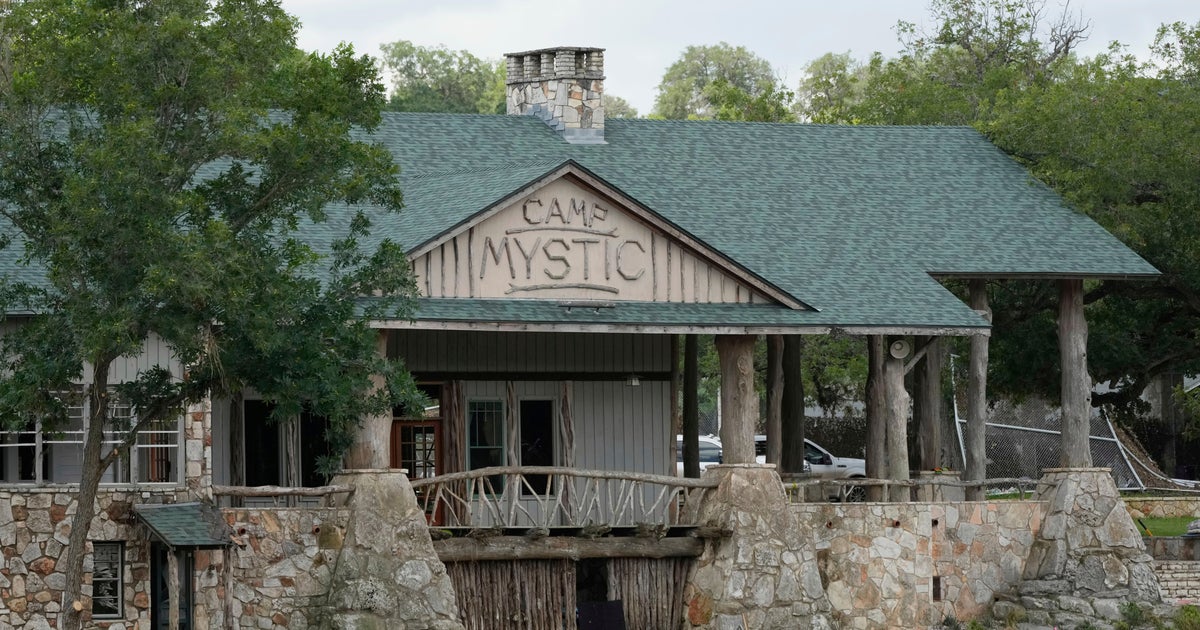
Camp Mystic, a long-standing private Christian girls’ camp in Kerr County, Texas, has officially withdrawn its Camp Mystic 2026 license application, confirming that the facility will not reopen for the upcoming summer season. The decision comes after months of intense regulatory scrutiny, legal challenges from grieving families, and mounting public pressure following a catastrophic flood that devastated the campus last year.
The withdrawal marks a significant turning point for the institution, which has been a fixture of Texas summer camping since 1926. Representatives for the camp indicated that the move follows a period of extreme instability as the organization struggled to meet the requirements of state health regulators while simultaneously facing a series of lawsuits related to the tragedy of July 2025.
This closure is not merely a matter of physical reconstruction but a reflection of a deeper crisis regarding safety protocols and administrative transparency. The camp’s failure to adhere to mandatory state reporting laws and an ongoing criminal investigation into potential neglect have left the organization in a position where reopening this year appeared untenable.
The July 2025 Tragedy and the Human Cost
The current crisis stems from a flash flood on July 11, 2025, which tore through the Central Texas region and struck the camp’s grounds near the confluence of the South Fork Guadalupe River and Cypress Creek. The event resulted in a staggering loss of life; reports indicate that at least 27 girls and counselors were killed in the disaster.

The scale of the loss has left the Kerrville community and the broader camping industry reeling. For the families of the victims, the tragedy was compounded by what they describe as a lack of transparency from the camp’s leadership in the immediate aftermath of the flood. The emotional weight of the event is centered heavily on the missing, including eight-year-old Cecilia “Cile” Steward, whose body has yet to be recovered from the flood-damaged areas of the property.
The Steward family has been a primary driver of the legal pressure against the camp, seeking to prevent the facility from reopening until a thorough forensic examination of the flooded areas is completed. Their legal team argued that reopening the camp and continuing reconstruction efforts could potentially destroy critical evidence necessary to determine exactly how the fatalities occurred and whether the camp’s emergency protocols were sufficient.
Regulatory Failures and the ’24-Hour’ Rule
A central pillar of the controversy involves a critical failure in administrative compliance. Under the Texas administrative code, summer camps are legally mandated to report any deaths on their premises to state health regulators within 24 hours of the occurrence. However, testimony provided in court revealed a shocking lapse in this protocol.
Mary Liz Eastland, the medical officer for Camp Mystic and a member of the family that owns and operates the camp, testified that she did not report the flood deaths to the state health agency within the required timeframe. During her testimony, Eastland stated, “I did not think of this requirement in the moments happening after the flood,” adding that the report had still not been filed even as the camp began its application process to reopen in March 2026 according to court records.
This admission has provided significant ammunition to lawmakers and parents who urged state regulators to block the camp’s license renewal. The failure to report deaths is viewed by critics not as a simple oversight, but as a systemic failure of leadership that calls into question the camp’s ability to ensure the safety of minors in its care.
Criminal Investigations and Allegations of Neglect
Beyond the administrative failures, Camp Mystic is currently the subject of a high-stakes criminal inquiry. The Texas Department of Public Safety has confirmed that the Texas Rangers have joined an active investigation regarding complaints of neglect during the July 2025 flood.
The investigation is reportedly analyzing hundreds of complaints filed by parents and survivors. The core of the inquiry focuses on whether the camp’s staff acted with due diligence in warning campers of the incoming floodwaters and whether the evacuation procedures were executed in a manner that met state safety standards. If the Texas Rangers find evidence of criminal negligence, the owners and staff could face significant legal penalties.
The intersection of a criminal probe and a license application created an impossible environment for the camp’s bid to return. State regulators are typically hesitant to grant operating licenses to facilities under active investigation for the very safety failures that led to mass casualties.
Key Factors Leading to the 2026 Closure
| Pressure Source | Primary Issue | Impact on License |
|---|---|---|
| Texas State Health Agency | Failure to report deaths within 24 hours | Regulatory non-compliance/License denial risk |
| Texas Rangers / DPS | Investigation into “complaints of neglect” | Legal instability and potential criminal charges |
| Steward Family Lawsuit | Preservation of evidence for missing child | Court-ordered restrictions on site access |
| Parental Advocacy | Mounting public and political pressure | Loss of institutional trust and viability |
What This Means for Summer Camp Safety in Texas
The Camp Mystic situation has sparked a wider conversation about the oversight of private summer camps in Texas. Unlike schools, which are subject to rigorous state and federal mandates, private camps often operate with a degree of autonomy that critics argue is insufficient when dealing with high-risk environments, such as those prone to flash flooding.

Industry experts suggest that this case may lead to a tightening of the Texas administrative code, particularly regarding the reporting of “sentinel events”—unexpected occurrences involving death or serious physical or psychological injury. The fact that a camp official could “forget” a 24-hour reporting mandate during a mass-casualty event suggests a need for more stringent training and perhaps more aggressive auditing by state health agencies.
For the families affected, the withdrawal of the Camp Mystic 2026 license application provides a temporary sense of justice, ensuring that the site remains a scene of investigation rather than a place of recreation. However, the underlying questions regarding accountability and the prevention of future tragedies remain unanswered.
Next Steps and Checkpoints
While the camp will not open this summer, the legal and criminal proceedings are far from over. The next critical checkpoint will be the progression of the lawsuit filed by the family of Cecilia Steward, specifically regarding the court’s decision on the temporary closure and preservation of the flooded areas as evidence. The public awaits the final report from the Texas Rangers and the Department of Public Safety regarding the neglect investigation.
We will continue to monitor the state health agency’s filings and any future attempts by Camp Mystic to seek licensure for the 2027 season.
Do you believe state regulations for summer camps are sufficient to protect children during natural disasters? Share your thoughts in the comments below or share this report to keep the conversation on camp safety alive.