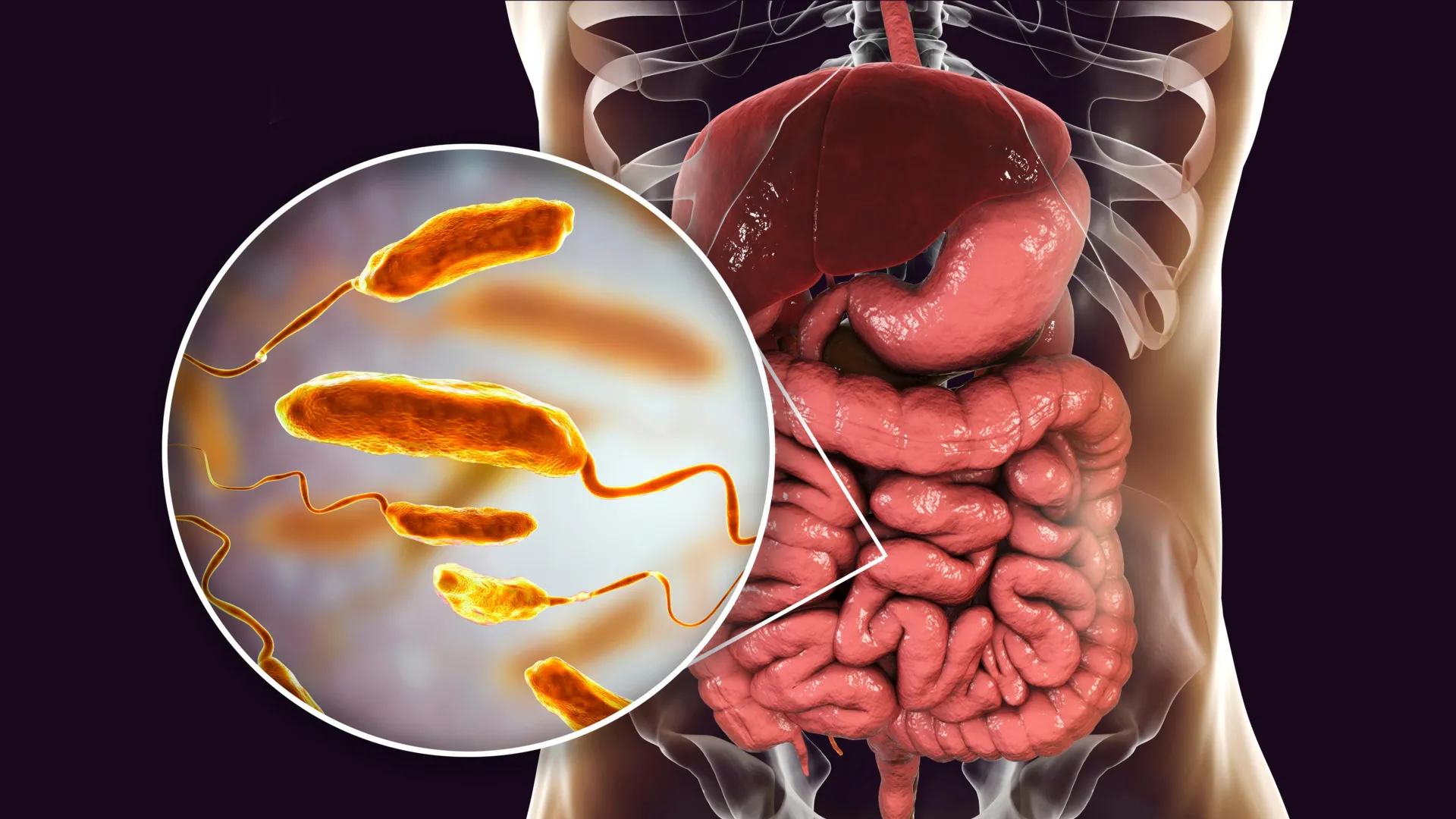
Recent research suggests that dietary choices may play a far more significant role in combating cholera than previously understood. In a development that could shift perspectives on public health interventions, scientists have identified that specific dietary proteins can drastically inhibit the ability of cholera bacteria to establish an infection in the human gut.
The findings indicate that a targeted diet to reduce cholera infections, specifically one rich in certain proteins, could potentially slash infection levels by up to 100 times. This discovery highlights a critical intersection between nutrition and infectious disease management, offering a new lens through which to view the prevention of this deadly diarrheal disease.
Research led by the University of California, Riverside has demonstrated that a high-protein diet can act as a defense mechanism against cholera infection. The study suggests that the composition of what we eat can fundamentally alter the environment of the gut, making it less hospitable for the bacteria that cause the disease.
The Role of Casein and Wheat Gluten
Not all proteins provide the same level of protection. The research specifically identifies proteins found in common dietary sources as potent defenses against cholera. Casein, a primary protein found in dairy products, and gluten, derived from wheat, have been singled out for their ability to reduce the bacteria’s effectiveness.

According to reports from thebrighterside.news, these specific proteins are identified as potent defenses that hinder the bacteria’s ability to take hold. By incorporating these proteins, the gut environment is modified in a way that limits the proliferation of the pathogen.
Disabling the Bacterial ‘Weapon’
The mechanism behind this dietary protection involves the disruption of the bacteria’s offensive strategies. Cholera bacteria typically utilize a specific “weapon”—a biological tool used to attack other microbes within the gut—to eliminate competition and dominate the intestinal environment.
The presence of casein and wheat gluten appears to disable this weapon. By neutralizing the bacteria’s ability to attack other microbes, these proteins prevent the cholera bacteria from dominating the gut microbiome. When the bacteria cannot clear out competing microbes, their ability to cause a full-scale infection is severely compromised, which is how infection levels can be reduced by as much as 100x, as noted by ScienceDaily.
Key Takeaways on Dietary Cholera Defense
- High-Protein Efficacy: A high-protein diet can significantly defeat cholera infections.
- Specific Proteins: Casein (dairy) and wheat gluten are the primary proteins identified as protective.
- Infection Reduction: In some cases, these dietary proteins can cut infection levels by up to 100 times.
- Mechanism: The proteins disable the bacteria’s ability to attack other gut microbes, preventing the pathogen from dominating the gut environment.
Public Health Implications
For global health officials, this research opens new avenues for preventative care, particularly in regions where cholera remains endemic. Even as clean water and sanitation are the primary defenses against the disease, understanding how nutrition influences susceptibility provides an additional layer of protection.
The ability to leverage common dietary proteins like those found in wheat and dairy could potentially be integrated into nutritional support programs to enhance the resilience of vulnerable populations against diarrheal diseases.
As medical science continues to explore the relationship between the gut microbiome and infectious diseases, these findings underscore the importance of nutrition not just for general health, but as a targeted tool in the fight against bacterial infections.
Further official updates and clinical applications of these dietary findings are expected as research continues to move from laboratory settings to broader public health strategies. We will continue to monitor the developments from the University of California, Riverside and other leading health institutions.
Do you think dietary interventions should be integrated into global cholera prevention strategies? Share your thoughts in the comments below or share this article with your network.
Keep reading