
The Cuban government faces a complex economic reality as it navigates ongoing United States trade restrictions, a situation that continues to shape the island’s domestic stability and international relations. As of mid-2026, the intersection of long-standing U.S. policy and Cuba’s internal economic management remains a primary focal point for global observers and policymakers monitoring the Caribbean region.
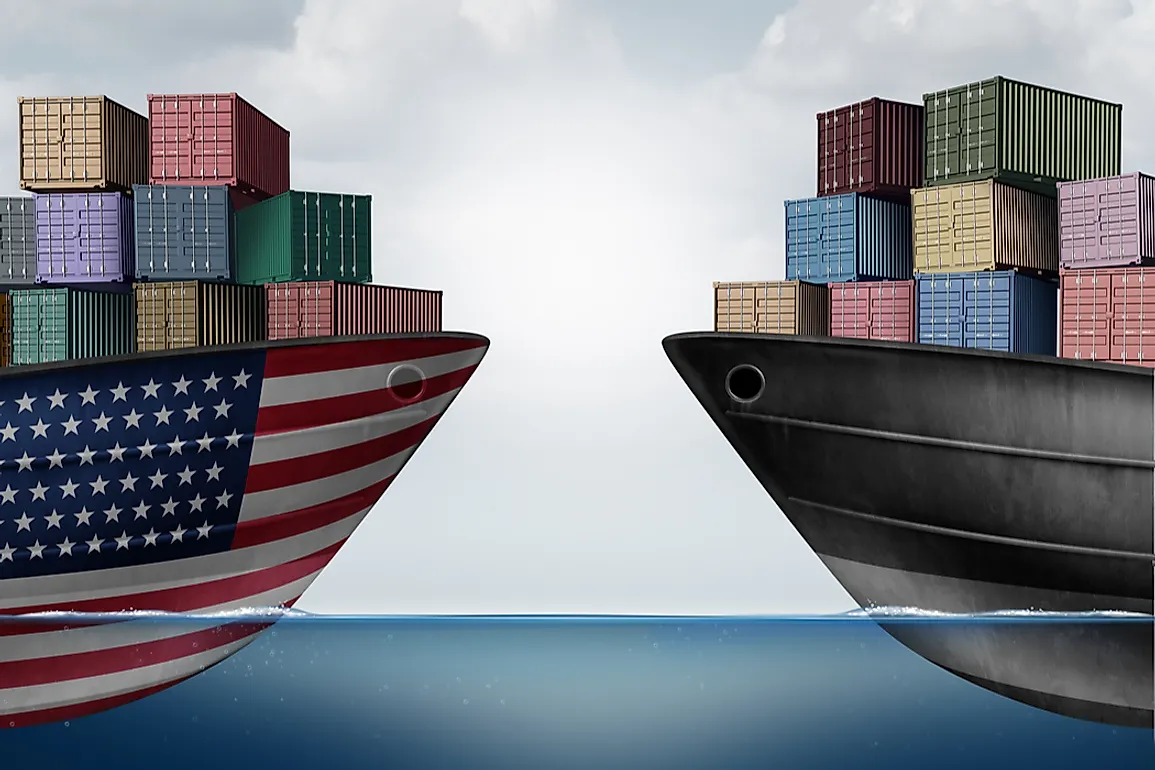
For decades, the U.S. embargo—often referred to in international legal contexts as the blockade—has functioned as a central pillar of American foreign policy toward Havana. This multifaceted framework, rooted in the Foreign Assistance Act of 1961 and the Cuban Democracy Act of 1992, limits commercial, economic, and financial transactions between the two nations. According to the Congressional Research Service, these measures have evolved through various executive orders and legislative acts, creating a highly restrictive environment for Cuban state-run enterprises and private actors alike.
Economic Pressures and the Embargo
The core of the economic friction lies in the extraterritorial reach of U.S. sanctions, which penalize foreign companies that conduct business with designated Cuban entities. This policy, codified under the Helms-Burton Act of 1996, allows for legal actions against foreign firms “trafficking” in property confiscated by the Cuban government after 1959. As documented by the U.S. Department of State, these regulations are designed to exert pressure on the Cuban leadership by restricting access to international capital markets and essential trade routes.
Domestically, the Cuban government has attempted to mitigate these pressures through a series of reforms aimed at decentralizing the economy. However, analysts note that the dual impact of restricted foreign currency inflows and the lingering effects of the COVID-19 pandemic has strained the island’s capacity to import basic goods, including fuel and medical supplies. The fragility of this system is often exacerbated by the volatility of global commodity prices, which directly affects the cost of living for the Cuban population.
The Role of International Trade and Diplomacy
While the United States maintains its restrictive stance, Cuba continues to seek economic partnerships with other global powers, including China, Russia, and several European Union member states. These relationships serve as a vital, albeit insufficient, lifeline for the Cuban economy. The United Nations General Assembly has consistently voted by overwhelming margins to call for an end to the U.S. embargo, highlighting a significant divide between Washington’s policy and the consensus of the international community.
For the Cuban administration, the challenge is not only external but also structural. The transition toward a more mixed economy, involving the legalization of small and medium-sized enterprises (known as mipymes), represents an attempt to diversify revenue streams. Nevertheless, the success of these initiatives is heavily contingent on the availability of credit and the stability of the Cuban peso, both of which are severely impacted by the lack of access to U.S.-dominated financial systems like SWIFT.
Human Impact and Future Outlooks
The human cost of these economic dynamics is a subject of intense debate. Public health officials and humanitarian organizations have frequently raised concerns regarding the impact of sanctions on the medical sector. While the U.S. government maintains that there are humanitarian exemptions for food and medicine, the complexities of the licensing process often create significant hurdles for Cuban hospitals attempting to procure specialized equipment or pharmaceuticals. According to the World Health Organization, maintaining a robust public health infrastructure requires consistent access to global supply chains, which remains a consistent struggle for the island.
Looking ahead, the next significant checkpoint for this policy landscape will likely be the periodic review of U.S. executive orders regarding national emergency powers, which typically occur on an annual basis. Observers will also be watching for any potential changes in U.S. legislative priorities following upcoming electoral cycles, which could signal either a continuation of current strategies or a shift toward renewed engagement.
The resilience of the Cuban economy remains under constant evaluation by international financial institutions and regional observers. As the situation evolves, transparency in reporting and a nuanced understanding of both U.S. legal mandates and the realities on the ground in Cuba will be essential for those seeking to understand the future of this enduring geopolitical standoff.
What are your thoughts on the impact of economic sanctions on regional stability? Share your perspective in the comments section below.