
In a significant shift for South Korean debt markets, the benchmark three-year government bond yield reached 3.951% during intraday trading on June 8, 2026. This figure marks the highest level for the three-year treasury note since November 2023, reflecting a notable tightening in market sentiment and shifting expectations regarding domestic monetary policy.
The movement in bond yields serves as a critical barometer for the broader financial landscape, signaling how investors are pricing in future interest rate trajectories and economic growth prospects. For individual and institutional investors alike, this development underscores the volatility currently present in fixed-income markets as the Bank of Korea continues to navigate a complex macroeconomic environment.
Understanding the Rise in Government Bond Yields
Yields on government securities, such as the three-year treasury note, generally move inversely to bond prices. When investors sell off bonds, prices drop and yields rise. The climb to 3.951% indicates a sustained period of selling pressure, often driven by concerns over persistent inflation or potential adjustments to the base interest rate. According to the Bank of Korea’s official monetary policy framework, the central bank maintains a mandate to ensure price stability, which often influences how market participants position their portfolios in anticipation of future rate decisions Bank of Korea Official Website.
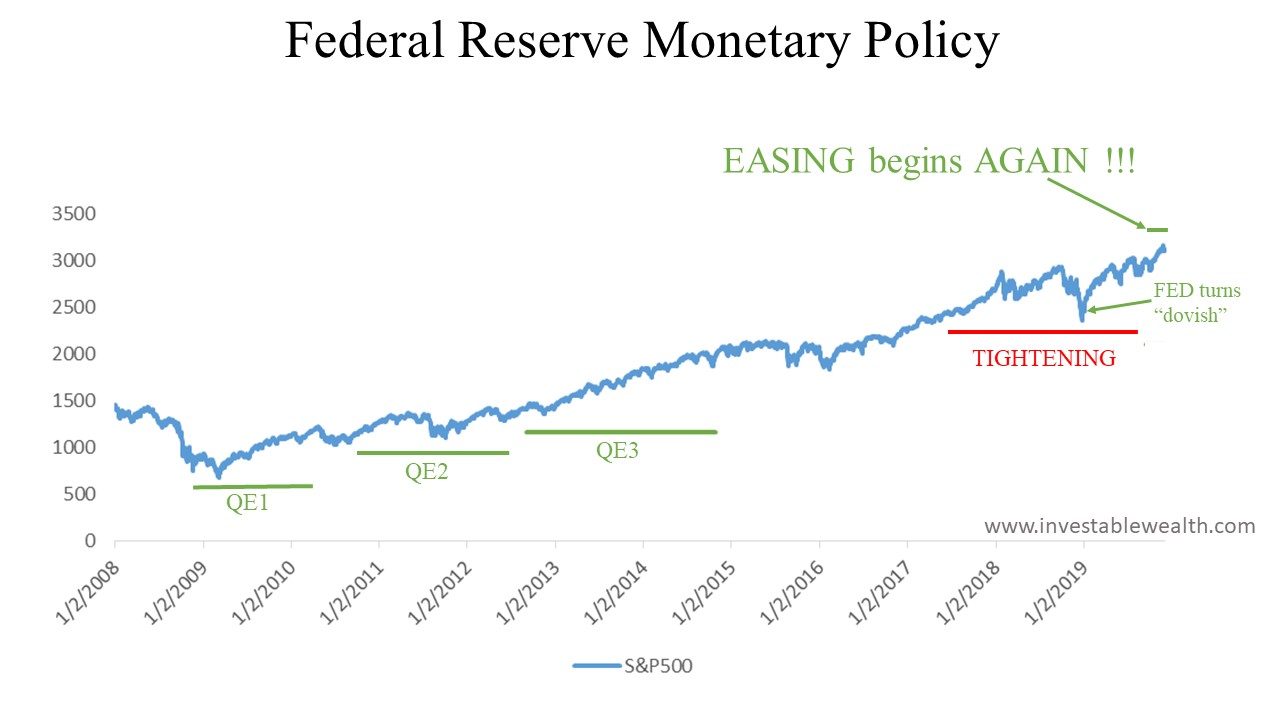
Historically, when the three-year yield hits multi-month highs, it often reflects a market consensus that interest rates may remain elevated for longer than previously anticipated. Since November 2023, the financial markets have been adjusting to changing signals from both domestic regulators and global economic trends, including shifts in U.S. Federal Reserve policy which often exert upward pressure on sovereign bond yields worldwide Federal Reserve Monetary Policy Overview.
What This Means for the Economy
The impact of rising treasury yields is felt far beyond the bond market. Because government bonds serve as the “risk-free” benchmark for the economy, their yields directly influence the cost of borrowing for corporations and households. As the three-year yield rises, the interest rates on corporate bonds and bank loans—which are often pegged to these benchmarks—typically track upward as well.
For South Korean businesses, higher yields mean increased financing costs for capital expenditures and day-to-day operations. This can lead to a cooling effect on private sector investment. According to data provided by the Korea Financial Investment Association, changes in benchmark yields serve as a leading indicator for retail mortgage rates and corporate lending standards, directly affecting the liquidity available in the domestic market Korea Financial Investment Association.
Looking Ahead: Market Volatility and Policy Responses
Market participants are now closely monitoring the next scheduled meetings of the Bank of Korea’s Monetary Policy Board. These meetings are the primary venue where policymakers assess whether current interest rate levels are sufficient to manage inflation or if further tightening is required to anchor expectations. The rapid rise in the three-year yield suggests that traders are increasingly hedging against the possibility of a hawkish pivot or a delayed easing cycle.
Investors should look for upcoming statements from the central bank regarding the “neutral rate” and the outlook for economic growth in the latter half of 2026. Official updates, including minutes from policy meetings and quarterly economic outlook reports, remain the most reliable sources for understanding the underlying factors driving these yield fluctuations. As the market digests these developments, volatility in fixed-income assets is expected to persist, requiring cautious risk management from those holding long-duration debt instruments.
Market updates regarding bond market trends and interest rate decisions can be tracked through the Bank of Korea’s official disclosure channels. We encourage readers to join the conversation below by sharing their perspectives on how these yield shifts are impacting their own financial planning or business operations.
Related reading
- BAG: Rechtliche Fallstricke bei der Zustellung von Kündigungen
- Sudan Conflict: El Obeid Women Face Deadly Choice for Water Between Drone Strikes and Sexual Violence
- US Average 30-Year Mortgage Rate Hits One-Year High of 6.58% (archyde.com)
- China’s US Treasury Holdings: A Tool to Dismantle the Dollar (newsdirectory3.com)