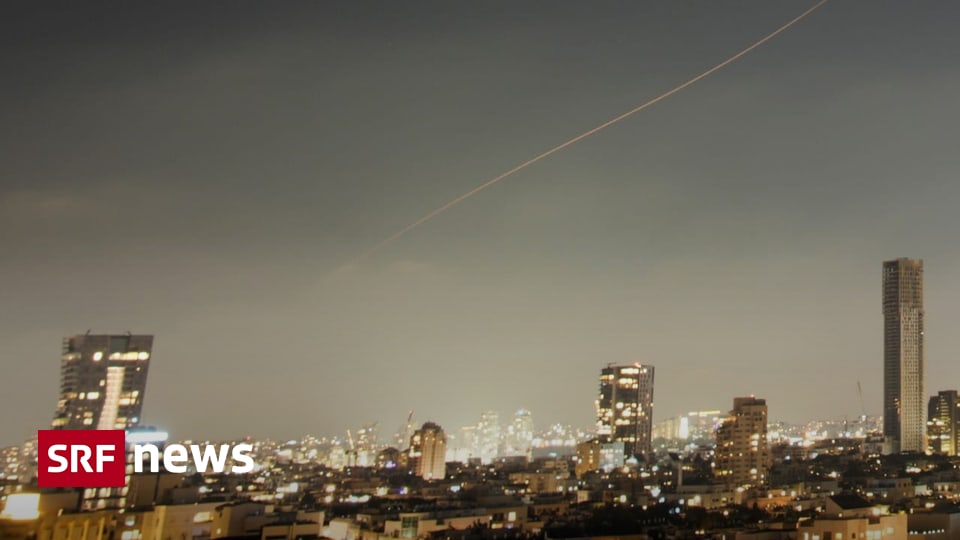
Recent escalations in the Middle East have seen renewed direct military engagement between Iran and Israel, heightening regional security concerns. As of June 2026, the two nations have exchanged missile fire, marking a significant intensification in hostilities following ongoing regional tensions. According to reports from Al Jazeera, the exchange follows a series of strikes in Beirut, prompting both governments to trade direct threats as they navigate a volatile security environment.
The latest developments represent a shift in the status quo, as both Tehran and Israel engage in active missile launches. This cycle of violence has drawn international attention, with observers monitoring the potential for further destabilization in Lebanon and the broader Levant. The situation remains fluid, characterized by rapid shifts in military posturing and public rhetoric from officials on both sides.
Understanding the Current Military Stance
The recent missile activity occurs against a backdrop of long-standing regional friction. While specific tactical details remain subject to ongoing military assessment, the exchange of fire underscores the fragility of existing de-escalation efforts. As reported by Al Jazeera, the direct nature of these missile launches—rather than through regional proxies—highlights a departure from previous patterns of engagement.
For observers tracking the conflict, the primary concern remains the risk of miscalculation. Analysts note that when direct strikes occur between these two regional powers, the window for diplomatic intervention narrows significantly. The current environment is marked by high-alert status across various defense sectors, with both nations signaling readiness for prolonged engagement should the exchange continue.
Regional Implications and Diplomatic Challenges
The impact of these events extends well beyond the immediate theater of operation. The ongoing tension poses a direct challenge to stability in Lebanon and neighboring territories, where the influence of both Tehran and Israeli security policy is deeply felt. Diplomatic channels, often strained, are currently under immense pressure to prevent a full-scale regional conflict.
The international community continues to call for restraint, though direct communication between the primary actors remains limited. Historical precedents for such escalations suggest that without a clear framework for negotiation, the threat of unintended expansion remains a central feature of the current security landscape. As the situation evolves, the focus for policymakers is shifting toward containment and the mitigation of broader humanitarian impacts.
What Happens Next
As of June 8, 2026, there is no scheduled timeline for a diplomatic resolution to the current cycle of missile exchanges. Both the Iranian government and Israeli officials have maintained a posture of deterrence, with each side warning of further consequences if targeted strikes persist. The next phase of this crisis will likely be determined by the scale of the next military response and the effectiveness of behind-the-scenes diplomatic mediation.
Readers are encouraged to monitor official government statements and verified news updates for the latest information on regional security. We will continue to track these developments as more information becomes available. If you have thoughts on the impact of these regional tensions, please share your perspective in the comments section below.
Related reading