
Canada is currently recalibrating its economic strategy with the United States, shifting its focus toward a model that prioritizes both resilience and strategic autonomy. As the two nations navigate an interconnected trade landscape, federal officials are evaluating how to balance long-standing integration with the need to protect domestic interests in an evolving global market.
The Canadian government, led by Prime Minister Mark Carney, continues to manage a complex relationship defined by the longest international land border in the world. With an economy that relies heavily on international trade, Ottawa is balancing its pursuit of a stable, secure partnership with Washington while maintaining the economic sovereignty of its provinces and territories, according to the official Government of Canada portal.
The Evolution of the Canada-U.S. Trade Relationship
The economic ties between Canada and the United States are deeply rooted in historical trade agreements and geographic proximity. As of 2026, Canada remains a global economic player with a nominal GDP estimated at $2.507 trillion, a figure that underscores the scale of its industrial and commercial output. This economic structure is anchored by diverse sectors including energy, agriculture, and manufacturing, all of which are primary components of the cross-border trade flow, as noted in recent data from the Government of Canada.
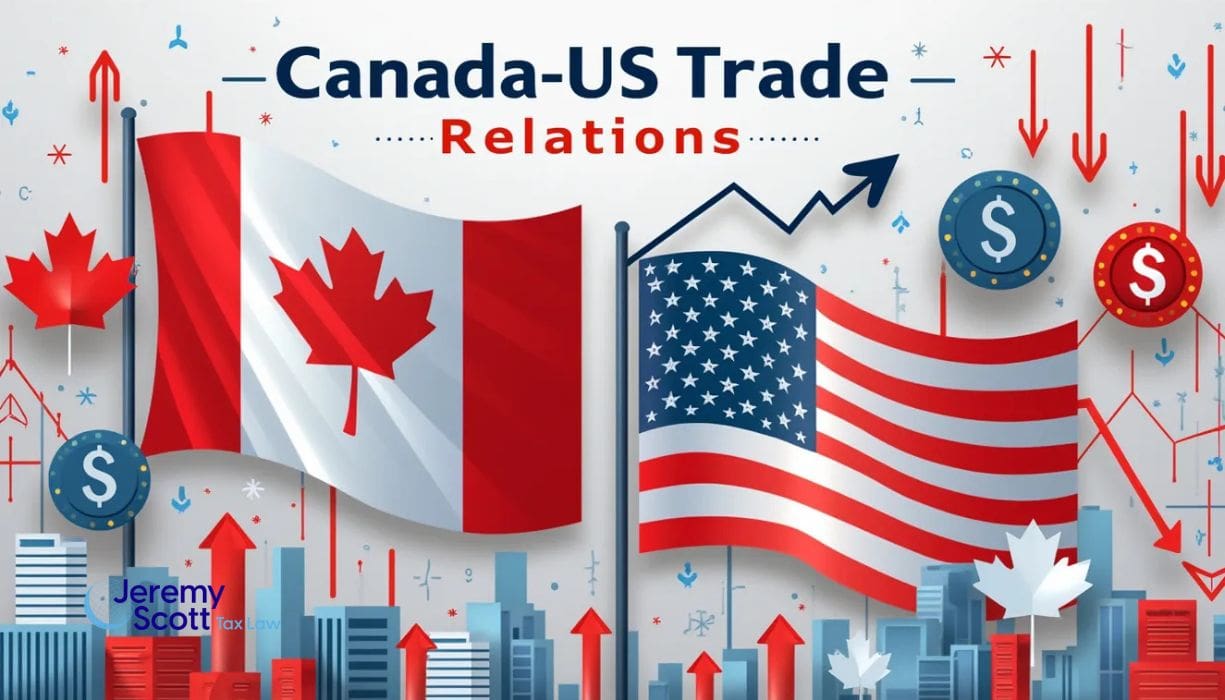
For decades, the strategy of “diversification” has been a consistent theme in Canadian foreign policy. By expanding trade partnerships beyond the United States, Ottawa has sought to mitigate risks associated with over-reliance on a single market. However, the sheer volume of trade with the U.S. means that adjustments in Washington’s trade policies—ranging from tariff changes to industrial subsidies—directly impact the Canadian labor market and the stability of its financial services sector. The current administrative approach emphasizes the necessity of maintaining a predictable and rules-based environment to support the approximately 41.5 million people residing in Canada, based on the most recent 2025 population estimates.
Strategic Autonomy in an Interconnected Economy
The push for greater autonomy is not a departure from the U.S. alliance, but rather a strategic response to global instability and supply chain vulnerabilities. By strengthening domestic manufacturing and investing in internal infrastructure, Canada aims to insulate its economy from external shocks. This approach aligns with broader efforts to leverage Canada’s natural resources, which remain a cornerstone of its economic strength, according to information provided by the Government of Canada.
This shift is particularly evident in how the government approaches energy security and the transition to sustainable industries. As Canada seeks to maintain its position as a key global supplier, the federal government is prioritizing the development of national supply chains that can withstand shifts in international demand. These efforts are monitored through various federal departments that oversee trade, labor, and taxation, ensuring that domestic policy remains aligned with the country’s long-term economic objectives.
What Happens Next for Cross-Border Commerce
Looking ahead, the next phase of the Canada-U.S. trade relationship will likely be defined by ongoing negotiations regarding trade protocols and environmental standards. Canadian officials have indicated that they will continue to advocate for a collaborative approach that recognizes the integrated nature of the North American supply chain. For businesses and stakeholders, the primary focus remains on the updates provided through the official Government of Canada website, which serves as the central hub for policy changes, trade advisories, and regulatory filings.
As the geopolitical landscape shifts, the Canadian government is expected to continue its focus on strengthening domestic industrial capacity while engaging in high-level discussions with U.S. counterparts to ensure that trade remains fluid. Readers interested in the latest official updates on trade policy and international agreements can monitor the Government of Canada’s newsroom for upcoming announcements and policy papers. We welcome your thoughts on how these strategic shifts might impact the broader North American economy; please share your comments below.
Worth a look
- Ceuta: The Spanish Peninsula in Morocco and Migrant Tensions
- Thailand Deports Chinese Dissident Zhan Lingyu, Raising Fears of Beijing’s Growing Control
- LA Dodgers Trade Rumors: Blake Snell And Deadline Targets (news-usa.today)
- Adidas Shares Plunge Despite Ambitious World Cup Marketing Strategy (world-today-news.com)