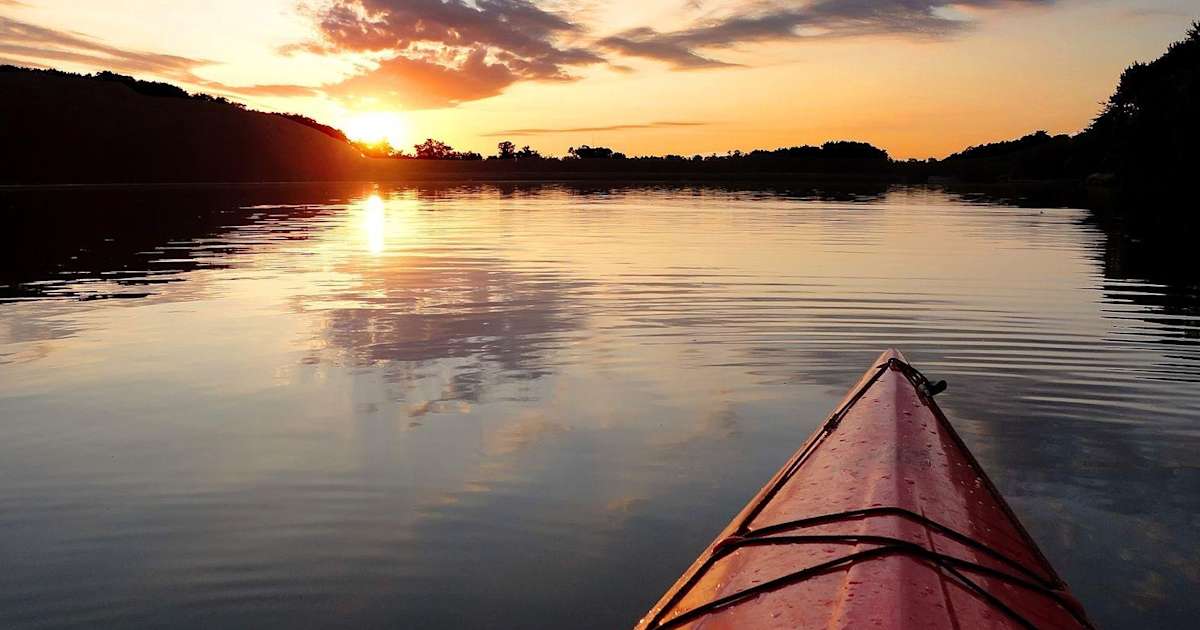
Switzerland offers some of the most spectacular kayak spots in Europe, characterized by turquoise glacial waters and dramatic Alpine panoramas. Whether for experienced paddlers looking for a challenge or beginners seeking calm, accessible routes, the Swiss landscape provides a diverse range of environments for water-based exploration. According to official tourism data from Switzerland Tourism, the country’s extensive network of lakes and rivers serves as a cornerstone for outdoor recreation, maintaining high standards for water quality and environmental safety.
For those planning a trip, the key is understanding the seasonal nature of these waterways. Water temperatures in high-altitude lakes, such as those fed by glacial melt, remain cold throughout much of the year, necessitating appropriate gear. The Swiss Federal Office for the Environment provides real-time monitoring of water levels and flow rates across major rivers, which is essential for ensuring safety during any paddling excursion.
Navigating Swiss Waters: Essential Safety and Regulations
Safety is the primary consideration when kayaking in Switzerland. The Swiss Lifesaving Society (SLRG) emphasizes that all paddlers must be equipped with personal flotation devices (PFDs) and should be aware of local navigation rules, particularly on larger lakes where commercial shipping and ferry traffic take precedence. Understanding these regulations is not just a suggestion; it is a requirement for maintaining the safety of both recreational paddlers and maritime transport operators.
Furthermore, paddlers should consult the official guidelines regarding environmental protection. Many of Switzerland’s most pristine water bodies are protected zones. Information on restricted areas and protected habitats can be verified through the Swiss Federal Office for the Environment’s portal, which outlines specific zones where water access is prohibited or regulated to conserve local biodiversity.
Top Locations for Every Skill Level
The variety of locations across the cantons allows for a tailored experience. Lake Brienz, known for its striking turquoise color caused by glacial silt, is frequently cited as a premier destination for both leisure and photography. On the other end of the spectrum, the Ticino region offers rivers that attract those seeking more technical white-water experiences. According to the Swiss Canoe Federation, the variety in topography ensures that paddlers can match their skill level to specific river classifications, ranging from Class I (easy) to Class V (extremely difficult).
When selecting a route, consider the accessibility of launch points. Many of Switzerland’s most popular lakes feature designated “Kanu-Einstiegsstellen” (canoe entry points) that are integrated into the public transport network. This connectivity allows paddlers to utilize the Swiss Federal Railways (SBB) to reach remote locations without the need for a private vehicle, a hallmark of sustainable tourism in the region.
The Importance of Gear and Preparation
Preparation extends beyond choosing a destination. Because of the rapid weather changes common in Alpine regions, paddlers are encouraged to check the MeteoSwiss weather reports before heading out. High winds can develop quickly on large lakes, creating hazardous conditions for small craft. Experts recommend wearing thermal layers, even in summer, as the water temperature in many Swiss lakes rarely exceeds 20 degrees Celsius during the peak season.
For those new to the sport, hiring a local guide or participating in a supervised tour is highly recommended. These services provide not only the necessary equipment but also local knowledge regarding currents and hidden obstacles that may not be apparent on standard maps. Engaging with local authorized instructors ensures that visitors adhere to safety protocols while gaining a deeper appreciation for the unique aquatic ecosystems of the Swiss Alps.
Next Steps for Your Adventure
As the summer season approaches, local authorities typically release updated navigation maps and safety advisories. Paddlers should monitor the official Switzerland Tourism website for the latest information on seasonal restrictions and regional events. Whether you are planning a day trip or a multi-day expedition, ensuring your knowledge of local conditions is current will make for a rewarding experience.
Have you explored the waterways of the Swiss Alps? We invite you to share your experiences or ask questions about specific routes in the comments section below. For further updates on outdoor sports and regional travel, stay tuned to our upcoming features on European adventure tourism.
Keep reading