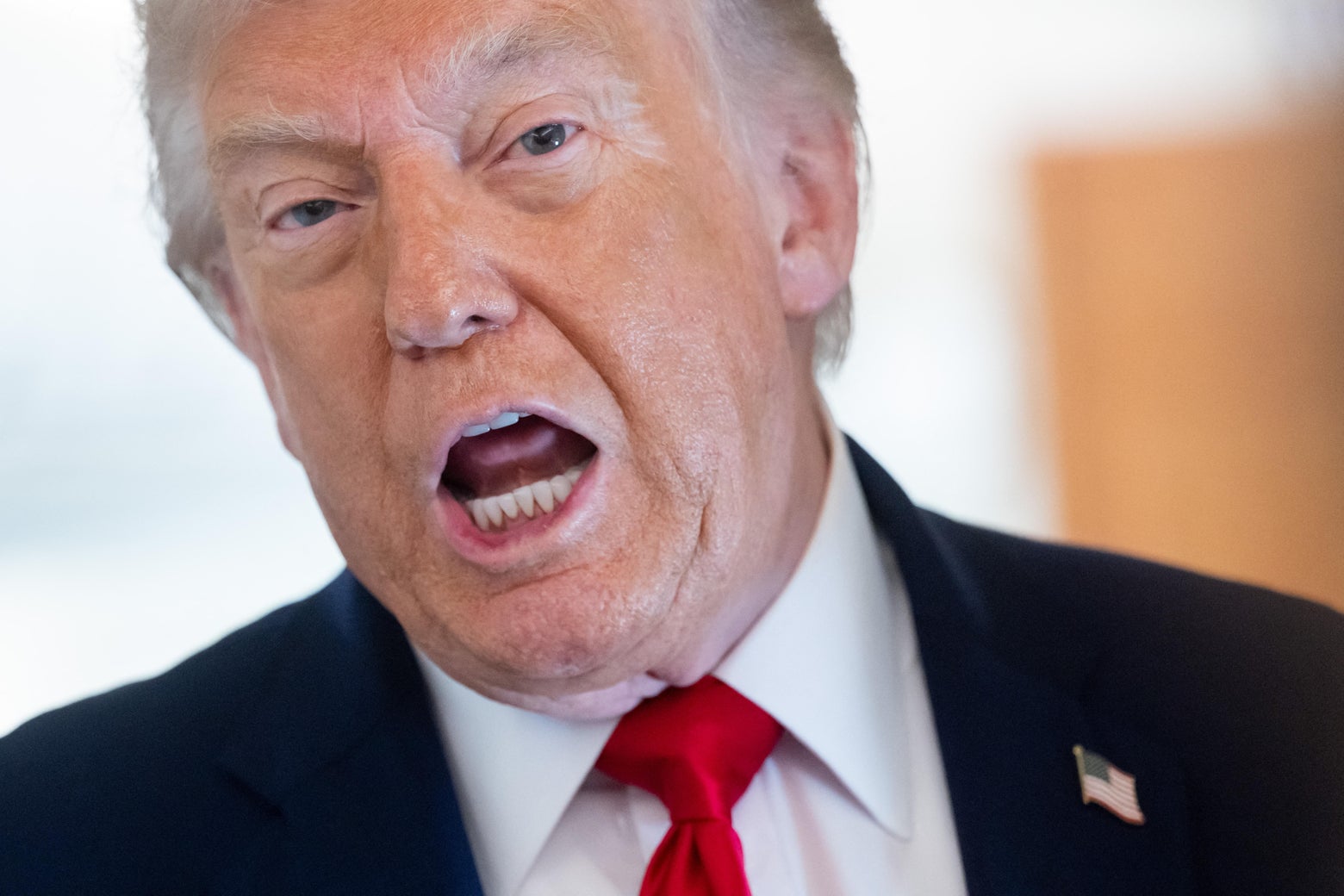
President Donald Trump’s recent interactions with the press and his ongoing policy initiatives are prompting global observers to evaluate the shifting influence of the United States on the international stage. As the 47th president continues to navigate domestic friction, including disputes over executive authority and election integrity, international analysts are increasingly assessing whether these internal challenges are diminishing American diplomatic and economic relevance.
The current administration’s approach to governance has been marked by a series of high-profile confrontations, most recently illustrated when President Trump walked out of an interview with NBC News’ Kristen Welker. The exchange, which aired on Sunday, June 7, 2026, centered on the president’s proposal for a $1.8 billion “anti-weaponization” fund—an initiative that has faced significant scrutiny over concerns it could be used to support individuals involved in the January 6, 2021, attack on the U.S. Capitol, according to reporting by TIME.
Executive Authority and Domestic Policy Friction
The proposed “anti-weaponization” fund remains sidelined amid criticism regarding its intended use. During the interview, President Trump was questioned about his decision to pardon 172 individuals who had pleaded guilty to assaulting police officers during the Capitol riot. When challenged on the lack of evidence for his claims that the FBI ushered rioters into the building, the president maintained his stance without providing specific documentation, as noted in the TIME report.

These domestic tensions are occurring against a backdrop of complex electoral debates. In California, for instance, the ongoing vote-counting process for state races has drawn sharp criticism from the president, who has characterized the process as “rigged.” This rhetoric has drawn direct pushback from media figures and local officials, further highlighting the divide between the administration’s narrative and institutional processes, according to accounts from TIME.
Global Power Dynamics and Diplomatic Recalibration
The perception of the United States as an increasingly irrelevant power is often tied to how the administration balances domestic political messaging with international obligations. While the president has maintained a platform centered on “no new wars,” his administration’s actions—including potential diplomatic engagements with Taiwan—have drawn warnings from global actors, such as China. These maneuvers represent a significant departure from traditional diplomatic norms, creating uncertainty among long-standing allies, as documented by the Associated Press.
Furthermore, the administration’s focus on internal policy, such as the construction of ballrooms and debates over nuclear energy milestones, occupies a large share of the current political discourse. As the Energy Department reports progress on advanced nuclear reactor technology, the administration’s ability to project stable global leadership is frequently tested by its domestic controversies, according to updates from the Associated Press.
The Impact on Institutional Stability
For observers of global markets and economic policy, the stability of U.S. institutions remains a primary concern. The frequent turnover in governmental roles, coupled with the president’s dismissive stance toward conventional media and established legal processes, creates a volatile environment for international policy planning. As noted by the Associated Press, the U.S. House of Representatives is currently on track for record turnover, a trend that underscores the broader instability within the American political system.

The combination of these factors—the ongoing debate over the January 6 pardons, the challenges to election integrity in states like California, and the administration’s unconventional diplomatic stance—suggests that the U.S. is facing a period of introspection. Whether this leads to a permanent shift in global power or a temporary realignment remains a subject of intense debate among political analysts worldwide.
The next major checkpoint for these developments will likely involve the conclusion of the primary vote-counting processes in California and further legislative hearings regarding the proposed $1.8 billion “anti-weaponization” fund. As these stories continue to develop, we invite our readers to share their perspectives on the changing landscape of American governance in the comments below.
Keep reading
- French Student Faces Heavy Fine and Deportation Over Social Media Straw Stunt in Singapore
- Best and Worst Petrol Engines: Expert Mechanics’ Top Picks
- Nepo Babies in Power: The Rise of Political Dynasties in Latin America (newsdirectory3.com)
- The Senate Blue Slip, Explained: The Custom Trump Wants Gone (daybreakwire.com)