
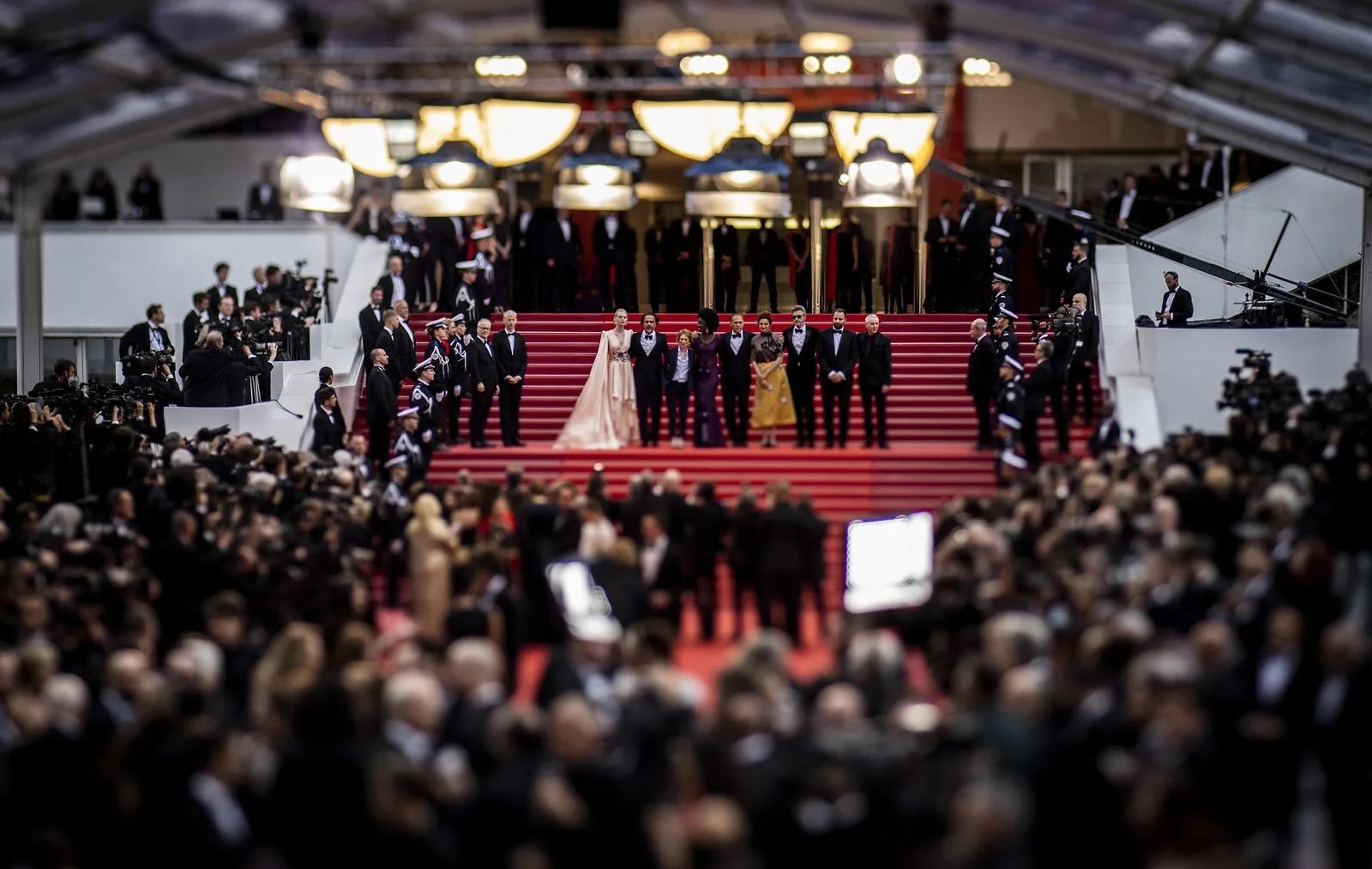
In the world of high-stakes competition, there are few stages as meticulously choreographed as the red carpet of the Cannes Film Festival. To the casual observer, the “montée des marches”—the ascent of the steps—is a parade of haute couture and cinematic glamour. But for those of us who track the intersection of prestige and power, these steps are less about fashion and more about positioning. As the festival enters its 79th edition, the glamour is masking a deeper, more calculated game of visibility ahead of the 2027 French presidential election.
For a sports journalist, the parallels are striking. The Cannes Film Festival is effectively the Olympic Games of cinema, where the Palme d’Or serves as the gold medal and the Croisette is the arena. However, unlike a football pitch, the rules of engagement here are governed by cultural diplomacy and political optics. In France, where the arts are inextricably linked to national identity, the festival provides a unique platform for political figures to project “soft power,” signaling their intellectual depth and international standing to a global audience long before the first ballots are cast for the next presidency.
The upcoming 79th edition, scheduled for May 2026, arrives at a pivotal moment. With the 2027 presidential race beginning to loom on the horizon, the festival serves as a crucial litmus test for public image. The ability to navigate the complexities of the festival—balancing the avant-garde with the popular, and the local with the global—is a rehearsal for the national stage. In this environment, a well-timed appearance or a strategic association with a celebrated auteur can be as valuable as a polished policy platform.
This year’s festivities are anchored by a heavy-hitting leadership. The Jury of the 79th Festival de Cannes will be chaired by the renowned South Korean director, screenwriter, and producer Park Chan-wook, whose presence underscores the festival’s commitment to global cinematic diversity. Quebec actress and director Monia Chokri has been appointed to chair the Caméra d’Or jury, a role dedicated to recognizing the best first feature film. These appointments maintain the festival’s status as the world’s most prestigious film gathering, ensuring that the spotlight remains bright for those seeking to climb the metaphorical steps of power.
The Red Carpet as Political Theater
The concept of the “montée des marches” extends far beyond the physical act of walking into the Palais des Festivals. In the context of French politics, it is a ritual of legitimacy. For aspiring leaders, being seen at Cannes is not merely about enjoying a film; it is about being seen seeing the film. The festival allows politicians to align themselves with the prestige of “le septième art” (the seventh art), framing themselves as custodians of French culture and intellect.

This strategic visibility is particularly acute as the 2027 election cycle approaches. In the French political landscape, the ability to command a room—or a red carpet—is a key indicator of “présidentiabilité.” The festival offers a rare opportunity for politicians to interact with international dignitaries and global icons in a setting that is high-profile yet ostensibly non-partisan. It is a game of nuance: appearing too political can alienate the artistic community, but appearing too detached can signal a lack of leadership.
The stakes are heightened by the global nature of the event. Because Cannes attracts the world’s most influential media outlets and policymakers, a single image captured on the Croisette can travel further than a dozen campaign speeches. For those eyeing the Élysée Palace, the festival is a laboratory for image management, where the goal is to project a blend of sophistication, authority, and openness to the world.
A Legacy of Rebellion: From 1968 to Today
While the current atmosphere may feel like a calculated exercise in image, the festival has a storied history of genuine disruption. To understand the tension inherent in the Cannes red carpet, one must look back to May 1968. During a period of intense civil unrest and student protests across France, the festival became a flashpoint for revolution. Filmmakers, most notably Jean-Luc Godard and François Truffaut, led a movement to shut down the event in solidarity with the workers and students protesting in the streets of Paris.

The 1968 protests were not merely about politics; they were a rebellion against the very structure of the festival and the perceived rigidity of the cinematic establishment. The disruption resulted in the cancellation of the competition that year, marking one of the few times the festival’s momentum was completely halted by external social forces. This era redefined the relationship between the artist and the state, establishing the idea that cinema should not exist in a vacuum of luxury but should engage with the struggles of the real world.
Today, the spirit of 1968 persists in the form of “political cinema.” Every year, the official selection includes films that challenge government policies, highlight human rights abuses, or critique the structures of power. This creates a fascinating paradox: the festival is simultaneously a playground for the elite and a megaphone for the marginalized. For the politicians attending, this duality is a minefield. They must support the “freedom of art” while occasionally finding themselves the targets of the very films they are ostensibly celebrating.
The Anti-Fascist Foundations of the Festival
The intersection of cinema and politics is not a recent development; it is baked into the festival’s DNA. The origins of the Festival de Cannes were rooted in a direct confrontation with fascism. In July 1938, the Venice Mostra—then the premier international film competition—was heavily influenced by the political pressures of the era. Under pressure from Adolf Hitler, the jury awarded the top prize, the Mussolini Cup, to the Nazi propaganda film Olympia by Leni Riefenstahl and the Italian film Luciano Serra, Pilot.
This decision sparked outrage among representatives from democratic nations. France, the United States, and Great Britain walked out of the Mostra, vowing never to return to an event where art was subservient to political maneuvering. It was during his return journey to France that diplomat Philippe Erlanger conceived of a rival festival—one that would be free from political constraints and dedicated to the purity of cinematographic art. This vision eventually materialized in 1946, the year of the first “proper” festival, though the seeds were sown eight years prior to counter the fascist threat.
Knowing this history adds a layer of gravity to the current festivities. The Festival de Cannes was born as an act of democratic resistance. When modern politicians walk the red carpet, they are walking on a foundation built to oppose the weaponization of art for propaganda. This historical weight ensures that the festival remains more than just a trade show for the film industry; it is a symbolic bastion of intellectual and artistic freedom, making it an essential stop for any leader who wishes to be perceived as a defender of those values.
The Mechanics of the 79th Edition
As the 2026 edition unfolds, the festival continues to expand its reach. Beyond the main competition for the Palme d’Or, the festival hosts several key events that serve different strategic purposes. The “Un Certain Regard” section, for instance, focuses on more unconventional and daring works, providing a space for emerging voices. For the 79th edition, Leïla Bekhti will serve as the President of the Un Certain Regard Jury, bringing a fresh perspective to the selection process.
The festival also leverages “Cannes Classics” to preserve cinematic heritage. The 2026 edition is dedicated to the memory of production designer Dean Tavoularis, reflecting the festival’s role as a living museum of film. The “Cinéma de la Plage” (Films on the Beach) screenings, such as the world premiere of Michel Leclerc’s Les Caprices de L’Enfant Roi, bring the festival’s prestige to a wider, more public audience, breaking the exclusivity of the Palais.
For the industry, the festival remains the primary marketplace for global cinema. The Marché du Film is where the real business of cinema happens, with thousands of producers, distributors, and sales agents negotiating the future of the medium. This economic engine is what allows the festival to maintain its lavish exterior. The synergy between the high-finance of the film market and the high-art of the competition is what creates the unique energy of Cannes—a place where a multimillion-dollar deal can be struck in the same hallway where a revolutionary new film is being debated.
Key Takeaways: Cinema, Power, and Politics
- Political Signaling: The “montée des marches” serves as a strategic visibility tool for French politicians ahead of the 2027 presidential election.
- Democratic Origins: The festival was conceived in 1938 as a democratic alternative to the fascist-influenced Venice Mostra, with the first full edition held in 1946.
- History of Dissent: The 1968 protests, led by figures like Godard and Truffaut, established the festival as a site of political and social rebellion.
- 2026 Leadership: The 79th edition is led by Jury President Park Chan-wook and Un Certain Regard President Leïla Bekhti.
- Cultural Diplomacy: The event functions as a “soft power” platform, blending global artistic prestige with national political branding.
The Enduring Appeal of the Croisette
the Festival de Cannes survives and thrives because it understands the human fascination with hierarchy and excellence. Whether it is a director striving for the Palme d’Or, an actor seeking international stardom, or a politician eyeing the presidency, the goal is the same: validation by the highest possible authority. The festival provides that validation in the most public and spectacular way possible.

As we watch the images of the 79th edition flood our screens, it is worth remembering that the red carpet is not just a path to a theater; it is a path to power. The intersection of art and politics in Cannes is not a distraction from the cinema—it is a reflection of the world the cinema seeks to capture. In the tension between the glamour of the present and the rebellions of the past, Cannes remains the most honest mirror of our global cultural and political ambitions.
The next major milestone for the festival will be the announcement of the Palme d’Or winner, a moment that typically defines the cinematic conversation for the rest of the year and provides a final, definitive statement on the current state of global art. We will be monitoring the results and the political fallout of this year’s “montée des marches” closely.
Do you think the intersection of politics and art enhances or diminishes the prestige of festivals like Cannes? Share your thoughts in the comments below.