
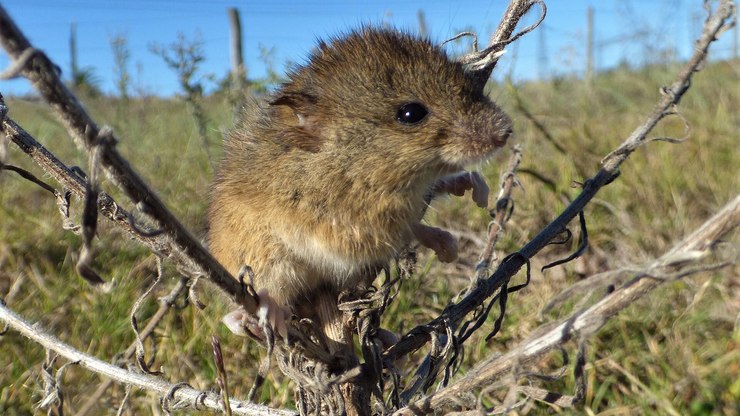
The intersection of wildlife ecology and human health often reveals hidden dangers, few of which are as clinically significant as the relationship between specific rodent populations and zoonotic viruses. Among these, the rice rat—particularly species within the Oryzomys genus—stands as a critical biological reservoir for hantaviruses, a group of RNA viruses capable of causing severe, often fatal, respiratory distress in humans.
For public health officials and the general population, understanding the role of the rice rat as a hantavirus reservoir is not merely an academic exercise in biology; it is a necessary component of disease prevention. Hantavirus Pulmonary Syndrome (HPS) represents a medical emergency that requires rapid identification and intervention, making the awareness of environmental risk factors—such as the presence of these specific rodents—a primary line of defense.
As a physician and health journalist, I have seen how the gap between scientific discovery and public awareness can lead to preventable tragedies. The “rice rat” may seem like an inconspicuous part of the ecosystem, but its role in the transmission of Orthohantavirus strains highlights the complex dynamics of zoonosis—the process by which an infectious disease jumps from animals to humans.
In the following analysis, we will explore the biological mechanisms that allow rice rats to carry these viruses without falling ill, how the virus transitions from the rodent to the human host, and the critical steps necessary to mitigate the risk of infection in affected regions.
The Biological Reservoir: Why the Rice Rat?
In epidemiology, a “reservoir” is a host species in which an infectious agent lives and multiplies without necessarily causing significant disease in the host itself. The rice rat, specifically the marsh rice rat (Oryzomys palustris) in the Americas, serves as a primary reservoir for certain hantavirus strains, including Orthohantavirus bayoui. This symbiotic-like relationship is a hallmark of hantavirus evolution.
Unlike many viruses that weaken or kill their hosts, hantaviruses have evolved to coexist with their rodent reservoirs. The virus typically establishes a chronic infection within the rodent’s lungs and kidneys. Because the rice rat does not typically exhibit symptoms of illness from the virus, it can shed the pathogen into the environment for a significant portion of its lifespan. This “silent” carriage is what makes the reservoir so effective at spreading the virus across a geographical area.
The ecology of the rice rat also contributes to the risk. These rodents are semi-aquatic and often inhabit marshes, wetlands, and the edges of agricultural fields—areas where human activity and wildlife habitats frequently overlap. When environmental conditions lead to a surge in the rice rat population, the prevalence of the virus in the environment increases proportionally, elevating the risk of human exposure.
Mechanisms of Transmission: From Environment to Lung
Humans do not typically contract hantavirus through a bite or direct physical contact with a rice rat, although that is possible. The primary and most dangerous route of transmission is through the inhalation of aerosolized viral particles. This process occurs when the virus, shed in the rodent’s urine, droppings, or saliva, dries and becomes airborne.
This aerosolization often happens during the cleaning or disturbance of enclosed spaces where rice rats have nested. Common high-risk scenarios include:
- Sweeping or vacuuming old sheds, barns, or cabins that have been closed for a season.
- Cleaning out crawl spaces or attics where rodent droppings have accumulated.
- Handling contaminated soil or vegetation in areas heavily populated by Oryzomys species.
Once these microscopic particles are inhaled, the virus targets the endothelial cells—the cells lining the blood vessels—particularly in the lungs. This triggers an intense immune response that leads to the leakage of fluid into the alveolar spaces of the lungs, effectively causing the patient to struggle for air despite the absence of a primary bacterial pneumonia. According to the Centers for Disease Control and Prevention (CDC), this rapid progression is what characterizes the pulmonary syndrome associated with these viruses.
Hantavirus Pulmonary Syndrome (HPS): Clinical Progression
The clinical manifestation of hantavirus infection in humans is often deceptive, beginning with symptoms that mimic a common flu. This “prodromal phase” typically lasts several days and includes fever, chills, and severe muscle aches (myalgia), particularly in the thighs, hips, and back. Because these symptoms are non-specific, patients often delay seeking medical care, unaware that they have been exposed to a zoonotic pathogen.

However, the transition from the flu-like stage to the cardiopulmonary stage can be abrupt and catastrophic. The hallmark of HPS is the rapid onset of pulmonary edema. Patients experience increasing shortness of breath (dyspnea) as their lungs fill with fluid. This leads to severe hypoxia, where the blood cannot carry enough oxygen to the vital organs, potentially resulting in cardiogenic shock and multi-organ failure.
The mortality rate for Hantavirus Pulmonary Syndrome is notably high, often exceeding 35% in reported cases. There is currently no specific antiviral cure or vaccine for HPS; treatment is primarily supportive, involving intensive care and mechanical ventilation to maintain oxygen levels while the body fights the virus. Early hospitalization and aggressive supportive care are the only proven ways to improve survival outcomes.
Public Health Precautions and Risk Mitigation
Since there is no vaccine, the primary strategy for combating hantavirus is the prevention of exposure. This involves a combination of environmental management and safe cleaning practices. The goal is to eliminate the attraction of rice rats to human dwellings and to avoid the aerosolization of their waste.

Environmental Control: The most effective long-term solution is rodent-proofing. This includes sealing gaps in walls, repairing screens, and ensuring that food sources—such as grain or pet food—are stored in rodent-proof containers. Reducing the “carrying capacity” of the environment for rice rats reduces the likelihood of them nesting near humans.
Safe Cleaning Protocols: When cleaning areas where rice rats have been present, the “dry sweep” method must be strictly avoided. Sweeping or vacuuming stirs up dried droppings, sending the virus directly into the air. Instead, the World Health Organization (WHO) and other health bodies recommend a “wet” cleaning approach:
- Ventilation: Open all windows and doors and allow the area to air out for several hours before entering.
- Disinfection: Spray droppings, nests, and contaminated surfaces with a disinfectant or a bleach solution (1 part bleach to 9 parts water). This wets the particles, preventing them from becoming airborne, and kills the virus.
- Protective Gear: Wear rubber or plastic gloves and, in heavily contaminated areas, a high-filtration mask (such as an N95 respirator) to prevent inhalation.
- Waste Disposal: Use paper towels to wipe up the wet debris and dispose of them in a sealed plastic bag.
The Broader Context of Zoonotic Spillover
The case of the rice rat and hantavirus is a prime example of “spillover”—the moment a pathogen moves from its natural reservoir into a new host species. This phenomenon is becoming increasingly common as human expansion encroaches upon wild habitats, altering the ecology of species like the Oryzomys.

Climate change and shifts in agricultural patterns also play a role. Changes in rainfall and temperature can lead to “mast years,” where seed-bearing plants produce an abundance of food, causing rodent populations to explode. These population spikes often precede outbreaks of hantavirus in human populations, as the increased density of infected reservoirs leads to more frequent encounters with humans.
From a global health perspective, the study of these reservoirs allows scientists to predict potential outbreaks. By monitoring the seroprevalence (the level of antibodies) in wild rice rat populations, public health officials can issue warnings to residents in high-risk areas before human cases begin to appear. This “One Health” approach—which integrates human, animal, and environmental health—is the gold standard for preventing the next zoonotic crisis.
Summary of Risk and Response
To synthesize the critical information regarding the rice rat and hantavirus, it is helpful to view the threat as a chain of events: the reservoir carries the virus silently, the environment facilitates the aerosolization of the virus, and the human host inhales the particles, leading to severe respiratory failure.
For those living in or visiting regions where rice rats are endemic, the primary takeaway is vigilance. Awareness of the animal’s habitat and the strict adherence to wet-cleaning protocols can virtually eliminate the risk of infection. While the biological capabilities of the hantavirus are formidable, the pathways of transmission are well-understood and entirely preventable.
As we continue to navigate an era of emerging infectious diseases, the lesson of the rice rat is clear: respect for wildlife boundaries and a scientific approach to environmental hygiene are our best tools for safeguarding public health.
The next confirmed checkpoint for hantavirus surveillance typically involves seasonal reports from regional health departments during the late summer and autumn months, when rodent activity often peaks. Residents in high-risk zones should monitor local health advisories for updates on rodent population surges.
Do you live in an area where rice rats are common, or have you implemented rodent-proofing in your home? Share your experiences or questions in the comments below to help others stay safe.