
For decades, the management of autoimmune diseases has focused primarily on mitigation. Patients living with conditions like multiple sclerosis (MS) or lupus have largely relied on immunosuppressants—drugs designed to dampen the entire immune system to stop it from attacking the body’s own healthy tissues. While effective for some, these treatments often come with a heavy price: a heightened vulnerability to infections and a cycle of managing symptoms rather than addressing the root cause.
However, a revolutionary shift is occurring as researchers pivot a powerhouse of oncology—CAR T cell therapy—toward the realm of autoimmunity. Originally engineered to hunt and destroy malignant blood cancers, this precision immunotherapy is now being tested in clinical trials to “reset” the immune systems of people with severe autoimmune disorders. For patients who have exhausted all traditional options, this transition from cancer treatment to autoimmune therapy represents more than just a new drug. it is a potential path toward long-term remission.
The promise of CAR T cell therapy for autoimmune diseases lies in its ability to target specific, pathogenic cells with surgical precision. Rather than suppressing the entire immune response, this approach aims to eliminate the specific B cells responsible for producing the autoantibodies that drive tissue destruction. By wiping the slate clean, physicians hope to allow the immune system to reboot in a state that no longer recognizes the body’s own organs as enemies.
This medical evolution is currently being explored in numerous clinical trials globally, including specialized studies at institutions such as the University of Nebraska Medical Center. For patients like Jan Janisch-Hanzlik, who faced the debilitating progression of multiple sclerosis—including frequent falls and the looming necessity of a wheelchair—the prospect of a “reset” offers a level of hope that traditional disease-modifying therapies could not provide.
From Oncology to Autoimmunity: The Science of CAR T
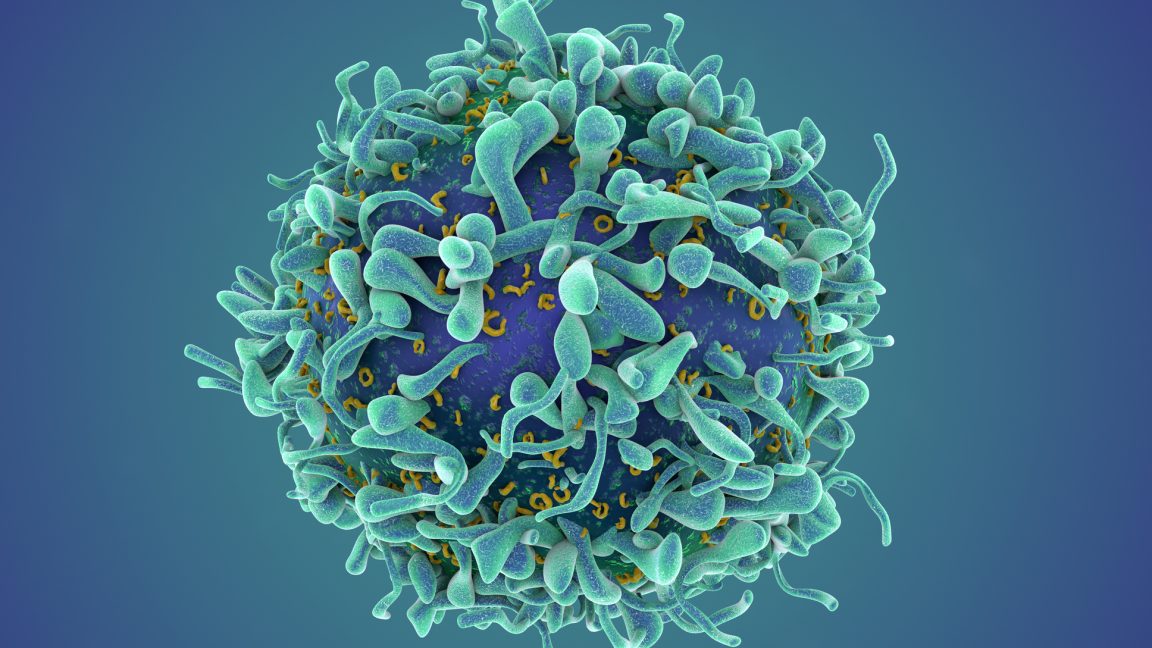
To understand why a cancer treatment is being applied to autoimmune diseases, it is necessary to understand the mechanism of Chimeric Antigen Receptor (CAR) T-cell therapy. In its original application for leukemia and lymphoma, the process involves extracting a patient’s own T cells—the “soldiers” of the immune system—and genetically modifying them in a laboratory. Scientists add a synthetic receptor (the CAR) to the T cell’s surface, which acts like a GPS, enabling the cell to recognize and bind to a specific protein on the surface of a cancer cell.


Once these reprogrammed T cells are infused back into the patient, they seek out and destroy the targeted cancer cells. This approach has seen remarkable success in treating certain blood cancers, leading to FDA approvals for several CAR T products. The leap to autoimmune treatment involves a similar logic but a different target. In many autoimmune diseases, the primary culprits are “rogue” B cells that produce autoantibodies, which then trigger inflammation and organ damage.
By engineering CAR T cells to target proteins found on B cells—such as CD19—researchers can effectively clear the body of these problematic cells. This process, known as B-cell depletion, is not new; monoclonal antibodies like rituximab have done this for years. However, CAR T therapy is significantly more potent and thorough, capable of reaching deep into tissues where traditional drugs may not penetrate, potentially eliminating the “reservoir” of rogue cells that cause relapses.
Targeting the Root Cause: How the ‘Reset’ Works
The ultimate goal of using CAR T cell therapy for autoimmune diseases is to achieve a “system reset.” In a typical autoimmune cycle, a subset of long-lived B cells and plasma cells continue to pump out harmful antibodies even when the patient is on medication. This represents why many patients experience “flares” or gradual progression despite treatment.
CAR T cells are designed to be more aggressive and persistent than traditional B-cell depleting therapies. When these engineered cells enter the bloodstream, they identify and destroy the B cells that are driving the autoimmune attack. As the old, dysfunctional B-cell population is wiped out, the body eventually begins to produce new B cells from the bone marrow. The working hypothesis is that these new B cells will be “naive” and will not carry the genetic instructions to attack the body’s own tissues.
This mechanism is particularly promising for diseases characterized by severe B-cell involvement. In the case of systemic lupus erythematosus (SLE), for example, research published in Nature Medicine has indicated that CAR T therapy can lead to drug-free remission by eliminating the autoantibody-producing B cells, effectively stopping the attack on the kidneys and other organs.
Beyond Multiple Sclerosis: Lupus, Vasculitis, and Other Frontiers
While multiple sclerosis has been a primary focus for some researchers, the potential applications of CAR T therapy span a wide array of autoimmune conditions. The common thread is the role of the B cell in the disease’s pathology. Current clinical trials are expanding to investigate the efficacy of this therapy in several areas:
- Systemic Lupus Erythematosus (SLE): One of the most advanced areas of research, where CAR T has shown the ability to induce remission in patients with severe, refractory lupus.
- Myasthenia Gravis: A condition causing muscle weakness, where targeting the B cells that produce antibodies against acetylcholine receptors could restore muscle function.
- Vasculitis: Inflammation of the blood vessels, where precision depletion of B cells may prevent permanent organ damage.
- Graves’ Disease: An overactive thyroid condition driven by autoantibodies that stimulate the thyroid gland.
The transition of this therapy from “last resort” to a broader treatment option depends heavily on the results of these ongoing trials. The shift represents a move toward precision medicine, where the treatment is tailored to the patient’s own cellular makeup rather than a one-size-fits-all pharmaceutical approach.
Risks, Challenges, and the Road to Approval
Despite the optimism, CAR T cell therapy is not without significant risks. Because the therapy involves activating a massive immune response, patients can experience Cytokine Release Syndrome (CRS). CRS is a systemic inflammatory response that can cause high fevers, dangerously low blood pressure, and, in severe cases, organ failure. While CRS is manageable in a controlled hospital setting, it remains a primary safety concern for clinicians.

Beyond safety, there are substantial logistical and financial hurdles. CAR T is not a “pill” that can be prescribed; it is a living drug. The process of extracting cells, shipping them to a specialized laboratory for genetic engineering, and then re-infusing them is time-consuming and incredibly expensive. For this therapy to become a standard of care for autoimmune diseases, the manufacturing process must be streamlined, and costs must be reduced to ensure equitable access.
the long-term durability of the “reset” is still being studied. While some patients have remained in remission for years, researchers are monitoring whether the rogue B cells eventually return or if the immune system remains stable over a decade or more. The National Institutes of Health (NIH) clinical trials database tracks these developments, providing a window into the long-term outcomes of early participants.
The Future of Immunotherapy
The application of CAR T cell therapy to autoimmune diseases marks a pivotal moment in medical history. It suggests that the immune system is not just something to be suppressed, but something that can be reprogrammed. As we refine the targets and improve the safety profiles of these engineered cells, we may see a future where “incurable” autoimmune diseases are treated with a single, sophisticated intervention rather than a lifetime of daily medication.
For the global medical community, the focus now remains on the data emerging from phase 1 and phase 2 trials. These studies will determine the optimal dosing, the safest delivery methods, and the specific patient profiles most likely to benefit from a cellular reset.
As research continues, the next major checkpoint will be the publication of long-term follow-up data from the initial cohorts of autoimmune CAR T patients, which will help regulators determine if the benefit-to-risk ratio justifies wider clinical use.
Do you or a loved one live with an autoimmune condition? We want to hear your thoughts on the potential of precision immunotherapy. Share your experiences in the comments below or share this article with others who may find this research hopeful.