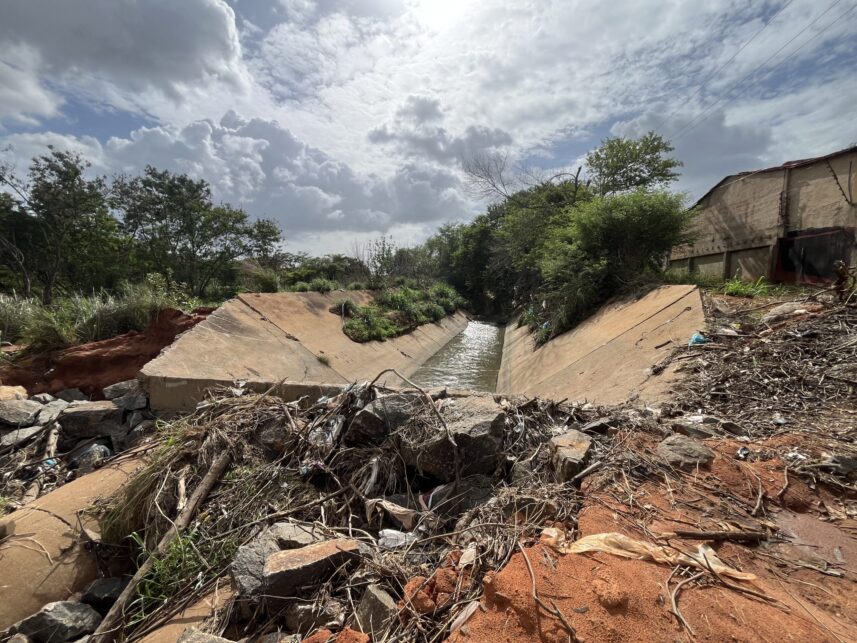
Residents in the Unare parish of Ciudad Guayana, Bolívar State, are facing an escalating infrastructure crisis as severe soil erosion, known locally as cárcavas, threatens residential zones and public thoroughfares. Recent heavy rainfall has exacerbated the instability of these deep gullies, leading to the collapse of drainage systems and widespread flooding across the Caroní municipality, according to reports from local authorities and regional monitoring agencies.
The geological degradation, characterized by deep trenches carved into the earth by uncontrolled water runoff, has reached a critical stage in several sectors of Unare. The situation is part of a broader pattern of environmental and urban decay in Bolívar State, where seasonal precipitation frequently overwhelms aging municipal infrastructure. For residents, this means not only the loss of property value but immediate risks to public safety and mobility as streets and sewage networks fail under the pressure of continuous downpours.
The Impact of Soil Erosion and Infrastructure Failure
The formation of cárcavas in Unare is directly linked to the lack of adequate maintenance in municipal drainage systems and the impact of unchecked water flow during the wet season. When drainage conduits collapse, water is diverted into unpaved or poorly protected soil, creating deep fissures that grow with each subsequent storm. This process threatens the structural integrity of nearby housing foundations, leaving many families in a state of uncertainty regarding the safety of their homes.
According to data tracked by the state water utility, Hidrobolívar, the management of sewage and drainage networks remains a primary challenge during peak rainfall months. The failure of these systems often leads to the overflow of contaminated water onto public roads, increasing the risk of waterborne diseases and complicating vehicular traffic. In urban centers like Ciudad Guayana, the intersection of poor urban planning and extreme weather events creates a recurring cycle of flooding that requires significant capital investment to remediate.
Regional Consequences of Extreme Rainfall
The crisis is not confined to the Unare parish. Throughout Bolívar State, intense meteorological events have resulted in significant damage to infrastructure in municipalities such as El Callao. The regional National Institute of Meteorology and Hydrology (INAMEH), which provides oversight for national weather patterns, has issued various alerts regarding dispersed rainfall across the Orinoco region, noting that high saturation levels in the soil increase the probability of landslides and further gully formation.

In many affected sectors, the collapse of sewage systems has forced local communities to navigate flooded avenues, which often remain impassable for days. These conditions have displaced hundreds of families in areas like San Jacinto, where the combination of overflowing creeks and blocked drainage has rendered residential areas uninhabitable. The economic impact on these communities is substantial, as residents face the dual burden of repairing property damage and dealing with the loss of access to basic services.
Addressing the Infrastructure Gap
Mitigating the threat posed by cárcavas requires a coordinated approach involving municipal engineering departments and regional environmental agencies. Historically, the remediation of such geological features involves the stabilization of slopes, the installation of reinforced concrete drainage pipes, and the reforestation of affected areas to improve soil retention. However, the implementation of these projects is often delayed by budgetary constraints and the logistical difficulty of operating in densely populated urban zones.
For those living in high-risk zones, local civil protection agencies, such as Protección Civil, recommend maintaining clear communication channels with community leaders and reporting new fissures or signs of soil movement immediately. While long-term infrastructure repair is the responsibility of state entities, temporary measures—such as cleaning debris from existing drainage grates—are often cited by local authorities as essential steps in preventing the worst effects of flash flooding.
Next Steps for Affected Residents
As the rainy season continues, the primary point of contact for residents remains the local municipal offices and regional civil protection units. Citizens are encouraged to monitor official government bulletins for weather updates and evacuation warnings. The situation remains fluid, with local authorities expected to continue conducting assessments of vulnerable areas to determine which sectors require priority intervention.
If you are a resident in the affected areas, please share your experiences in the comments section below to help create a community record of the impact. For those seeking to stay informed, checking the official social media channels of regional government bodies is the most reliable way to receive real-time updates regarding road closures and emergency assistance programs.
Worth a look