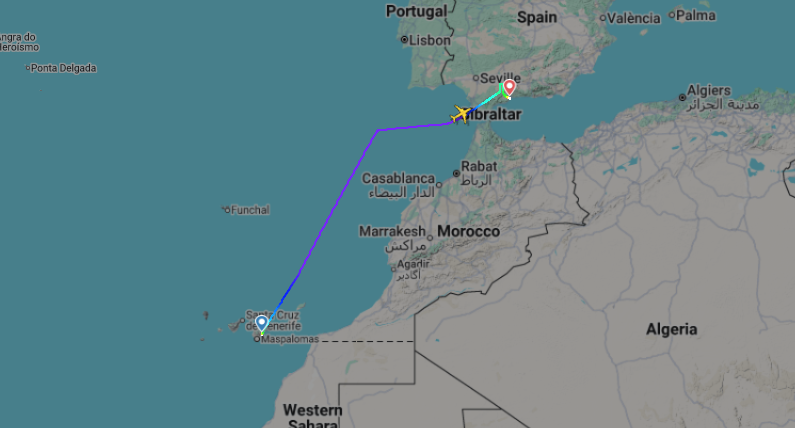
Passengers traveling through European transit hubs face increasing scrutiny regarding airline conduct and flight safety protocols as recent incidents highlight the complexities of modern air travel. Recent reports from various aviation incidents, including a passenger removed from a flight bound for Oslo while at Málaga Airport and an emergency landing of a Norwegian Air Shuttle flight to Stavanger in Athens, underscore the operational challenges airlines encounter. These events, while isolated, raise questions about passenger rights, safety thresholds, and the protocols governing mid-flight diversions.
According to reports from the Avinor Group, which manages state-owned airports in Norway, flight disruptions can stem from a variety of causes ranging from unruly passenger behavior to technical mechanical issues. When a flight is diverted or a passenger is removed, airlines are bound by the European Union’s Regulation (EC) No 261/2004, which dictates compensation and assistance requirements depending on the circumstances of the delay or cancellation.
Understanding Passenger Removal Protocols
The removal of a passenger from an aircraft, such as the case reported in Málaga, typically occurs when flight crews determine that a traveler poses a risk to the safety or security of the flight. Under international aviation law, specifically the Tokyo Convention of 1963, the aircraft commander has the authority to restrain or disembark passengers if they believe the individual has committed or is about to commit an act that jeopardizes the safety of the aircraft or persons on board.
Airlines maintain strict codes of conduct. When a crew member identifies a breach of these terms—often involving intoxication, failure to follow safety instructions, or aggressive behavior—they are empowered to contact local law enforcement to assist in the removal of the individual. In the Málaga incident, the disruption resulted in the flight failing to reach its scheduled destination of Oslo, illustrating the significant logistical impact a single passenger can have on an airline’s daily schedule.
Mechanical Diversions and Emergency Landings
Beyond human-related disruptions, technical failures remain a primary cause for emergency landings, such as the recent event involving a flight to Stavanger that diverted to Athens. According to the European Union Aviation Safety Agency (EASA), pilots are trained to prioritize the safety of the aircraft and its passengers by landing at the nearest suitable airport if a technical anomaly is detected, regardless of the original flight plan.
These diversions are often precautionary. When a flight lands in a location like Athens, the airline must coordinate with ground handling services to ensure passenger safety and provide, where applicable, meals, hotel accommodation, and rebooking options. The Norwegian Air Shuttle compensation policy aligns with EU regulations, ensuring that passengers are kept informed throughout the process of a diversion or technical delay.
Navigating Weather-Related Disruptions
Weather patterns across Europe frequently trigger fare warnings that affect flight operations. The Norwegian Meteorological Institute regularly issues warnings for high winds and heavy precipitation, which can lead to significant delays or the grounding of flights. For passengers, these warnings serve as a signal to check their airline’s status updates frequently.
When extreme weather hits, airports must balance safety with operational efficiency. A spokesperson for the Oslo Airport administration noted that during severe weather, capacity is often reduced to ensure safe takeoff and landing intervals. Passengers are advised to:
- Monitor airline apps and websites for real-time updates on flight status.
- Review their rights regarding accommodation if a flight is canceled due to weather.
- Ensure contact information is updated in the airline’s booking system to receive automated alerts.
What Happens Next for Affected Travelers
For those impacted by flight disruptions, the immediate priority is securing documentation. Airlines are required to provide a written explanation for a delay or cancellation, which is essential if a passenger intends to file a claim for compensation or seek reimbursement from travel insurance providers. If a flight is diverted for technical reasons, passengers generally have a stronger case for compensation under EU law than they do for weather-related events, which are often classified as “extraordinary circumstances.”
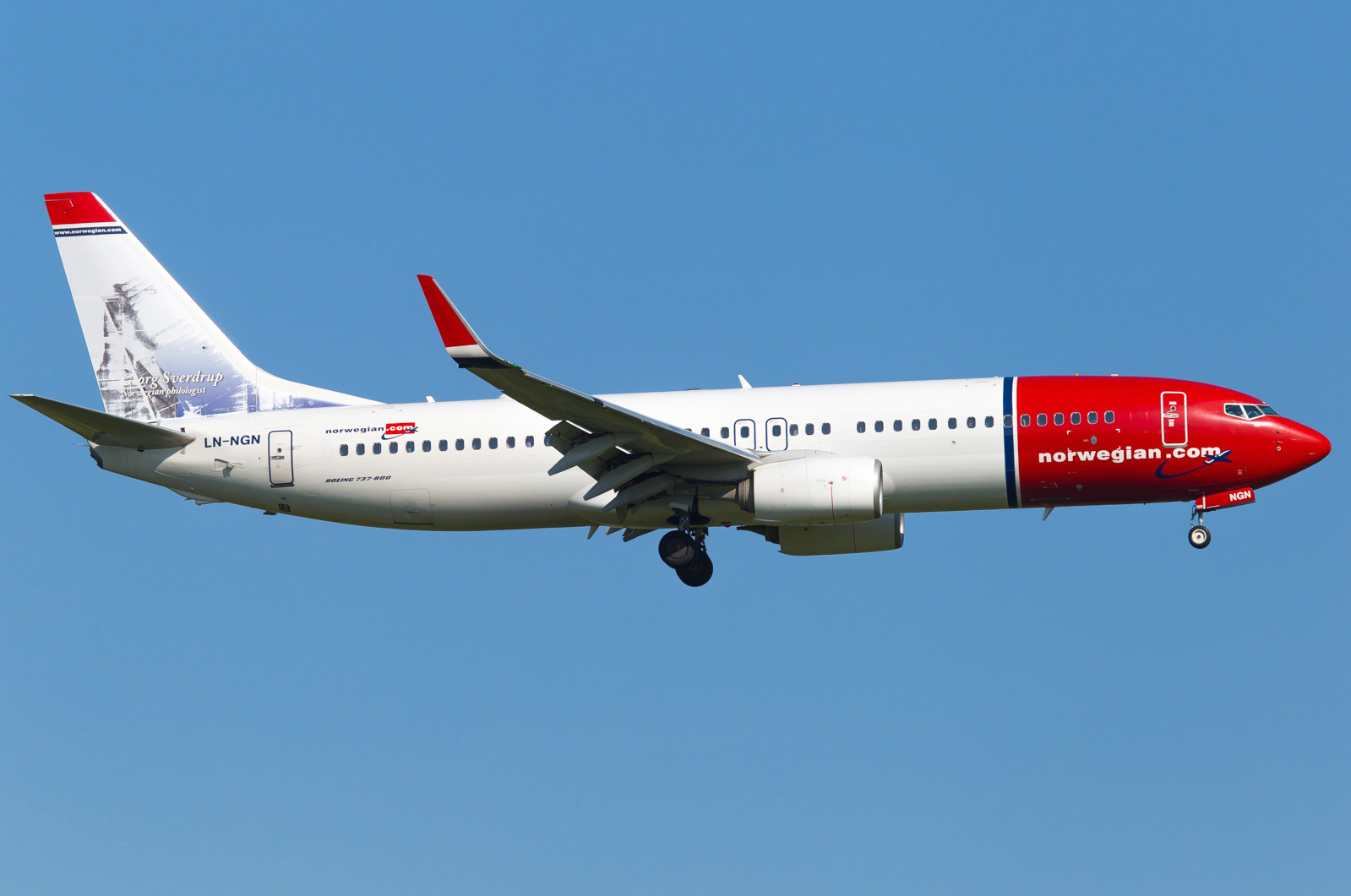
As the aviation industry continues to manage these operational complexities, travelers are encouraged to verify their coverage before departure. Official updates regarding flight rights and airport safety protocols can be found on the Civil Aviation Authority of Norway website. For further questions regarding specific travel concerns, passengers should engage directly with their airline’s customer service channels to ensure they receive accurate information tailored to their specific booking.
Worth a look