
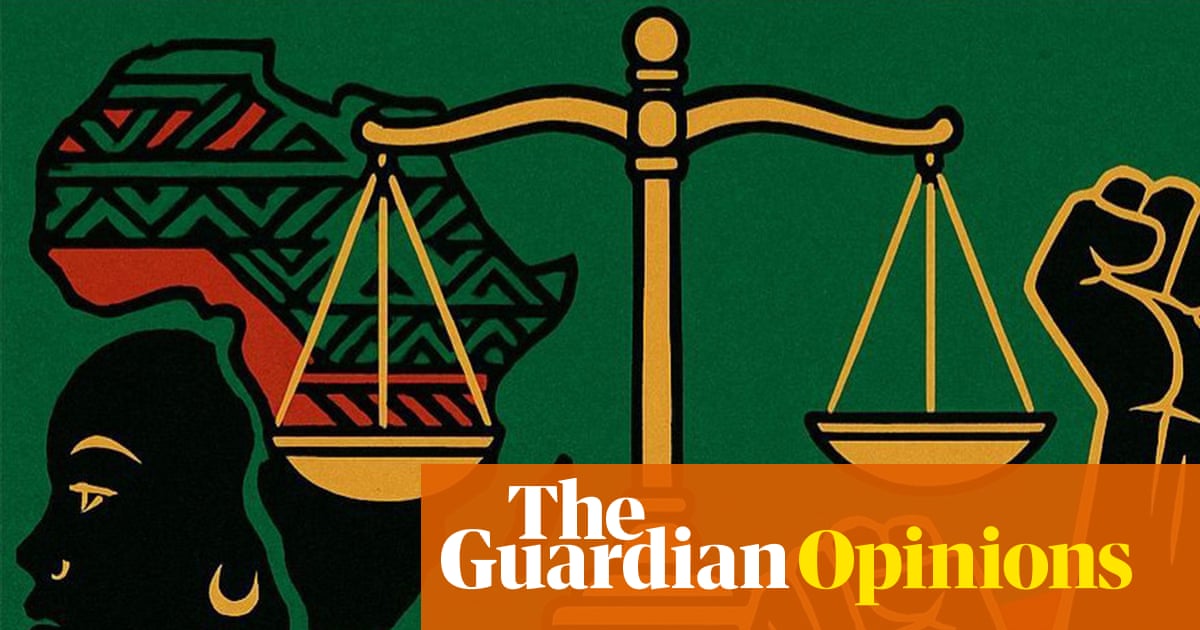
The Rising Tide of Reparations: Britain‘s reckoning with its Colonial Past
The demand for reparations from Britain for its role in the transatlantic slave trade and colonialism is no longer a fringe request. It’s gaining notable momentum, becoming a central issue in the relationship between the UK and nations across Africa and the Caribbean. This shift reflects a broader global reckoning with ancient injustices and a growing insistence on restorative justice.
Recent developments, including visits from Caricom leaders and the African union’s “Decade of reparations,” demonstrate the increasing organization and internationalization of this movement. But what does this mean for Britain, and what challenges lie ahead?
A Shifting Landscape: From Partnership to Transaction
For decades, the UK framed its relationship with former colonies as one of partnership, built on shared history and mutual benefit. However, the rise of far-right politics has dramatically altered this narrative. Immigration policies have become increasingly restrictive, fostering division domestically and eroding the moral foundation of these relationships.
Consider this: descendants of those enslaved and colonized now face stringent visa requirements to enter the UK.This starkly contrasts with the historical reality of unrestricted access Britain once enjoyed to their lands, labor, and resources. The unresolved injustices of the Windrush scandal only amplify this sense of betrayal, reinforcing the perception that Britain’s post-imperial ties are now purely transactional.
The Core of the Demand: Beyond Financial Compensation
Reparations aren’t simply about financial payouts. They represent a multifaceted call for acknowledgement, repair, and a basic re-evaluation of Britain’s historical legacy. As highlighted in the work The Big Payback, restorative justice aims to build a better future, not merely dwell on the past.
Specifically,the call for reparations encompasses:
* Formal Acknowledgement: A full and honest accounting of the harms caused by slavery and colonialism.
* Financial Restitution: Addressing the economic disparities created by centuries of exploitation.
* Investment in Development: Supporting initiatives in affected nations focused on education, healthcare, and infrastructure.
* Cultural Reparations: Returning stolen artifacts and supporting the preservation of cultural heritage.
* Policy Changes: Reforming immigration policies and addressing systemic inequalities.
Navigating the Obstacles: Concerns and Challenges
The UK and europe face legitimate concerns regarding reparations. These include:
* Fiscal Precedent: The potential financial implications and setting a precedent for other historical claims.
* Political backlash: Opposition from segments of the population resistant to acknowledging historical wrongs.
* Legal Exposure: Potential legal challenges related to liability and duty.
These concerns are understandable, but they shouldn’t overshadow the moral imperative to address historical injustices.
A Critical Juncture: Defining the Future Relationship
Britain’s leaders frequently enough express a desire to “move forward.” However, the Caribbean and Africa are rightly demanding clarity: forward from where, and on whose terms?
The question isn’t whether Britain will confront its past, but how. Will it continue to rely on selective memory and managed silence? Or will it embrace truth, repair, and a willingness to confront the very foundations upon which modern Britain was built?
You, as a global citizen, should understand that this debate isn’t just about history. It’s about shaping a more just and equitable future for all.It’s about acknowledging the enduring legacy of colonialism and working towards a relationship built on genuine partnership and mutual respect.
Further exploration:
for a deeper dive into this topic,consider reading: No, Robert Jenrick, former colonies do not owe a ‘debt of gratitude’ for Britain’s legacy of brutality and exploitation | Kenneth Mohammed


