The Shifting Landscape of wrestling Stardom: Why Today’s Talent Won’t Wait 15 Years
The wrestling world recently ignited with a debate sparked by veteran Mark Henry‘s assertion that young talent needs to “pay their dues” – suggesting a 15-year climb to reach main event status. This idea was swiftly and cleverly challenged by Ricochet,who used Carmelo Hayes’ current situation in WWE to highlight a essential shift in how wrestling careers are unfolding.This article dives deep into this evolving dynamic, exploring the contrast between wrestling’s past and present, and what it means for the future of stars like Hayes and beyond.
The Origin of the Debate: Mark Henry’s “15 Years”
Mark Henry, a legend in the industry, voiced a perspective rooted in wrestling’s conventional structure. Historically, wrestlers did spend years honing their craft in smaller territories, building a reputation before reaching national prominence. However,Ricochet’s pointed response,aimed at Carmelo hayes,questioned the relevance of this timeline for today’s exceptionally skilled performers.
Ricochet essentially argued: why should a demonstrably talented wrestler like Hayes wait a decade and a half for an opportunity? His playful jab wasn’t just about Hayes; it was a broader commentary on the perceived stagnation of promising talent within major promotions.
carmelo Hayes: A Case Study in Modern Frustration
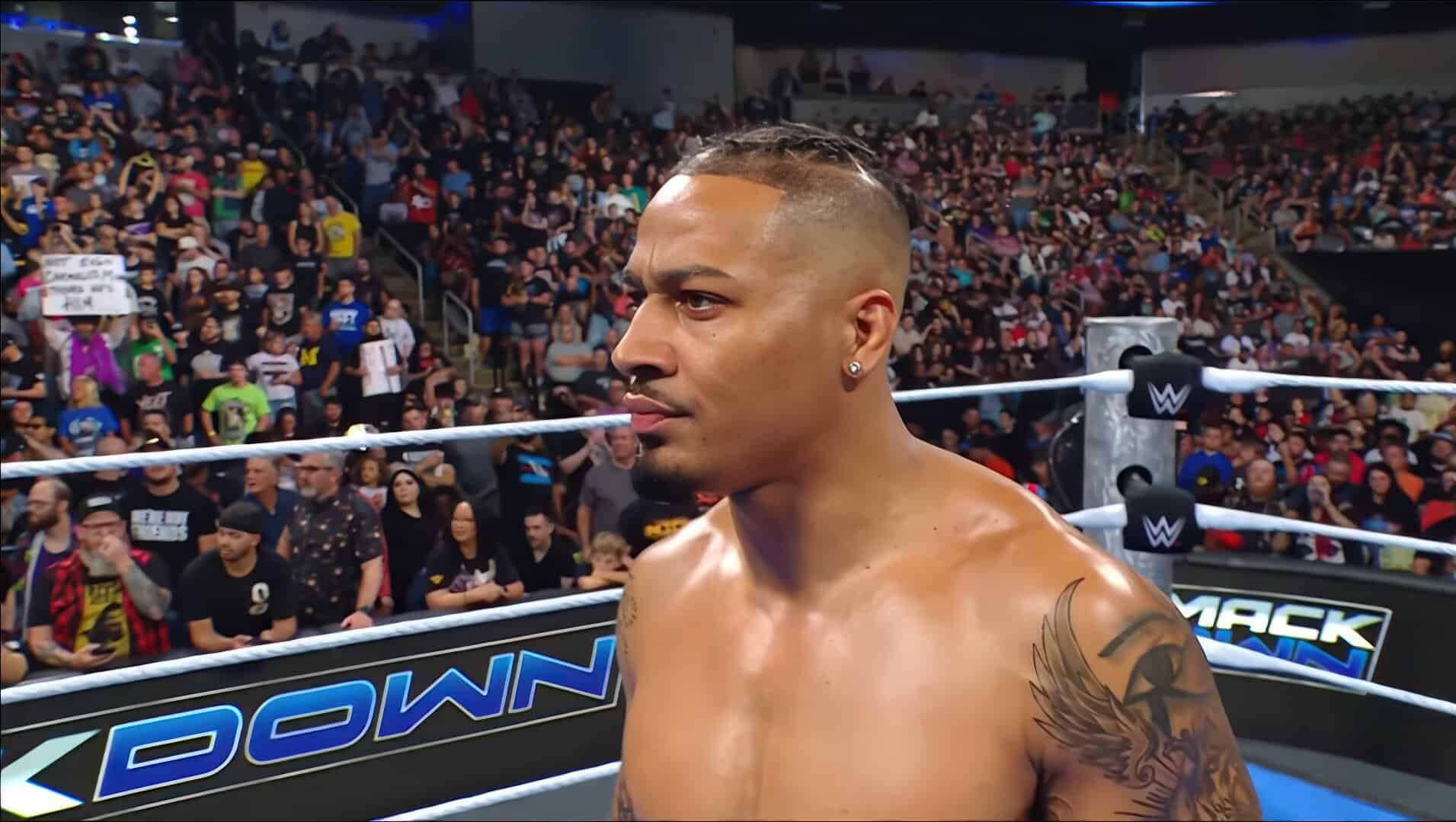
Let’s look at Carmelo Hayes.He’s been on the WWE main roster for roughly 18 months. Despite his undeniable charisma and in-ring ability, Hayes hasn’t yet been given the opportunity to headline a Premium Live Event.
This is a stark contrast to his dominant run in NXT. There, Hayes wasn’t just on the card – he was the card. He consistently main-evented, held both the NXT Championship and North American Championship, and drove key storylines.
Now on SmackDown, Hayes finds himself positioned as a mid-card competitor. While he’s delivered strong performances against established stars like Cody Rhodes and Andrade, he’s yet to break into the world title picture. His self-described “Underdog” status on social media reflects this reality – often battling against larger, more established opponents like Gunther.
The Ricochet parallel: A Pattern Emerges
Hayes isn’t alone in experiencing this transition. Ricochet himself followed a similar path. A standout performer in NXT,holding the North American Championship,he moved to the main roster with significant fanfare.
Though, Ricochet primarily competed for mid-card titles (United States and Intercontinental Championships) without consistently reaching the pinnacle of WrestleMania main events or capturing a world championship. This ultimately contributed to his decision to leave WWE for AEW in 2024, where he quickly found success as the inaugural AEW National Champion.
This pattern suggests a systemic issue: talented NXT performers aren’t always afforded the same opportunities to shine on the main roster.
The Evolution of Wrestling: speeding Up the Ascent
The core of the debate lies in the changing lifespan of a wrestling career. In the past, a 15-year climb wasn’t unusual. Wrestlers needed that time to develop their skills, build their brand, and work their way up through the ranks.
Today, however, the industry is different. We’ve seen rapid ascensions like:
* Brock Lesnar: WWE Champion at age 25.
* Randy Orton: World Heavyweight Champion at age 24.
These are exceptional cases, but they demonstrate a willingness to push younger talent more quickly. Currently, 21-year-old je’Von Evans is generating significant buzz, with many fans believing he’s ready for a prominent role on Raw or SmackDown. Under Henry’s proposed timeline, Evans wouldn’t reach his championship prime until age 35 – a potentially lost decade of peak performance.
What Does This Mean for the future?
The exchange between Henry and Ricochet, amplified by Hayes’ situation, highlights a critical tension within modern wrestling.Fans crave fresh faces and compelling storylines, and today’s wrestlers are frequently enough more polished and prepared for the spotlight than ever before.
Holding onto the “pay your dues” mentality risks stifling talent and alienating a fanbase that demands immediate gratification. Promotions like WWE need to find a balance between respecting tradition and embracing the accelerated pace
Worth a look