
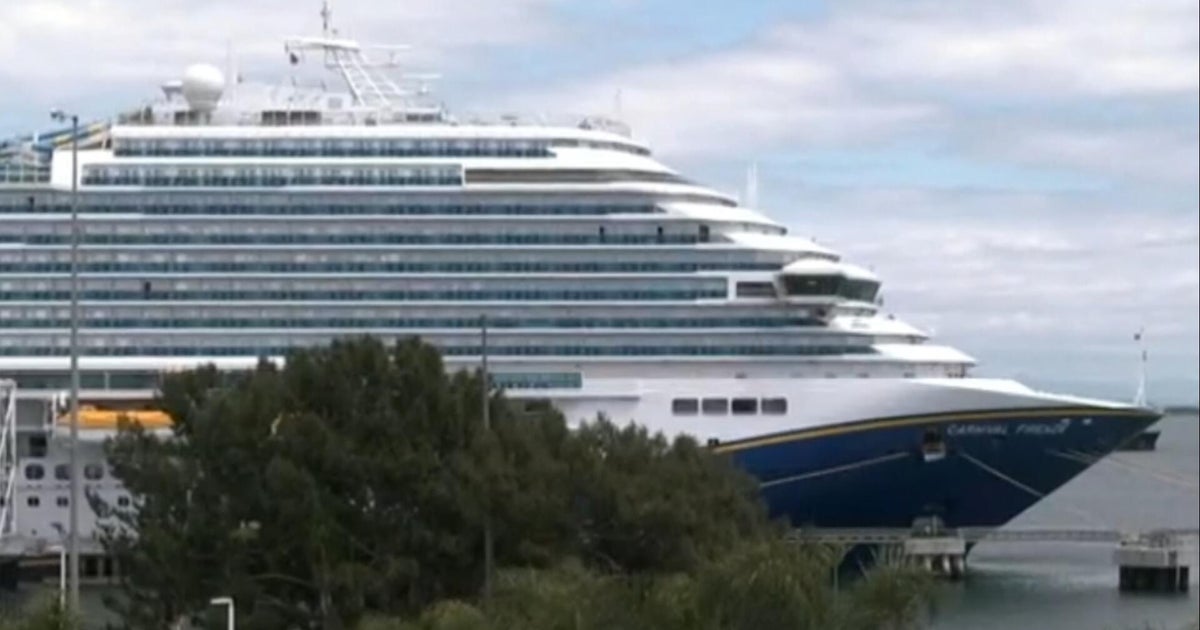
Federal authorities have launched a formal investigation into the death of a female passenger who fell from a stateroom balcony aboard a Carnival Cruise Line vessel. The incident, which has prompted a federal probe, underscores the critical nature of maritime safety protocols and the rigorous oversight required for high-capacity cruise ships operating in international and territorial waters.
While specific details regarding the passenger’s identity and the exact circumstances of the fall remain limited, the involvement of federal officials indicates a standard but serious procedural response to a fatality at sea. Such investigations typically aim to determine whether the incident was the result of an accident, a mechanical failure of the ship’s safety barriers, or other contributing factors.
For the cruise industry, these events are more than isolated tragedies; they are focal points for regulatory scrutiny. A Carnival cruise ship balcony death investigation often triggers a comprehensive review of safety hardware, passenger conduct guidelines, and the immediate response of the ship’s medical and security teams. As the industry continues to scale with larger ships and higher decks, the physics of balcony safety and the psychological impact of such incidents remain primary concerns for operators and regulators alike.
The Scope of Federal Maritime Investigations
When a fatality occurs on a cruise ship, the jurisdictional landscape can be complex, often involving multiple national and international agencies. In the United States, the U.S. Coast Guard typically leads the initial investigation if the vessel is in U.S. Waters or is a U.S.-flagged ship. Their primary objective is to establish a factual record of the event and determine if any violations of federal safety regulations occurred.
The investigative process generally follows a strict protocol:
- Evidence Preservation: Investigators secure the stateroom and the area of the fall to examine the integrity of the railings and any signs of forced entry or structural failure.
- Witness Testimony: Statements are taken from crew members, fellow passengers, and any individuals who may have witnessed the event or interacted with the passenger prior to the fall.
- Log Review: Federal officials analyze the ship’s official logs, including medical reports and security footage, to create a precise timeline of events.
- Medical Examiner Coordination: Coordination with shoreside coroners or medical examiners is essential to determine the official cause of death, which informs whether the probe remains a safety investigation or shifts toward a criminal inquiry.
Beyond the Coast Guard, the Federal Bureau of Investigation (FBI) may become involved if there is a suspicion of foul play. Because many cruise ships are registered in “flag states” (such as Panama or the Bahamas), the maritime authorities of the registering nation may as well conduct a concurrent investigation to ensure compliance with international law.
Industry Standards and Balcony Safety
The design of cruise ship balconies is governed by strict international standards intended to prevent accidental falls. The International Maritime Organization (IMO) and the SOLAS (Safety of Life at Sea) convention provide the overarching framework for vessel construction, including the height and strength of perimeter railings.

Most modern cruise lines, including Carnival, utilize reinforced glass or steel railings designed to withstand significant pressure. However, the “human factor” remains a variable that engineers cannot entirely eliminate. Safety experts often point to the dangers of passengers climbing on furniture or leaning over railings to take photographs as significant risks. Here’s why cruise lines prominently display warnings regarding balcony safety in stateroom literature, and signage.
From a business and liability perspective, the integrity of these barriers is paramount. Any finding that a railing was improperly maintained or failed to meet regulatory specifications can expose a cruise line to substantial legal liabilities and regulatory fines. This makes the outcome of a federal investigation not only a matter of public safety but a critical risk management event for the company’s shareholders and insurers.
Legal Implications and the Death on the High Seas Act
When a death occurs on a cruise ship, legal proceedings are often governed by the Death on the High Seas Act (DOHSA). This federal statute applies to deaths occurring beyond three nautical miles from the shore of any state. DOHSA is notably restrictive compared to land-based wrongful death laws, as it generally limits recoverable damages to “pecuniary loss”—meaning the financial support the deceased provided to their dependents—rather than allowing for “pain and suffering” or emotional distress damages.
In the context of a Carnival cruise ship balcony death investigation, the legal strategy for the family of the deceased typically hinges on proving “negligence.” If federal investigators find that the cruise line failed to maintain the balcony railing or ignored known safety hazards, the family may have grounds for a lawsuit based on gross negligence, which can sometimes bypass the limitations of DOHSA.
The intersection of maritime law and corporate liability creates a high-stakes environment. Cruise lines typically employ extensive legal teams to ensure that their safety documentation is impeccable and that their responses to incidents are handled according to established protocols to mitigate legal exposure.
Impact on Passenger Confidence and Corporate Response
For a global brand like Carnival, the public perception of safety is a core driver of revenue. News of a fatal fall can create temporary anxiety among current and future passengers. To counter this, cruise lines typically employ a strategy of transparent but controlled communication, emphasizing their commitment to passenger well-being and their cooperation with federal authorities.

Passengers seeking official updates on safety protocols or reporting concerns can typically find resources through the Carnival Cruise Line corporate safety pages or by contacting the Cruise Lines International Association (CLIA). These organizations provide guidance on the safety measures in place across the fleet, from advanced navigation systems to stateroom security.
Key Takeaways for Cruise Passengers
- Adhere to Railing Warnings: Never climb, sit, or lean over balcony railings, regardless of how sturdy they appear.
- Supervise Minors: Ensure children are closely monitored on balconies, as their height and curiosity can lead to dangerous situations.
- Report Maintenance Issues: If a balcony railing feels loose or damaged, report it to guest services immediately to ensure a documented repair.
- Understand Jurisdiction: Be aware that incidents at sea are subject to maritime law and federal investigations, which differ from local police procedures.
As the federal investigation continues, the industry will be watching for any findings that might necessitate a change in balcony design or passenger safety mandates. The goal of such probes is not merely to assign blame, but to evolve the safety standards of the entire maritime sector to prevent future tragedies.
The next confirmed checkpoint in this matter will be the release of the preliminary report from the investigating federal agency, which will clarify the cause of the incident and whether any safety violations were identified. We will provide updates as official filings become available.
Do you believe current cruise ship safety regulations are sufficient for the scale of modern vessels? Share your thoughts in the comments below or share this article to join the conversation.