
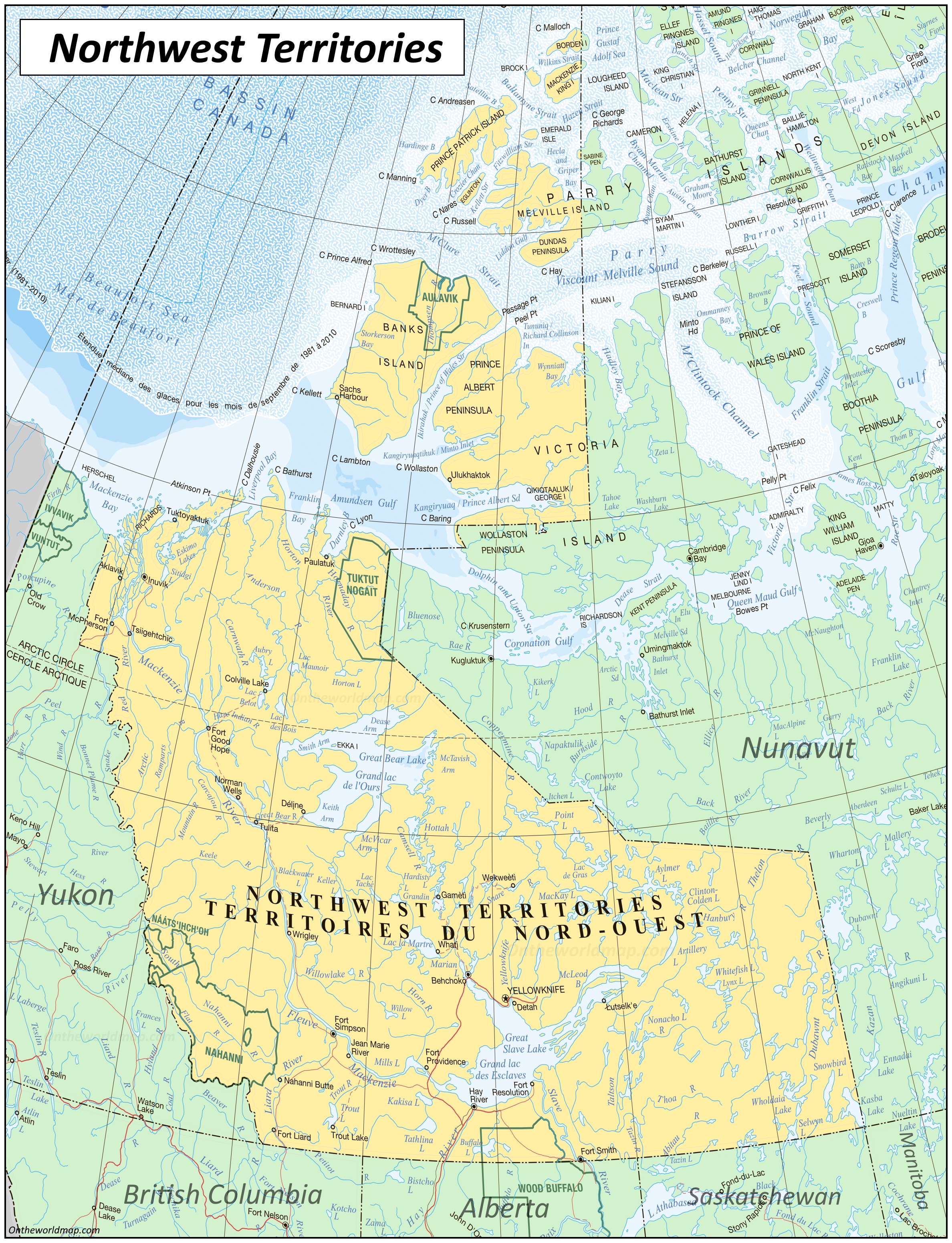
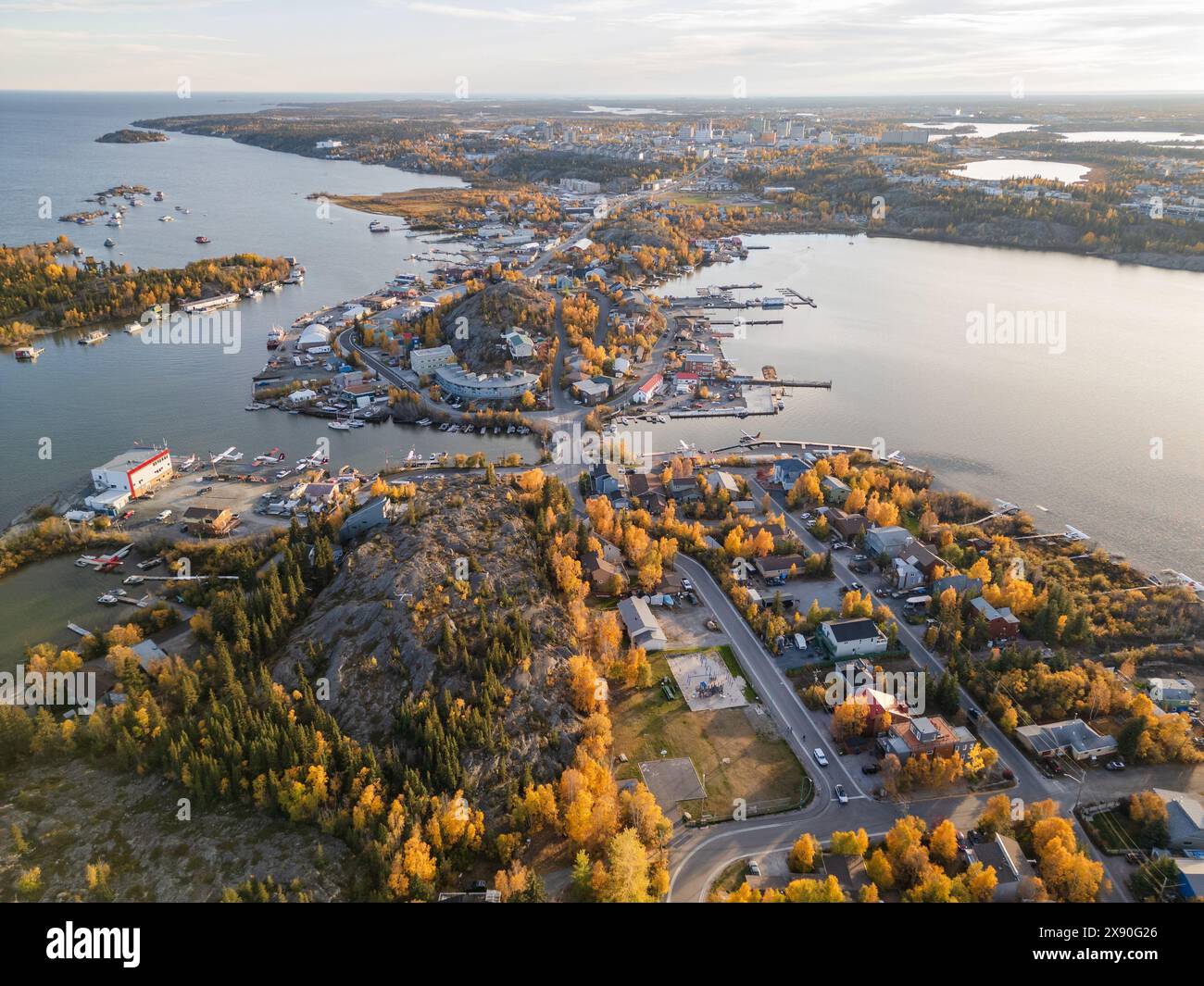
In the administrative heart of the Northwest Territories, the future of linguistic vitality is currently under a microscope. As Canada’s northern territories grapple with demographic shifts and the pressing need for cultural preservation, stakeholders have gathered in Yellowknife to address the critical future of French-language education in the Canadian North. This dialogue is not merely academic; it represents a fundamental challenge in sustaining minority-language rights and ensuring equitable access to quality schooling for Francophone families living in remote, circumpolar environments.
The recent summit serves as a focal point for educators, policymakers, and community leaders who are navigating the complex intersection of federal mandate and regional reality. Among those leading the conversation is Patrick Arsenault, the Director General of the Collège nordique francophone, who has been instrumental in articulating the multifaceted barriers—ranging from recruitment challenges to infrastructure limitations—that define the current landscape of French instruction in the Northwest Territories.
For observers of Canadian economic and social policy, the stakes are clear. Education serves as the bedrock of community development, and in the North, the ability to provide high-quality, linguistically appropriate schooling is a key indicator of regional stability. As we look at the broader context of the Official Languages Act, the pressure to maintain robust educational pathways for minority communities remains a high-priority fiscal and social objective for the federal government.
The Strategic Importance of Northern Francophonie
The Northwest Territories (NWT) presents a unique case study in bilingualism. Unlike the dense Francophone corridors of Eastern Canada, the North requires a decentralized, highly adaptable approach to language preservation. Education in this region is governed by a complex framework involving both the territorial government and federal funding streams designed to support official language minorities. According to the Department of Education, Culture and Employment (ECE), the territory is committed to providing inclusive and accessible programming, yet the logistical reality of the North often complicates these mandates.
The discussions in Yellowknife have highlighted that the future of French-language education is tethered to the broader economic health of the North. When schools struggle to find qualified bilingual teachers, the ripple effect is felt in local economies and the ability of the region to attract and retain professional talent. The Collège nordique francophone, as a specialized institution, plays a vital role in this ecosystem, acting as a bridge for adult education and specialized training that traditional K-12 systems may not provide.
Key Challenges in Educational Delivery
During the summit, several recurring themes emerged regarding the institutional health of French-language education. These are not merely local grievances but systemic issues that reflect broader trends in Canadian public policy:
- Human Capital Constraints: The recruitment and retention of bilingual educators in remote northern communities remain the primary hurdle. High costs of living and the isolation of northern postings require innovative incentive programs.
- Infrastructure and Access: Maintaining facilities that can support both standard curricula and specialized language programming requires significant capital investment, often competing with other essential infrastructure needs in the NWT.
- Curriculum Relevance: There is a growing demand for educational content that is not only in French but is also culturally relevant to the Northern experience, incorporating indigenous perspectives and the realities of life in a sub-arctic climate.
- Digital Integration: The shift toward remote learning tools has provided some relief, but the digital divide remains a significant barrier for students in the most isolated communities.
Economic Policy and Minority Language Rights
From an economic perspective, the investment in Francophone education is an investment in the human capital of the Canadian North. The Action Plan for Official Languages (2023–2028) underscores the federal government’s commitment to supporting minority-language educational institutions. However, the efficacy of these funds is often determined by the ability of local organizations to execute programs on the ground.

The summit emphasized that the “future of French-language education in the Canadian North” is not a static goal but a dynamic process. It requires constant negotiation between territorial requirements and the rights afforded under the Canadian Charter of Rights and Freedoms. For business leaders and policymakers, supporting these educational initiatives is essential for fostering a diverse, skilled workforce capable of navigating the globalized economy while maintaining local cultural integrity.
Moving Forward: What to Watch
The outcomes of the Yellowknife summit are expected to inform upcoming budgetary consultations for the next fiscal year. Stakeholders are particularly focused on how the NWT government will allocate its portion of federal transfers specifically earmarked for official languages. The next major checkpoint for these initiatives will be the release of the territorial government’s annual report on education and training outcomes, typically published in late spring.
As these discussions evolve, it is vital for the public to remain engaged. The strength of our educational institutions is a reflection of our collective commitment to diversity and inclusion. We invite our readers to share their perspectives on the role of specialized language colleges in their own regions. Does your community face similar challenges in balancing minority language rights with the realities of modern infrastructure? Let us know in the comments below.
Worth a look