
Apple has begun implementing new age-verification protocols for its App Store in Texas, a move that signals a significant shift in how digital marketplaces comply with evolving state-level regulations regarding online safety for minors. As technology continues to integrate deeply into the daily lives of younger users, the tension between data privacy, platform accessibility, and state-mandated protection measures has moved to the forefront of the tech industry’s regulatory landscape.
The transition arrives as Texas continues to enforce House Bill 18 (HB 18), also known as the Securing Children Online through Parental Empowerment (SCOPE) Act. Signed into law by Governor Greg Abbott in 2023, the legislation requires digital service providers to implement measures that prevent minors from accessing harmful content and restricts certain data-collection practices for users under the age of 18.
Navigating the SCOPE Act: What Has Changed
For users in Texas, the most immediate impact of these adjustments is a heightened requirement for age verification when engaging with Apple’s digital ecosystem. While Apple has long maintained parental control features—such as “Ask to Buy” and Screen Time—the new compliance measures require the company to align its internal verification systems with the specific legal mandates set forth in the Texas Business and Commerce Code regarding digital service providers. The state’s move toward stricter oversight is part of a broader, nationwide trend where lawmakers are increasingly holding tech giants accountable for the digital environments they provide to adolescents.
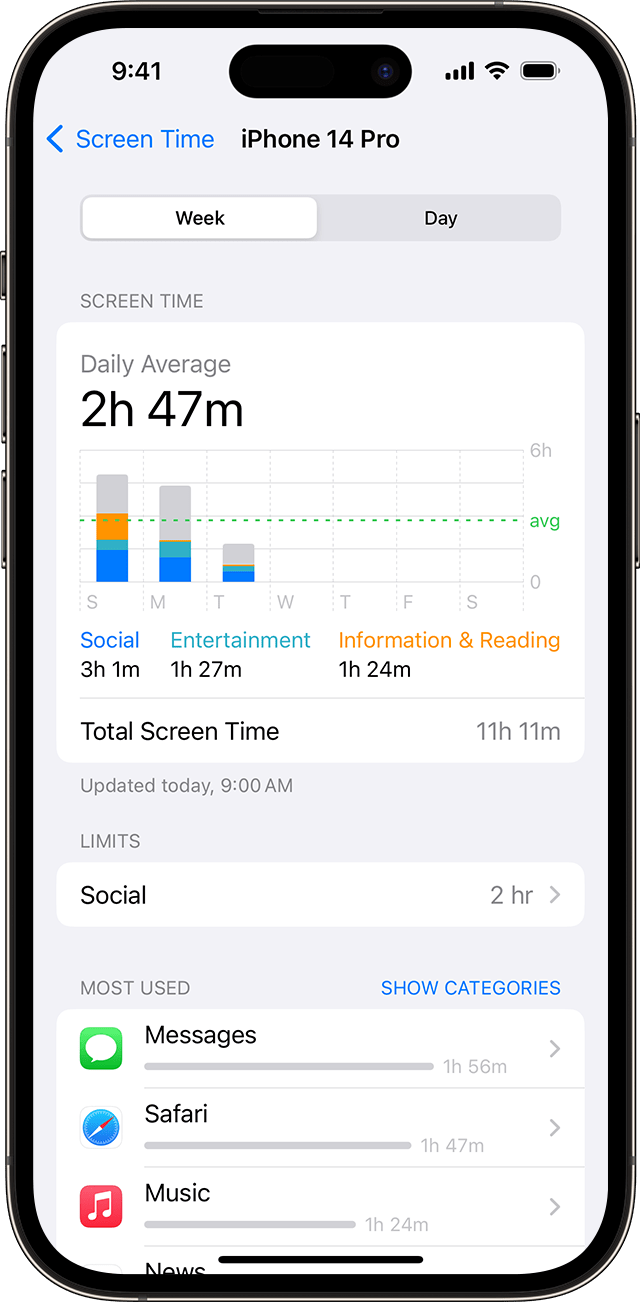
This implementation is not merely a technical update; it represents a fundamental change in the user experience. By requiring more robust age confirmation, Apple is navigating the difficult balance of ensuring compliance while maintaining the privacy-centric reputation that is central to its brand identity. For parents and guardians, this means that Apple accounts associated with minors in Texas may soon encounter prompts or restrictions that were previously not enforced with the same level of regulatory rigor.
The Regulatory Landscape and Industry Impact
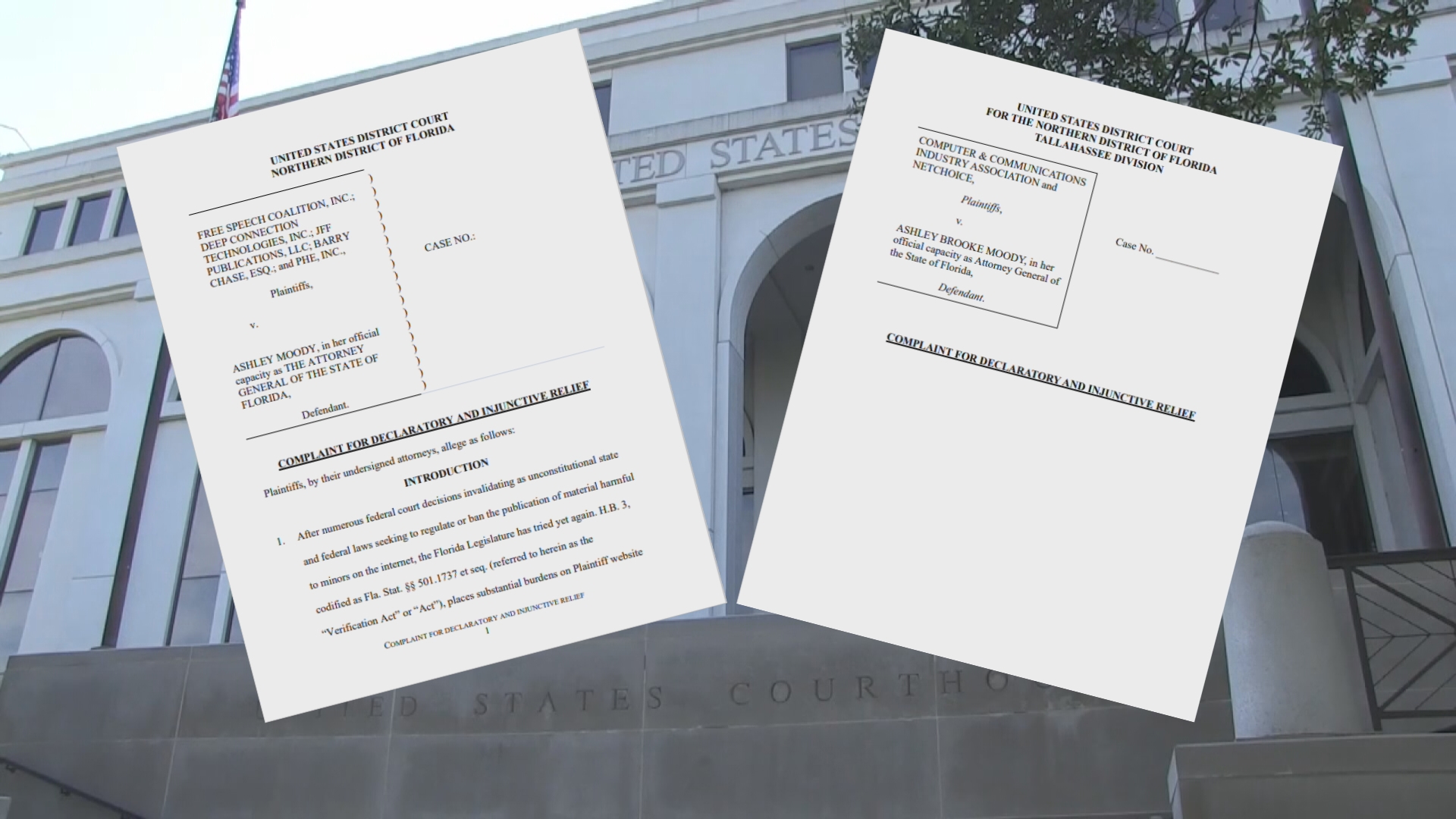
The legal framework surrounding digital safety for minors is currently in a state of flux. Beyond Texas, various states have attempted to pass similar legislation, often leading to legal challenges from industry groups who argue that such mandates may infringe upon First Amendment rights or impose undue technical burdens. These court battles highlight the difficulty of creating a uniform standard for digital age verification, as platforms must now reconcile federal privacy laws like the Children’s Online Privacy Protection Act (COPPA) with a growing patchwork of state-level statutes.
From an engineering perspective, verifying age without compromising user data is a complex challenge. Traditional methods—such as requesting government-issued identification—can be invasive and raise significant privacy concerns. Instead, companies are increasingly looking toward “privacy-preserving” methods, such as age estimation algorithms or relying on existing account history, though the effectiveness and regulatory acceptance of these tools remain subjects of intense debate among industry stakeholders and privacy advocates.
Key Takeaways for Texas Users
- Compliance Updates: Apple is adjusting its App Store operations to meet the requirements of the Texas SCOPE Act.
- Parental Controls: Users are encouraged to review their Apple ID settings and ensure that “Family Sharing” and “Screen Time” configurations are up to date.
- Age Verification: Expect potential prompts for age confirmation when accessing specific services or downloading content categorized for older audiences.
- Privacy Considerations: Apple continues to emphasize its commitment to privacy, aiming to verify age while minimizing the collection of sensitive personal data.
What Happens Next?
The situation in Texas remains a primary indicator of how the tech industry will handle similar legislation in other jurisdictions. As the SCOPE Act continues to be applied, we expect to see further refinements to the App Store’s interface, and policies. Legal analysts are closely watching pending litigation, as rulings in federal courts could eventually set a precedent that either validates or strikes down these state-level digital safety requirements.

For now, users in Texas should remain vigilant regarding their account settings and monitor official communications from Apple regarding any further changes to their digital services. As the regulatory environment evolves, maintaining open communication with children about online safety remains the most effective tool for parents and guardians. We will continue to track the legal filings and technical updates surrounding this rollout as they develop. Have you noticed changes in your App Store experience, or do you have questions about how these new policies affect your family? Share your thoughts in the comments below.
Related reading