Zandvoort, the popular Dutch seaside resort town, has recently seen a rise in public order concerns following a series of incidents along its iconic boulevard. As temperatures climbed during the recent holiday period, local authorities and law enforcement faced increased pressure to maintain public safety amidst reports of antisocial behavior and violent altercations involving groups of young people. These events have sparked a broader conversation in the Netherlands regarding public safety in recreational areas and the challenges of policing high-density tourist hotspots.
The core of the recent discourse centers on reports of youth groups—described by some witnesses as speaking with a specific regional accent—engaging in intimidating behavior and, in at least one documented instance, a physical assault involving a bladed weapon. Local police are actively investigating these reports to determine the scale of the unrest and to ensure the safety of both residents and the thousands of visitors who flock to the Zandvoort coastline annually. For those planning a visit, the Dutch National Police continue to urge the public to report any suspicious activity immediately via official channels.
Understanding the Recent Unrest in Zandvoort
The Zandvoort boulevard, a staple of Dutch summer tourism, has become a focal point for security discussions after reports of a stabbing incident emerged during the Pentecost weekend. According to statements released by the local police unit for Noord-Holland, officers were dispatched to the scene following reports of a confrontation that left an individual with injuries. This incident is part of a wider pattern of disturbances reported by beachgoers, which includes reports of groups blocking pedestrian paths, verbal harassment, and aggressive posturing toward passersby.
While the influx of visitors is a boon for the local economy, the sheer volume of people during warm weather often tests the limits of municipal resources. The local government has historically implemented various measures to manage these crowds, including increased surveillance and the deployment of mobile police units. However, the recent escalation in violence has prompted calls for a more robust security presence. While social media speculation often characterizes the perpetrators through specific linguistic or cultural markers, police investigations focus on criminal behavior and evidence-based identification rather than anecdotal descriptions.
The Impact of High-Density Tourism on Public Order
Zandvoort is one of the most accessible coastal destinations from Amsterdam, making it a primary target for day-trippers. On peak days, the population of the town can swell significantly, creating a high-density environment that requires meticulous management. Experts in urban planning and public safety often point to the “bottleneck effect” on narrow boulevards, where high volumes of pedestrians and a lack of clear separation between different groups can lead to friction.
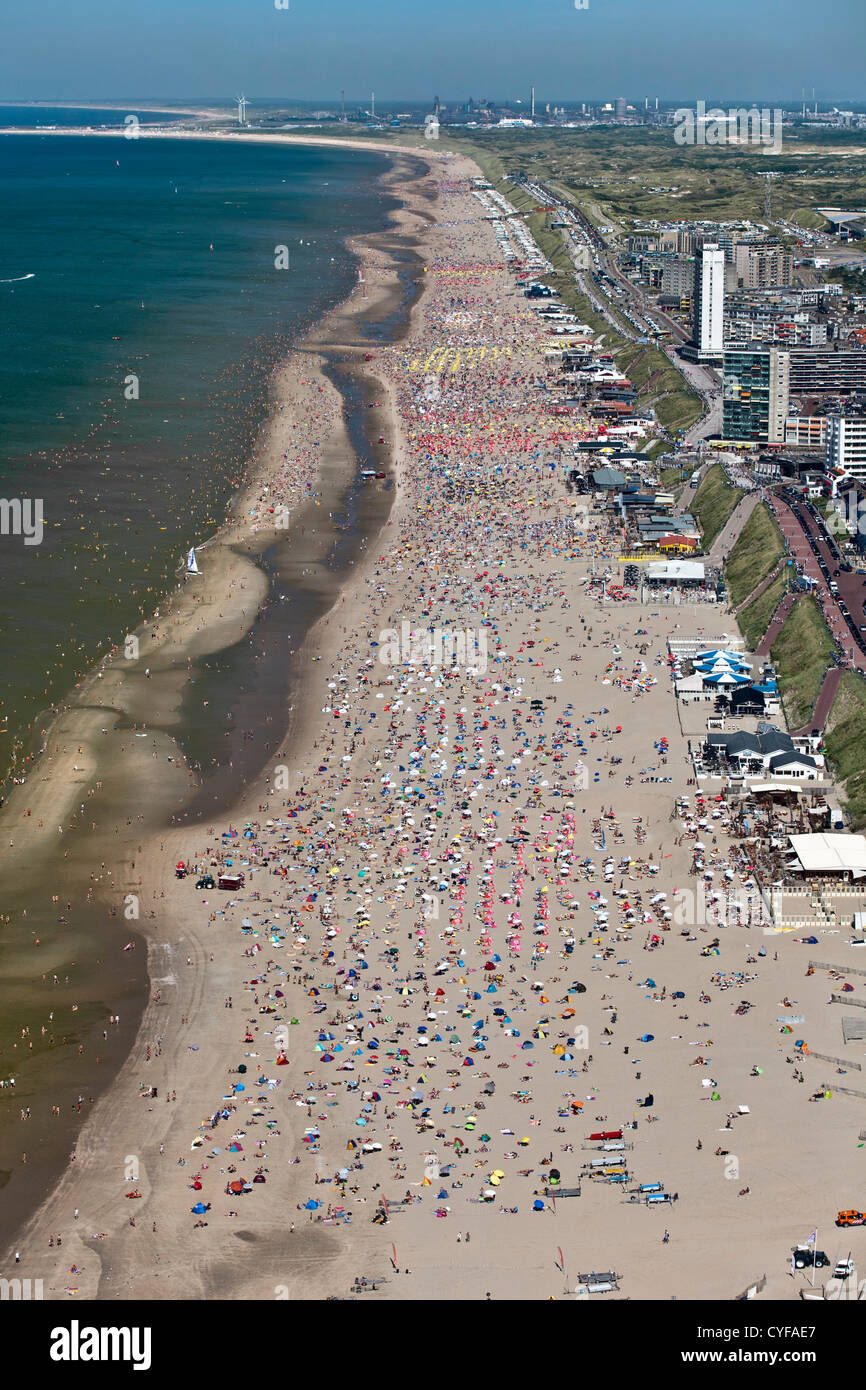
The Municipality of Zandvoort has consistently worked with regional stakeholders to balance the town’s reputation as a welcoming holiday destination with the necessity of maintaining order. Previous efforts have included “host” programs—where designated personnel provide information and de-escalate minor conflicts—and improved lighting and CCTV coverage in high-traffic areas. Despite these measures, the emergence of coordinated or group-based antisocial behavior presents a complex challenge that requires coordination between the municipality, the public prosecutor’s office, and law enforcement agencies.
Key Safety Information for Visitors
For visitors traveling to Zandvoort, it remains essential to stay informed about local advisories. While the beach remains a safe destination for the vast majority of tourists, maintaining situational awareness is standard practice in any high-traffic European resort area. If you witness or are involved in an incident, the following steps are recommended by Dutch authorities:
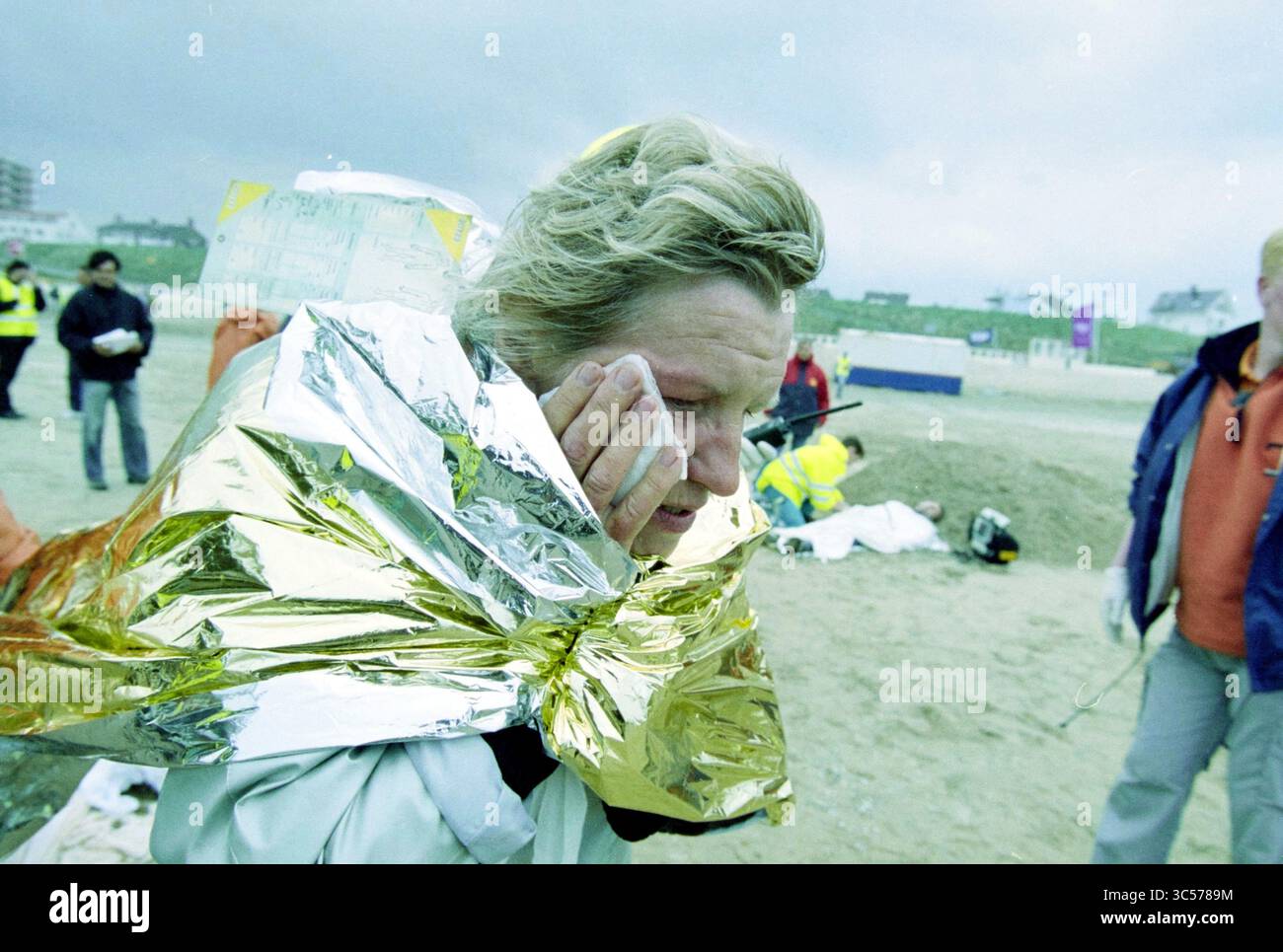
- Emergency Situations: Always dial 112 for immediate police, fire, or medical assistance.
- Reporting Non-Emergencies: For incidents that do not require an immediate response, you can contact the police at 0900-8844 or use the online reporting portal available on the official Dutch Police website.
- Follow Local Directives: If authorities issue specific instructions regarding crowd control or restricted areas, compliance is mandatory to ensure the safety of all present.
The investigation into the recent stabbing is ongoing, and the police have appealed for witnesses to come forward with any footage or information that could assist in identifying the individuals involved. As of the most recent updates, no official arrests have been disclosed in relation to the broader pattern of intimidation, though the investigation remains a priority for the regional police command.
Looking Ahead: What Happens Next?
The situation in Zandvoort is indicative of a broader challenge facing many seaside towns across Europe: the need to maintain a peaceful environment while accommodating a high volume of visitors. The upcoming summer season will likely see a reinforced police presence on the boulevard, with potential adjustments to traffic management and public space usage to prevent future conflicts.
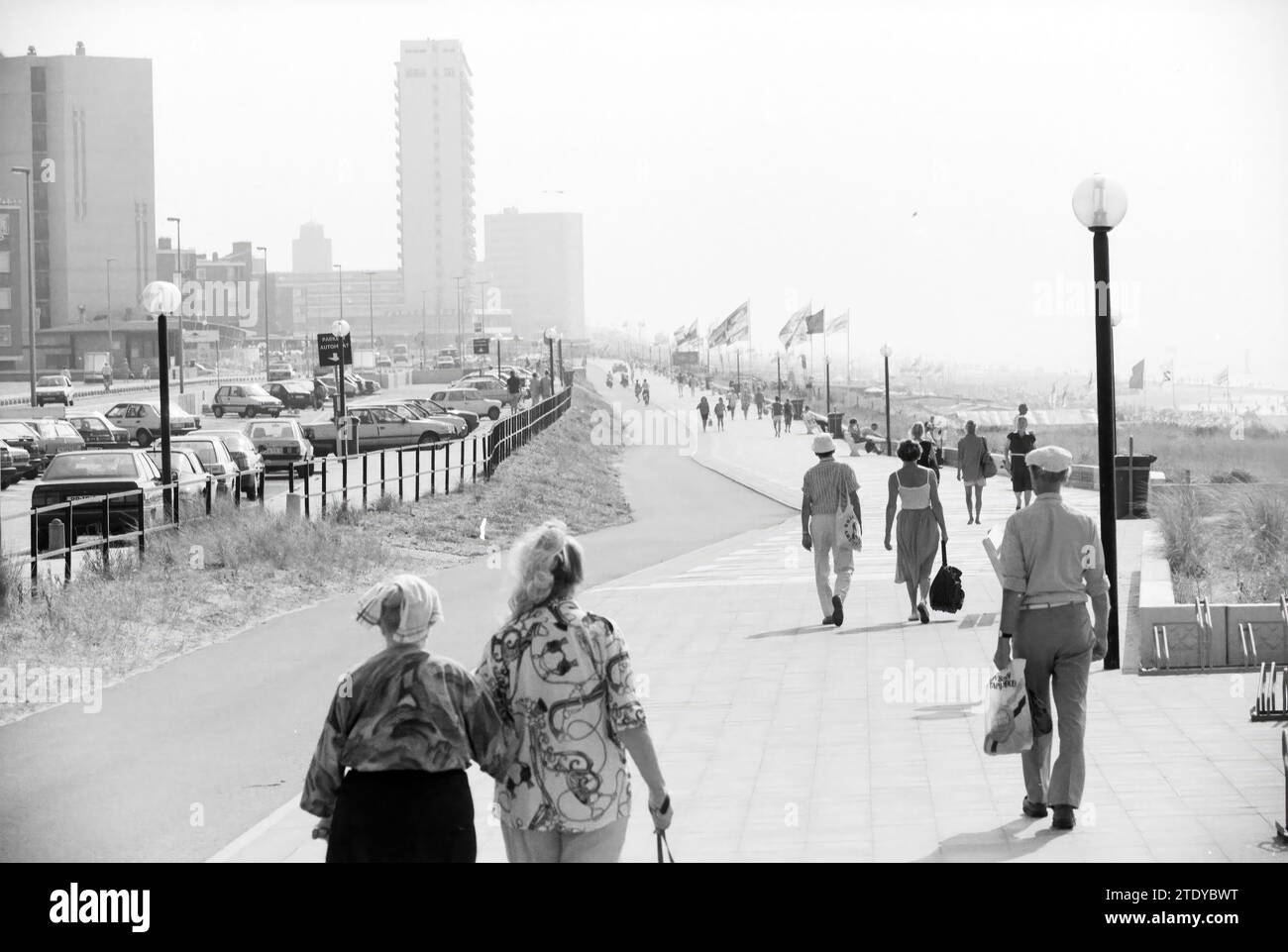
The Dutch police are expected to provide further updates as their investigation progresses. Stakeholders, including local business owners and residents, are currently engaging in dialogues with the municipal council to ensure that proactive security measures are effectively implemented before the peak of the summer holidays. We will continue to monitor these developments and provide updates as verified information becomes available.
Have you been to Zandvoort recently, or do you have insights into how local authorities are managing these security challenges? We encourage our readers to share their thoughts and experiences in the comments section below. For the latest developments on this story, ensure you check back with our news section for verified updates.
Related reading