)
Google has taken a bold step in the wearable tech market with the launch of the Fitbit Air, a screenless fitness tracker priced under €100. This latest addition to the Fitbit lineup marks a significant shift in design philosophy, prioritizing simplicity, affordability, and core health monitoring capabilities over flashy displays. As a technology journalist with a background in computer science, I’ve seen how wearables have evolved—and this device might just redefine what consumers expect from a fitness tracker.
The Fitbit Air arrives at a time when the wearable market is saturated with high-end smartwatches and feature-packed devices, many of which come with steep price tags. By stripping away the screen and focusing on essential functions like step tracking, heart rate monitoring, and sleep analysis, Google (which acquired Fitbit in 2021) is betting on a niche audience: those who prioritize health metrics over notifications and apps. The €100 price point—less than half the cost of many competitors—positions the Fitbit Air as an accessible entry into the world of wearable tech for budget-conscious users.
But what does this mean for the future of fitness trackers? And how does the Fitbit Air compare to existing options? Let’s break down the key features, the potential impact on the market, and why this device might be a game-changer for everyday users.
Fitbit Air: A Screenless Revolution in Wearable Tech
The most striking feature of the Fitbit Air is its absence of a display. Unlike traditional fitness trackers or smartwatches, which rely on screens to deliver notifications, app integrations, and detailed health data, the Fitbit Air communicates through haptic feedback, vibrations, and a companion mobile app. This design choice isn’t just about aesthetics—it’s a deliberate move to reduce distractions and encourage users to focus on their health rather than their devices.
According to Google’s official announcement, the Fitbit Air will monitor key metrics such as steps taken, active minutes, heart rate, and sleep stages. The device syncs seamlessly with the Fitbit app, where users can review their data in detail. While it lacks the screen real estate for on-device notifications, the app provides a centralized hub for all health and fitness tracking. This approach aligns with Google’s broader strategy of integrating health data across its ecosystem, including services like Google Fit and AI-powered insights.
Why remove the screen? The decision to eliminate the display is rooted in several factors. First, screens add to the cost and complexity of manufacturing. By removing this component, Google can offer a more affordable device without compromising on core functionality. Second, studies have shown that excessive screen time—even on wearables—can lead to increased stress and reduced focus. A screenless design encourages mindfulness and reduces the temptation to constantly check notifications.
However, this design choice isn’t without trade-offs. Users who rely on their wearables for real-time alerts, such as calls, texts, or calendar notifications, may find the Fitbit Air limiting. For these individuals, traditional smartwatches or even budget-friendly options like the Fitbit Versa Lite might still be more appealing.
Pricing and Availability: A Budget-Friendly Entry Point
The Fitbit Air is priced under €100, making it one of the most affordable fitness trackers on the market. This price point is a significant departure from Google’s previous Fitbit offerings, which often ranged between €150 and €250. By undercutting competitors, Google is targeting a broader audience, including younger consumers, students, and health-conscious individuals who may have previously been priced out of the wearable market.
As of now, the exact release date and global availability have not been confirmed by Google. However, given the company’s recent announcements at events like Google I/O 2026, it’s likely that the Fitbit Air will be available in major markets within the next few months. For those eager to get their hands on the device, pre-orders may open soon, with official stockists including Google Store, Best Buy, and authorized Fitbit retailers.
It’s worth noting that while the Fitbit Air is screenless, it retains compatibility with existing Fitbit accessories, such as the Fitbit Charge 5’s premium features like ECG monitoring (where available) and advanced sleep analysis. This suggests that Google may eventually introduce a screenless version of higher-end features, further blurring the lines between entry-level and premium wearables.
How the Fitbit Air Compares to Competitors
In a market dominated by screen-heavy wearables, the Fitbit Air stands out as a minimalist alternative. To put it into perspective, here’s how it compares to some of its closest competitors:
| Feature | Fitbit Air | Fitbit Versa 4 | Xiaomi Mi Band 8 | Garmin Venu 3 |
|---|---|---|---|---|
| Display | No screen | 1.4-inch AMOLED | 1.62-inch AMOLED | 1.3-inch color |
| Price (Approx.) | Under €100 | €180–€220 | €50–€70 | €250–€300 |
| Heart Rate Monitoring | Yes | Yes (with ECG) | Yes | Yes (with advanced metrics) |
| Sleep Tracking | Yes (stages, duration) | Yes (detailed insights) | Yes (basic) | Yes (advanced) |
| Notifications | Vibrations only (via app) | On-device alerts | On-device alerts | On-device alerts |
| Battery Life | Up to 7 days (estimated) | 6 days | Up to 14 days | Up to 14 days |
The Fitbit Air’s lack of a screen and lower price make it a compelling option for users who want basic health tracking without the distractions of a smartwatch. However, those seeking advanced features like GPS, music storage, or premium app integrations may still prefer devices like the Garmin Venu 3 or even mid-range options like the Xiaomi Mi Band 8.
Who Is the Fitbit Air For?
The Fitbit Air isn’t designed for everyone. Its target audience includes:
- Budget-conscious buyers: Those who want a fitness tracker without breaking the bank.
- Minimalists: Users who prefer a distraction-free experience and value simplicity over features.
- Health-focused individuals: People who prioritize core metrics like steps, heart rate, and sleep over notifications or apps.
- First-time wearable users: Those new to fitness trackers who may not need the complexity of a smartwatch.
the Fitbit Air may not appeal to:
- Users who rely on their wearable for real-time alerts (e.g., calls, messages).
- Those who want advanced health features like blood oxygen monitoring or ECG (unless these are added in future updates).
- Tech enthusiasts who enjoy customizable watch faces and app ecosystems.
The Future of Wearables: Less Screen, More Focus?
Google’s move with the Fitbit Air raises an fascinating question: Is the future of wearables screenless? While it’s unlikely that all devices will follow this path, the trend toward minimalism and health-focused design is growing. Companies like Apple and Samsung have already introduced simpler, more affordable wearables, such as the Apple Watch Nike and Samsung Galaxy Fit, which prioritize fitness over smart features.
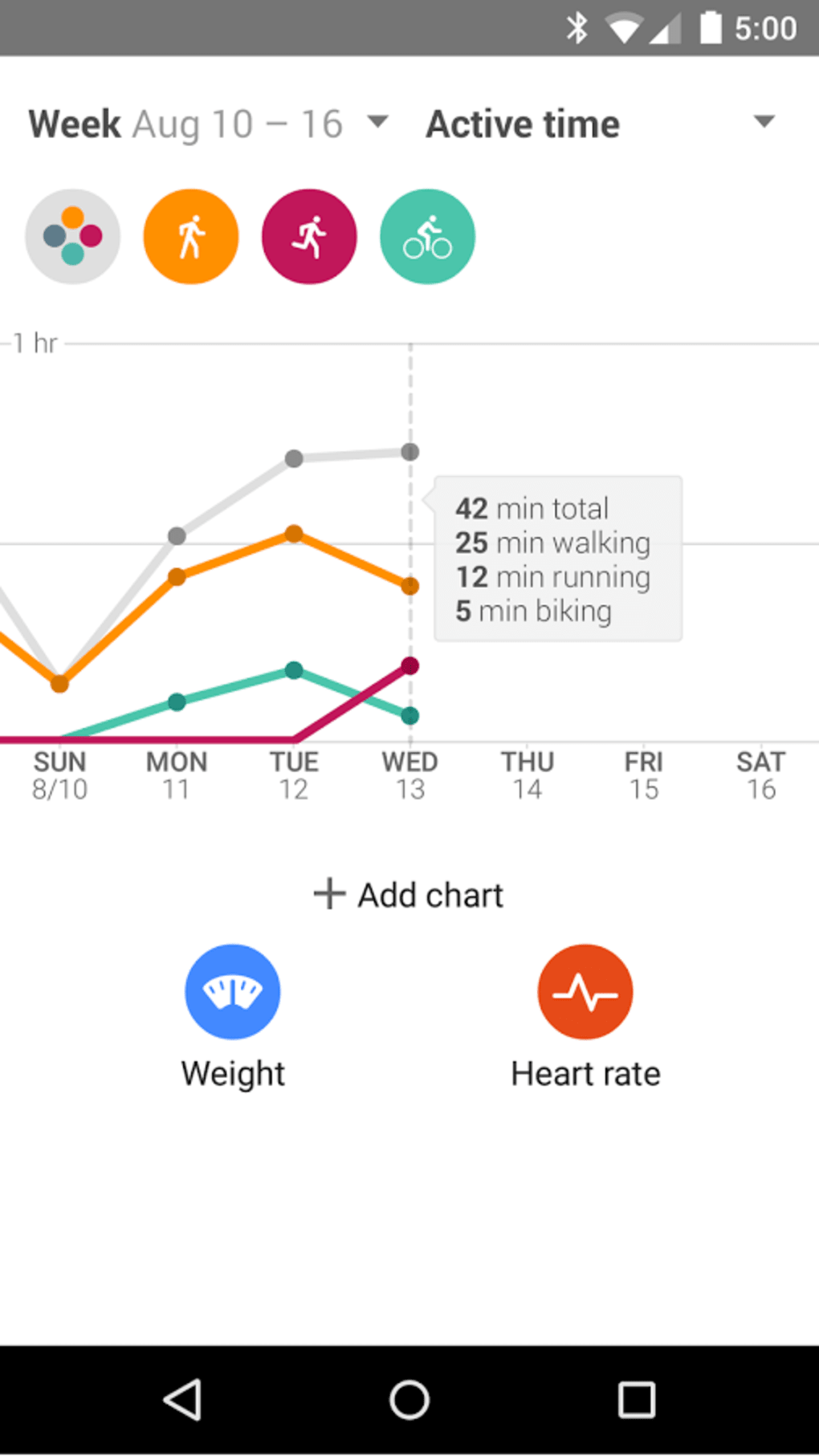
For Google, the Fitbit Air could be a strategic play to capture market share in the budget segment while also reinforcing its commitment to health and wellness. By integrating Fitbit data with Google’s broader ecosystem—including AI-driven insights via Google’s AI Search and health-focused tools like Google Fit—the company is positioning itself as a leader in the health-tech space.
What’s next for the Fitbit Air? Google has not yet announced plans for updates or additional features, but given the success of previous Fitbit models, People can expect improvements in battery life, sleep tracking accuracy, and potentially even new sensors in future iterations. The company may also explore partnerships with healthcare providers to offer more personalized insights, leveraging its vast trove of anonymized health data.
Key Takeaways
- The Fitbit Air is a screenless fitness tracker priced under €100, targeting budget-conscious users who prioritize health metrics over smartwatch features.
- It monitors steps, heart rate, and sleep stages but relies on haptic feedback and a companion app for data access.
- Google’s design choice reflects a trend toward minimalism in wearables, reducing distractions and focusing on core health tracking.
- While it lacks advanced features like GPS or ECG, the Fitbit Air offers a simpler, more affordable alternative to traditional smartwatches.
- The device’s success could influence future wearable designs, potentially leading to more screenless or minimalist options in the market.
Final Thoughts: A Step Forward or a Niche Play?
The Fitbit Air is a bold experiment in wearable design. Whether it becomes a mainstream hit or remains a niche product depends on how well it meets the needs of its target audience. For those who value simplicity, affordability, and health-focused tracking, the Fitbit Air could be a game-changer. For others, it may feel like a step backward in a market that’s increasingly focused on connectivity and smart features.
One thing is clear: Google is doubling down on health tech, and the Fitbit Air is just the beginning. As AI and health data integration continue to evolve, we can expect even more innovative—and perhaps screenless—wearables in the future.
What do you think? Is the Fitbit Air the future of fitness trackers, or is it a missed opportunity? Share your thoughts in the comments below, and don’t forget to follow World Today Journal for the latest updates on tech and innovation.