
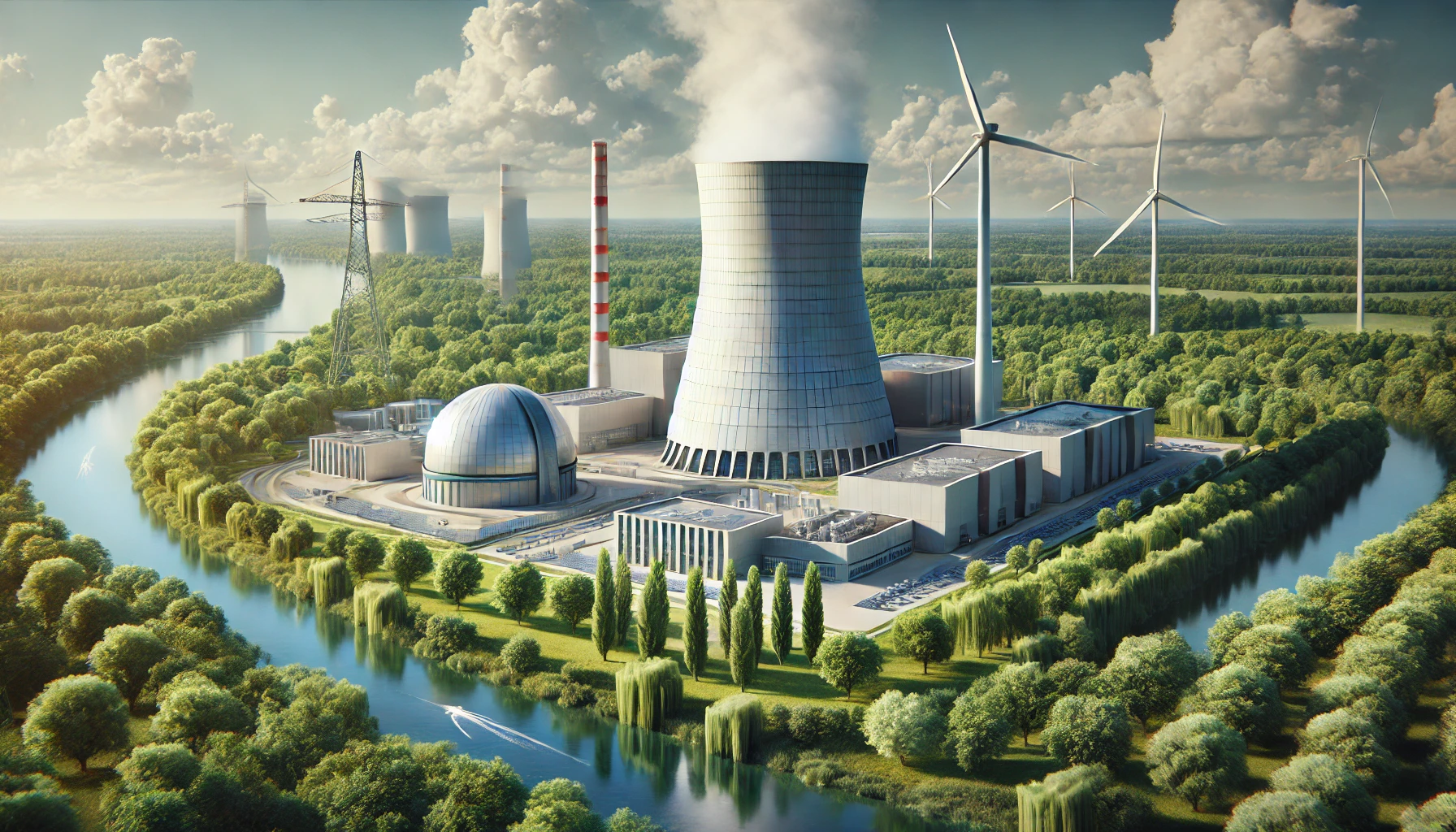
Forty years after the Chernobyl disaster, a complex interplay of energy security concerns, geopolitical shifts, and technological advancements is driving renewed interest in nuclear power. Whereas the specter of Chernobyl continues to loom large, the European Union, and indeed nations globally, are re-evaluating the role of nuclear energy in a world grappling with climate change and volatile fossil fuel markets. This resurgence, often termed a “renaissance,” is not without its critics, raising questions about safety, waste disposal, and the long-term sustainability of this controversial energy source.
The Chernobyl disaster, occurring on April 26, 1986, at the Chernobyl Nuclear Power Plant in Prypiat, Ukrainian SSR (now Ukraine), remains the most catastrophic nuclear accident in history. A flawed reactor design and operational errors during a safety test led to a steam explosion and fire, releasing massive amounts of radioactive materials into the atmosphere. The immediate aftermath resulted in two deaths among plant staff, but the long-term consequences, particularly the increase in cancer rates and the displacement of populations, continue to be felt today. The International Atomic Energy Agency (IAEA) estimates that approximately 4,000 deaths are attributable to the radiation exposure from the accident, though estimates vary significantly. The IAEA continues to monitor the long-term effects of the disaster and supports remediation efforts.
The Shifting Landscape of Nuclear Energy
The initial response to Chernobyl was a global slowdown in nuclear power development. However, in recent years, several factors have contributed to a change in perspective. The urgency of addressing climate change, driven by the increasing impacts of global warming, has led many countries to reconsider nuclear energy as a low-carbon alternative to fossil fuels. Nuclear power plants do not produce greenhouse gas emissions during operation, making them an attractive option for reducing carbon footprints. The energy crisis triggered by geopolitical events, such as the war in Ukraine, has highlighted the vulnerability of relying on a limited number of energy suppliers and the demand for greater energy independence.

The European Union, in particular, has been at the forefront of this debate. While historically divided on the issue, the EU has recently moved towards a more nuanced approach. In 2022, the European Commission proposed a taxonomy for sustainable finance that included certain nuclear activities, classifying them as environmentally sustainable under specific conditions. This decision, however, has been met with opposition from some member states, notably Austria, which has long been a staunch opponent of nuclear power. The inclusion of nuclear energy in the taxonomy reflects a growing recognition of its potential role in achieving the EU’s climate goals, but it also underscores the ongoing political and ethical complexities surrounding its apply.
Technological Advancements and Modern Reactor Designs
Alongside the changing political climate, advancements in nuclear technology are also fueling the renewed interest in nuclear power. Traditional large-scale nuclear reactors, like the one at Chernobyl, are being complemented by new designs that promise enhanced safety and efficiency. Small Modular Reactors (SMRs) are gaining traction as a potentially disruptive technology. These reactors are smaller in size, more flexible in deployment, and often incorporate passive safety features, reducing the risk of accidents.
Generation IV reactors represent another promising avenue for innovation. These advanced reactor designs aim to improve sustainability, safety, and economics compared to existing reactors. Different Generation IV concepts include molten salt reactors, swift neutron reactors, and high-temperature gas-cooled reactors, each with its own unique advantages and challenges. These technologies are still under development, but they hold the potential to address some of the key concerns associated with traditional nuclear power, such as nuclear waste management and proliferation risks.
The Legacy of Chernobyl and Ongoing Concerns
Despite the advancements in nuclear technology, the legacy of Chernobyl continues to cast a long shadow. The disaster highlighted the potential for catastrophic accidents and the challenges of responding to such events. The exclusion zone surrounding the Chernobyl Nuclear Power Plant, a roughly 2,600-square-kilometer area, remains largely uninhabitable due to persistent radioactive contamination. While wildlife has surprisingly thrived in the absence of human activity, the long-term health effects on the affected populations remain a significant concern.
The issue of nuclear waste disposal remains a major obstacle to the widespread adoption of nuclear power. Spent nuclear fuel contains highly radioactive materials that require long-term storage and isolation. Currently, most countries rely on interim storage solutions, such as on-site storage pools and dry cask storage. However, the development of permanent geological repositories, designed to safely contain nuclear waste for thousands of years, has faced significant political and technical challenges. Finland is currently constructing Onkalo, a deep geological repository expected to begin operations in the 2020s, which could serve as a model for other countries. Posiva, the Finnish company responsible for the project, provides detailed information about the repository’s design and safety features.
Ukraine’s Nuclear Future Amidst Conflict
The ongoing conflict in Ukraine has further complicated the nuclear landscape. Ukraine currently operates four nuclear power plants, which provide a significant portion of the country’s electricity. The Russian invasion in 2022 raised serious concerns about the safety and security of these facilities, particularly the Zaporizhzhia Nuclear Power Plant, which was occupied by Russian forces for several months. The IAEA has repeatedly called for the establishment of a nuclear safety and security zone around the Zaporizhzhia plant to prevent a potential nuclear accident. The situation underscores the vulnerability of nuclear infrastructure in conflict zones and the need for international cooperation to ensure its protection.
In February 2025, Ukraine reported that the protective shell around the Chernobyl plant was damaged by drone strikes, though radiation levels remained stable. This incident highlights the continued risks to the site, even decades after the initial disaster. The ongoing war has also disrupted efforts to decommission the Chernobyl plant and manage the contaminated territory.
Looking Ahead: A Cautious Renaissance?
The future of nuclear energy remains uncertain. While the “renaissance” is gaining momentum, it is likely to be a cautious one, shaped by the lessons learned from Chernobyl and other nuclear accidents. Enhanced safety regulations, technological innovation, and responsible waste management practices will be crucial for building public trust and ensuring the sustainable development of nuclear power. The debate over nuclear energy is not simply a technical one; it is also a political, economic, and ethical one. Finding a balance between the potential benefits of nuclear power and the inherent risks will require careful consideration and international cooperation.
The next key development to watch will be the ongoing assessments of the Zaporizhzhia Nuclear Power Plant by the IAEA and the implementation of any agreed-upon safety measures. Continued monitoring of the Chernobyl exclusion zone and progress on the development of permanent nuclear waste repositories will also be critical. The evolving energy policies of major economies, particularly in Europe and Asia, will ultimately determine the extent to which nuclear power contributes to the global energy mix in the coming decades.
What are your thoughts on the future of nuclear energy? Share your comments below and join the conversation.