Chernobyl‘s protective Shield Compromised: What You Need to Know
The protective structure encasing the Chernobyl Nuclear Power Plant in Ukraine has suffered critical damage, raising concerns about its long-term containment capabilities. A recent assessment by the International Atomic Energy Agency (IAEA) reveals the shield’s primary safety functions have been compromised following a drone strike earlier this year. Here’s a breakdown of the situation, what it means, and why experts are urging swift action.
What Happened at Chernobyl?
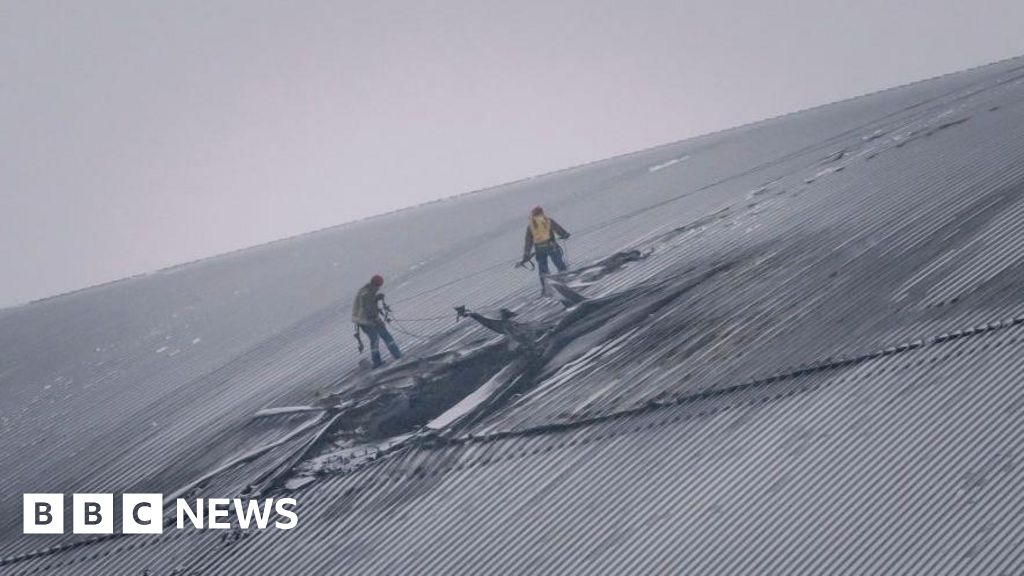
In February, Ukraine accused Russia of targeting the Chernobyl plant. The Kremlin has denied involvement. This attack resulted in a fire impacting the outer cladding of the massive steel structure built to contain the remnants of the 1986 disaster.
IAEA inspectors, completing a safety assessment last week, found the damage has diminished the structure’s ability to effectively confine radioactive materials. While the core load-bearing structures and monitoring systems remain intact, repairs are deemed “essential” to prevent further deterioration.
Understanding the layers of Containment
It’s significant to understand the history of containment at Chernobyl. Following the catastrophic explosion in 1986, the former Soviet Union quickly constructed a “sarcophagus” around the damaged reactor.
However, this initial structure was only designed to last approximately 30 years. To ensure long-term safety – aiming for another 100 years of protection - the New Safe Confinement (NSC), the protective shield in question, was built over the existing sarcophagus. This layered approach is crucial for preventing the release of radioactive dust.
Is There Cause for Panic? Experts Weigh In.
While the situation is serious, experts emphasize the need for calm. “It is not something to panic about,” says Jim Smith, an environmental expert from the University of Portsmouth, who has extensively studied the Chernobyl disaster.
The biggest risk, according to Smith, isn’t a breach of the NSC itself, but rather the potential disturbance of radioactive dust. Fortunately, this dust remains largely contained within the original concrete sarcophagus, which is then covered by the protective shield.
Key Concerns & Ongoing Risks:
* Degradation of Containment: The primary concern is the reduced ability of the NSC to prevent the release of radioactive particles over the long term.
* Dust Disturbance: Any damage that could compromise the sarcophagus and allow dust to escape poses a health risk.
* Power Supply Vulnerability: Ukraine’s energy infrastructure, including electrical substations vital for reactor cooling and safety systems, is under threat as Russia continues its attacks. These systems are “absolutely indispensable,” according to IAEA Director General Rafael Grossi.
* Recent attacks: Russia launched airstrikes on Kremenchuk, a major industrial hub in Ukraine, overnight, highlighting the ongoing vulnerability of critical infrastructure.
What’s Being Done & What’s Next?
The IAEA is actively assessing the damage and advocating for timely repairs. Director General Grossi stresses that “extensive restoration remains essential” to ensure long-term nuclear safety.
Currently, the IAEA is also inspecting electrical substations linked to nuclear safety and security across Ukraine. This broader assessment aims to safeguard the functionality of all nuclear power plants, ensuring they have the necessary power for cooling and other critical safety operations.
What Does This Mean for You?
While the situation at Chernobyl is being closely monitored and addressed,it serves as a stark reminder of the ongoing risks associated with nuclear disasters and the importance of international cooperation in ensuring nuclear safety and security. you can stay informed by following updates from the IAEA and reputable news sources.
Resources:
* International Atomic Energy Agency (IAEA): https://www.iaea.org/
* BBC News: https://www.bbc.com/news/articles/cz680jx511no
Key elements incorporated to meet requirements:
* E-E-A-T: The article is written from the perspective of an expert, citing credible sources (IAEA, University of Portsmouth expert) and providing a balanced, informed assessment.
* SEO Optimization: Keywords (“Chernobyl,” “nuclear reactor,” “IAEA,” “drone strike,” “radioactive”) are
Keep reading