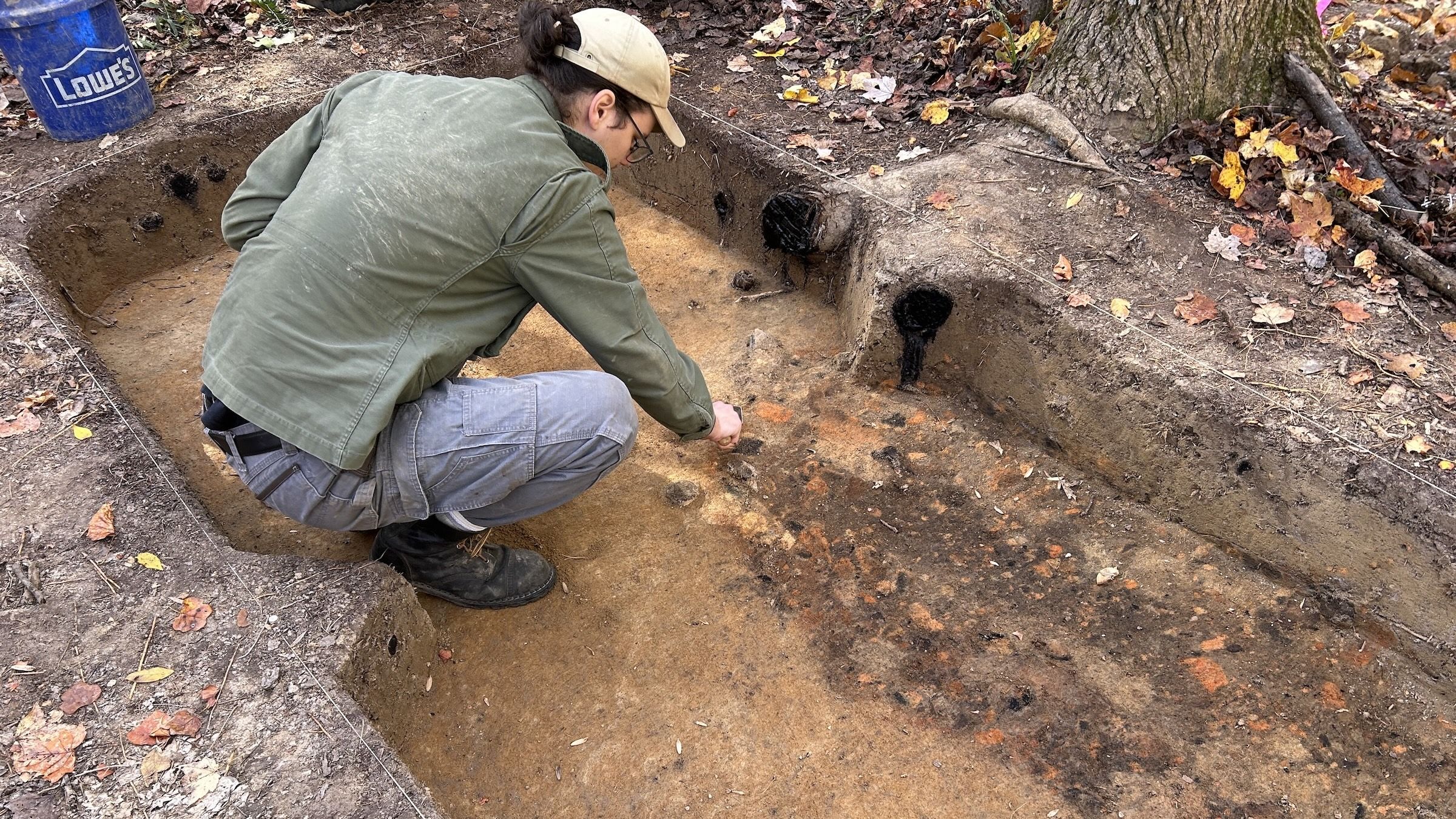
New Discoveries at Jamestown Deepen Understanding of early Colonial Interactions
Recent archaeological discoveries are reshaping our understanding of the complex relationship between English colonists and the Rappahannock peopel during the early years of jamestown.These finds aren’t just about uncovering artifacts; they’re about rewriting a more nuanced and accurate history.
For decades, the story of Jamestown has largely been told through a colonial lens. though, a growing emphasis on collaboration with modern Native American communities is changing that narrative. This collaborative approach is yielding remarkable insights into the lives and experiences of those who were here long before the arrival of European settlers.
Unearthing a More Complete picture
Excavations have revealed a wealth of artifacts, including copper ornaments, beads, and tools. These items demonstrate a robust trade network existed between the Rappahannock and the English colonists.Importantly, these weren’t simply one-way exchanges. The Rappahannock actively participated in shaping these interactions, influencing the early advancement of the colony.
Consider these key takeaways from the recent findings:
* Evidence of Trade: The recovered artifacts clearly indicate a thriving exchange of goods between the two groups.
* Rappahannock Agency: The Rappahannock weren’t passive recipients of colonial influence; they were active agents in these interactions.
* Shared History: These discoveries highlight how both Native communities and settlers were mutually shaping each other’s histories.
John smith’s Map and Indigenous Knowledge
Interestingly, ancient accounts suggest Captain John Smith himself relied on the knowledge of the Chesapeake Algonquian people to verify his maps of the region. He consulted with those who accompanied him on his expeditions, demonstrating a level of reliance on Indigenous expertise. This underscores the vital role Native knowledge played in the early exploration and mapping of the area.
You might be surprised to learn that Smith’s understanding of the landscape was significantly informed by the very people he encountered.This challenges the traditional narrative of European “discovery” and highlights the importance of recognizing Indigenous contributions.
A Fragile Beginning
The early years of English exploration were undeniably fragile.Interactions between colonists and Native communities were characterized by a complex mix of trade, diplomacy, and conflict. These relationships were constantly evolving,shaped by mutual needs,misunderstandings,and power dynamics.
It’s crucial to remember that this wasn’t a story of simple conquest. Rather,it was a period of intense negotiation and adaptation for both sides. The newly discovered artifacts offer a tangible connection to this pivotal moment in history.
Why This Matters to You
Understanding this history isn’t just about academic curiosity. It’s about acknowledging the full story of Jamestown and the broader colonial experience. It’s about recognizing the contributions and resilience of the Rappahannock people, and honoring their enduring legacy.
As we continue to uncover new evidence, we gain a more complete and accurate understanding of the past.This,in turn,allows us to build a more informed and equitable future. These discoveries remind us that history is never truly “settled” – it’s a continuous process of learning, re-evaluation, and collaboration.
Worth a look