Chile’s Presidential Race: A nation Grappling with Migration and Security
Chile is heading into a pivotal election, and the conversation is dominated by immigration and public safety. The December 14th runoff looms large, with a surprising contender gaining momentum.Here’s a breakdown of what you need to know.
The current political climate is heavily influenced by the presence of approximately 337,000 undocumented immigrants, a significant portion of whom are venezuelan. This influx has coincided with growing anxieties surrounding organized crime, particularly the emergence of groups like the Tren de Aragua. These groups have been linked to serious offenses,including kidnappings and extortion,fueling public concern.
One candidate,Johannes Kaiser,is capitalizing on these fears. He’s positioned himself as the most hardline voice on immigration, currently holding third place in the polls and possibly poised for a second-round appearance. Kaiser’s platform centers on aggressive measures.
These include:
* Mass deportations of undocumented immigrants.
* Construction of a border wall.
* Increased firepower for the police force.
* Deployment of the military to areas deemed “critical.”
* Sending individuals with criminal records to a newly constructed high-security prison, modeled after the one in El Salvador.
I’ve found that voters are increasingly focused on tangible solutions to perceived security threats, and Kaiser’s proposals, however controversial, resonate with that desire.
The rise of Kaiser has put pressure on more established candidates. Evelyn Matthei, representing the traditional right, attempted a campaign refresh with a foray into trap music.Unluckily, the effort backfired, becoming a source of widespread ridicule and failing to shift the electoral landscape.
This election isn’t just vital for Chile. It’s being closely watched across South America. Recent electoral setbacks for the left in Argentina and Bolivia have raised the stakes. Upcoming elections in Colombia and Brazil in 2026 add to the sense of urgency.
Here’s what makes this election unique:
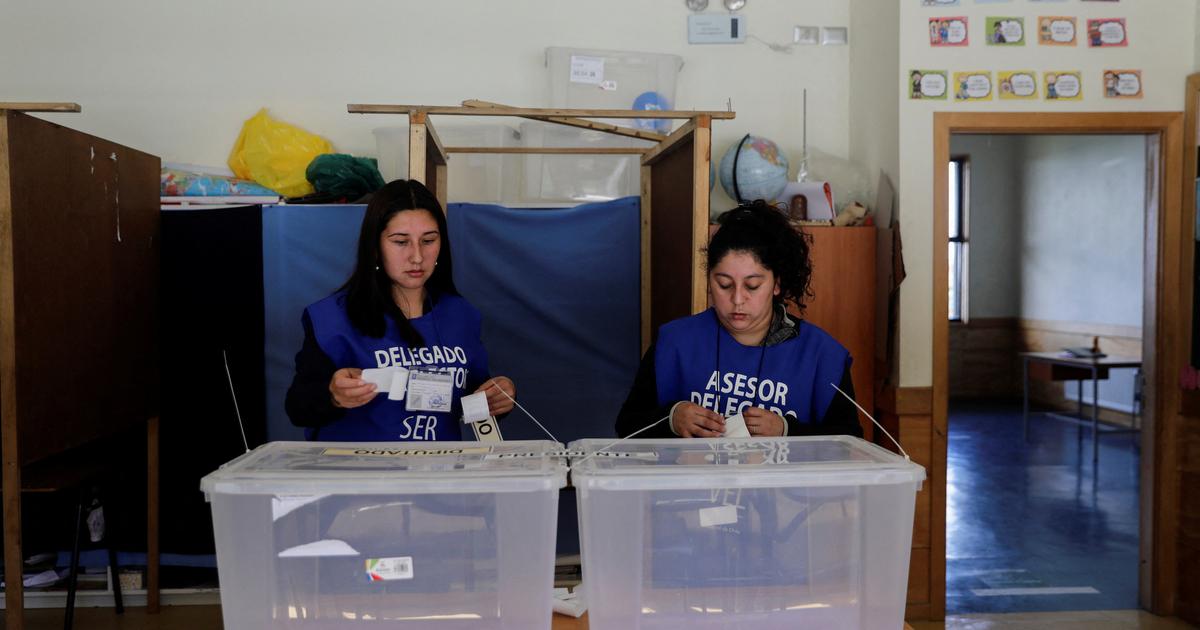
* Mandatory Voting: Chile enforces compulsory voting, meaning a high voter turnout is expected. Failure to vote results in a fine.
* Legislative Renewal: Alongside the presidential race, voters will also be electing members of the Chamber of Deputies and half of the senate.
* Regional Implications: The outcome will likely signal a broader trend in South American politics, potentially influencing the direction of the region.
You might be wondering why this shift is happening now. Several factors are at play. Economic pressures, coupled with concerns about border security, have created a fertile ground for populist rhetoric. Moreover,the perceived failure of traditional political parties to address these issues has opened the door for outsiders like Kaiser.
Ultimately, this election represents a critical juncture for Chile. It’s a moment were voters are weighing security concerns against broader social and political values.The results will undoubtedly shape the country’s future and send ripples throughout the continent.
Keep reading
- Two Killed in High-Speed BMW Crash in Winnetka, Los Angeles
- Lee Jae-myung Defends Legal Use of Mortgages in Apartment Sale
- Why Nighttime Heat Is Rising Faster Than Daytime Highs in US Cities (daybreakwire.com)
- Discover the Unique Taste of Santa Fe with Lalecheria’s Red Chile Blue Corn Biscochito Ice Cream (news-usa.today)