
China has announced that Afghanistan and Pakistan have agreed to avoid further escalation of their current conflict and will work toward a comprehensive solution to the tensions between the two neighbors. The announcement follows seven days of peace talks held in Urumqi, a city in western China, where mediators sought to stabilize a volatile border region plagued by recent violence.
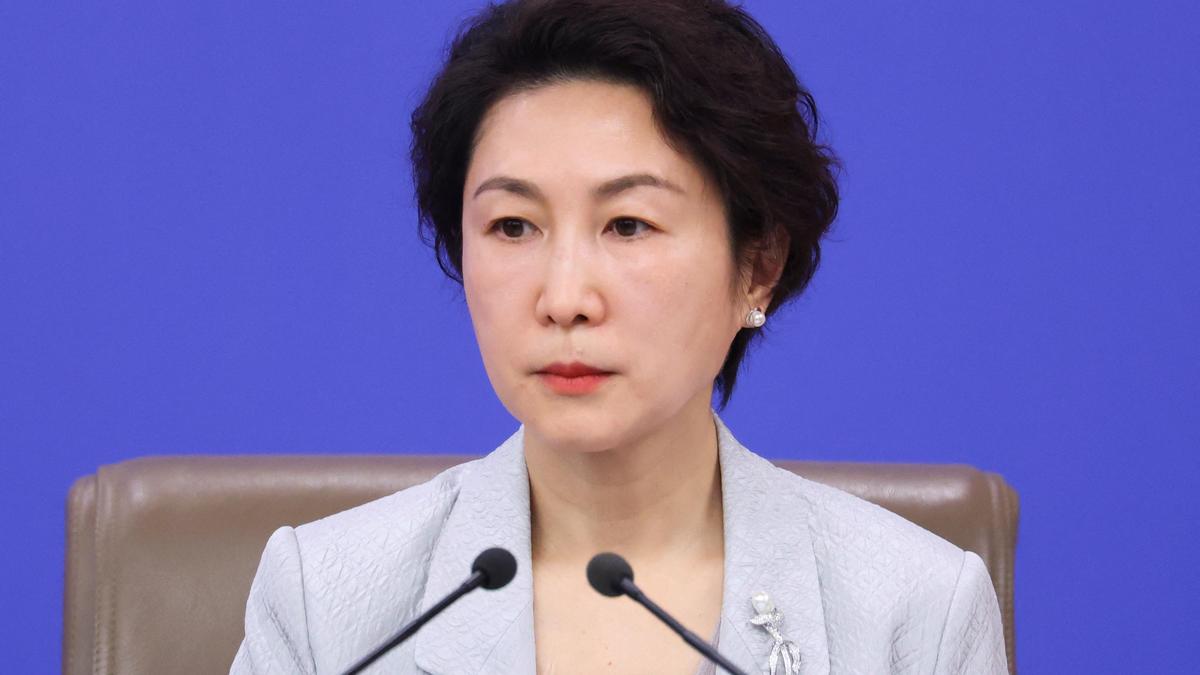
The diplomatic effort comes after several weeks of cross-border fighting that has resulted in the deaths of hundreds of people. According to China’s Foreign Ministry spokesperson Mao Ning, the three parties involved—China, Afghanistan, and Pakistan—have committed to maintaining a dialogue to address the root causes of the instability and have agreed not to seize actions that would complicate the current situation.
The urgency of these talks was underscored by a rapid deterioration in relations starting in February, which saw Pakistan declare it was in “open war” with its neighbor. This period of hostility included Pakistani airstrikes inside Afghanistan, including targets in the capital, Kabul. Conversely, Afghanistan has accused Pakistan of conducting a deadly strike on a drug rehabilitation hospital.
While a permanent peace treaty has not yet been signed, the agreement to Afghanistan and Pakistan agree to avoid escalation marks a critical first step in preventing a full-scale regional war in a territory already burdened by decades of instability.
The Urumqi Peace Talks: Addressing the Core Issues
The mediation process, which took place in Urumqi, was designed to pull both nations away from the brink of expanded military engagement. Mao Ning stated during a daily briefing in Beijing on Wednesday, April 8, 2026, that the participants have now “clarified the core and priority issues that require to be addressed.”
Central to these discussions is the role of militancy. The parties acknowledged that “terrorism is the core issue affecting the relationship,” suggesting that the cross-border violence is deeply tied to the movement and presence of militant groups along the shared frontier. By identifying terrorism as the primary driver of the friction, the mediators hope to shift the focus from territorial skirmishes to coordinated security efforts.
Afghanistan’s Foreign Ministry described the proceedings as “constructive” on Tuesday, while other reports indicate the Afghan government has branded the China-led talks as “useful” in an assessment of the diplomatic progress.
A Timeline of Escalation and Diplomacy
The current crisis intensified in February 2026, leading to a series of violent exchanges. The conflict shifted from sporadic border clashes to more targeted military operations, including the aforementioned airstrikes in Kabul. The human cost has been significant, with hundreds of people killed during the weeks of fighting preceding the Urumqi summit.
The diplomatic timeline of the recent resolution is as follows:
| Date/Period | Event | Outcome |
|---|---|---|
| April 1–7, 2026 | Peace talks in Urumqi, China | Seven days of mediation between Afghanistan and Pakistan. |
| April 7, 2026 | Afghanistan Foreign Ministry Statement | Talks described as “constructive” and “useful.” |
| April 8, 2026 | China Foreign Ministry Briefing | Announcement of agreement to avoid escalation and explore comprehensive solutions. |
What This Means for Regional Stability
The agreement to “explore a comprehensive solution” suggests that while an immediate ceasefire or a reduction in hostilities is the primary goal, the long-term objective is a systemic overhaul of how the two countries manage their border security and counter-terrorism strategies. The involvement of China as a mediator highlights Beijing’s growing role in regional security architecture, leveraging its proximity and diplomatic ties to prevent instability that could affect its own western borders.

For the populations living along the border, such as those near the Torkham crossing in Nangarhar province, the commitment to avoid escalation provides a precarious but necessary reprieve. However, the “open war” declaration by Pakistan and the accusations of strikes on civilian infrastructure, like rehabilitation hospitals, indicate a deep level of mistrust that will require more than a week of informal meetings to resolve.
The commitment to “keep the dialogue” is the most tangible outcome of the Urumqi talks. By establishing a communication channel, the three parties aim to prevent misunderstandings from triggering further airstrikes or border incursions.
Key Takeaways from the Agreement
- De-escalation: Both Afghanistan and Pakistan have pledged not to take actions that would escalate or complicate the existing conflict.
- Terrorism as a Catalyst: All parties identified terrorism as the primary issue destabilizing the bilateral relationship.
- Chinese Mediation: The talks were hosted and mediated by China in Urumqi, emphasizing a multilateral approach to regional peace.
- Continued Dialogue: The agreement is not a final settlement but a commitment to continue talking to locate a “comprehensive solution.”
The international community remains watchful as these two nations attempt to move from a state of “open war” back toward diplomatic engagement. The success of this initiative will likely depend on whether the agreement to avoid escalation translates into a verifiable reduction of military activity on the ground.
The next confirmed step in this process is the continued dialogue between the three parties, as outlined by the Chinese Foreign Ministry, to address the priority issues identified during the Urumqi meetings.
Do you believe diplomatic mediation can permanently resolve the border tensions between Afghanistan and Pakistan? Share your thoughts in the comments below and share this report with your network.