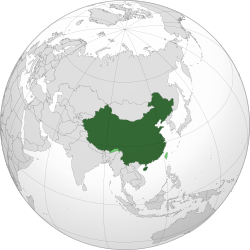
As significant meteorological events continue to challenge regional infrastructure across China, the recent surge in intense rainfall has prompted a series of high-level emergency responses from local and provincial authorities. Understanding why this particular cycle of precipitation has proven so robust requires a look at both the atmospheric dynamics currently influencing East Asia and the proactive disaster mitigation strategies being deployed by municipal governments to safeguard public safety.
The intensity of the current weather pattern—often categorized as a “heavy rainfall process”—is frequently driven by the convergence of moisture-laden air masses interacting with complex topographical features. For those following the broader implications of these storms, the focus has shifted toward how extreme weather events necessitate a transition from reactive emergency management to a model of “combat-ready” preparedness. This shift is particularly evident in the systematic adjustments being made by officials to ensure that flood control measures are both precise and actionable.
The Atmospheric Drivers Behind Recent Precipitation
Meteorologists frequently point to the interaction between the subtropical high and cold air incursions as a primary engine for persistent, heavy rainfall in southern and eastern China. When these systems stall over a specific region, they create a continuous conveyor belt of moisture, leading to what is scientifically termed “stationary convective systems.” According to data from the China Meteorological Administration, these events are increasingly characterized by high precipitation rates over short durations, which tests the capacity of urban drainage systems and rural flood-control infrastructure.
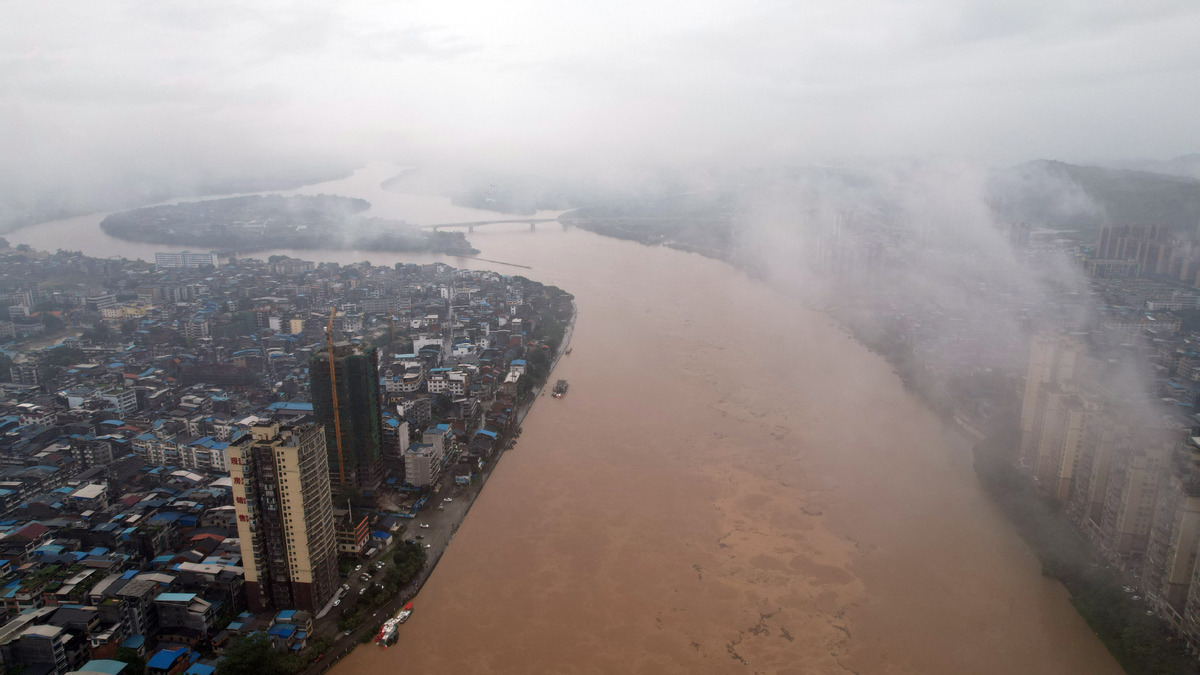
The severity of these events is not merely a product of volume but of duration. As climate patterns shift, the frequency of “extreme precipitation days” has become a central concern for regional planning committees. These entities must now reconcile historical hydrological data with contemporary climate variability to determine the necessary height and reinforcement of flood barriers. The recent emergency briefings in provinces such as Hubei and Jiangxi highlight the transition toward real-time data monitoring, where local departments utilize satellite telemetry to trigger evacuation protocols before critical thresholds are breached, as outlined in the National Flood Control and Drought Relief Headquarters guidelines.
Institutional Response and Disaster Mitigation
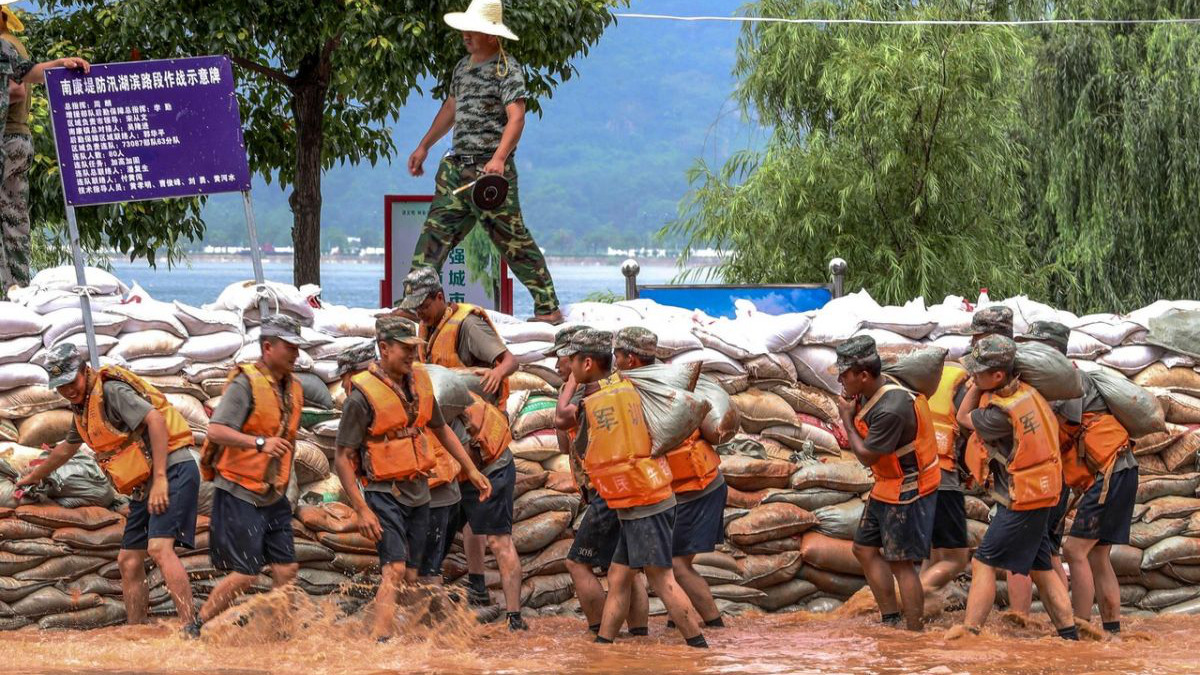
In response to the alerts, provincial and municipal leadership have moved to implement rigorous emergency scheduling. The focus has been on “combat-style” readiness—a term used by officials to describe the total mobilization of personnel and resources. For instance, in areas like Yichun and Loudi, local government bodies have convened emergency sessions to address the structural integrity of water-retention facilities. These sessions are not merely administrative. they serve as critical coordination points for the deployment of rapid-response teams, including the paramilitary and local water-management bureaus, to reinforce levees and monitor reservoir levels around the clock.
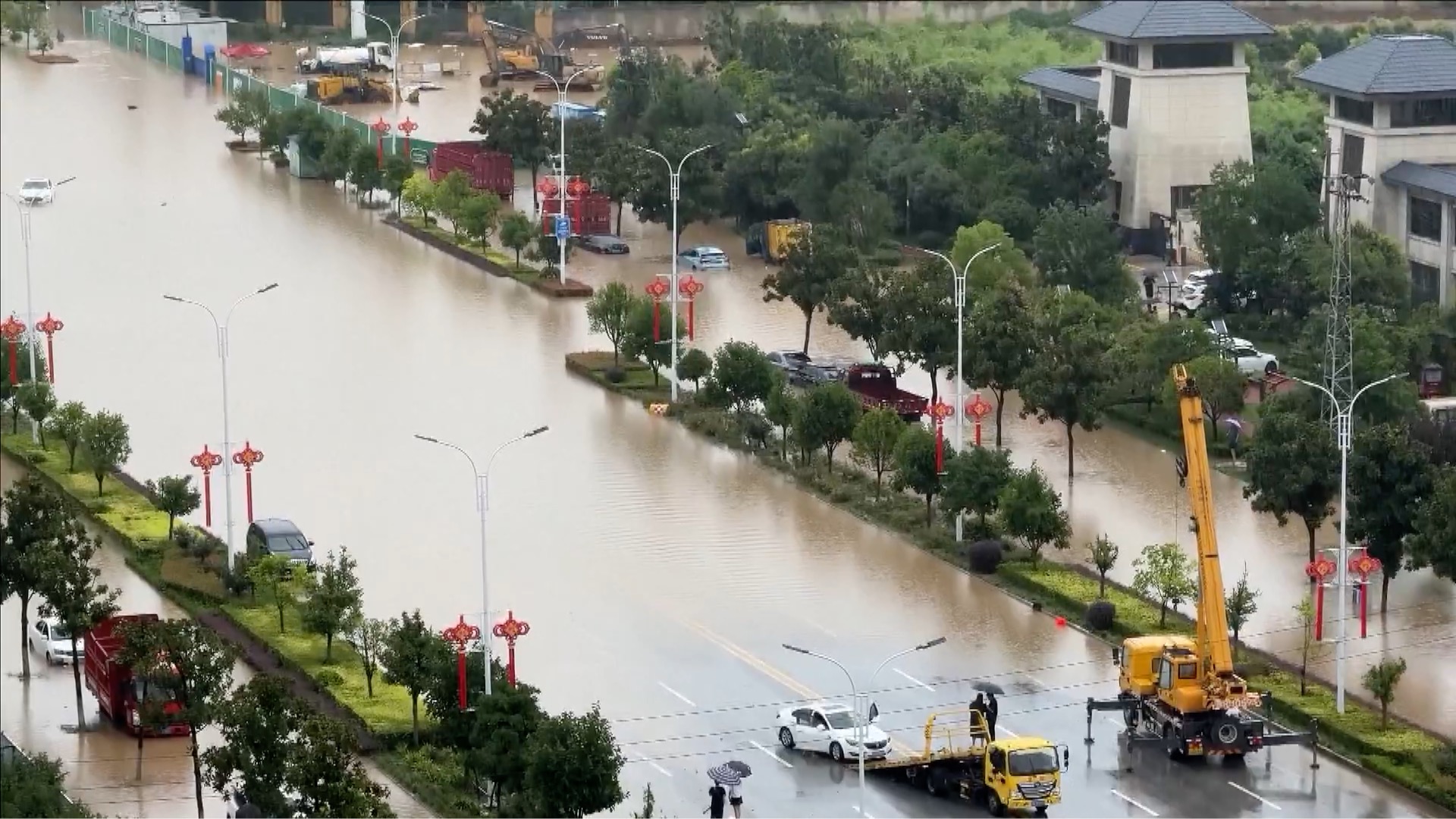
The strategy involves a multi-pronged approach:
- Real-time Surveillance: Utilizing automated sensor networks to monitor water levels in real-time, allowing for immediate alerts to downstream communities.
- Infrastructure Hardening: Rapid reinforcement of flood-prone sections of riverbanks and urban drainage pipes to prevent localized inundation.
- Resource Pre-positioning: Staging emergency supplies, including pumps, sandbags, and medical aid, in high-risk zones to ensure immediate accessibility should the situation escalate.
These actions are consistent with the broader national mandate to prioritize the “people-first” principle in disaster management. This policy framework, reinforced by the Ministry of Emergency Management, dictates that every level of government must account for potential casualty risks during the flood season and take preemptive steps to mitigate economic losses to agriculture and housing.
What It Means for the Future of Flood Management
The recurring nature of these heavy rainfall events poses a long-term challenge for urban planners. As cities expand, the increase in impermeable surfaces—such as concrete and asphalt—exacerbates runoff, leading to flash flooding. The focus has shifted toward the “Sponge City” concept, which aims to improve water retention and natural drainage within urban environments. While these projects require significant capital investment and time, they represent the most viable path toward building long-term urban resilience against the increasingly volatile monsoon seasons.
For residents, the current climate of heightened alert serves as a reminder of the importance of staying informed through official channels. Local government portals and municipal weather alerts remain the most reliable sources for evacuation notices and safety instructions. As we move further into the season, officials have indicated that the focus will remain on maintaining a state of high vigilance, with recurring, scheduled reviews of all flood-control infrastructure to ensure that no weak points remain in the defensive line.
Key Takeaways for Residents
- Monitor Official Channels: Always rely on verified local government and meteorological bureau updates for the most accurate safety information.
- Know Your Zone: Familiarize yourself with local flood hazard maps and designated evacuation routes provided by municipal authorities.
- Prepare for Disruptions: Extreme weather often impacts power, transport, and communication; ensure you have a basic emergency kit ready.
- Follow Directive Protocols: If local authorities issue an evacuation order, it is based on real-time data regarding dam capacity and rainfall projections; compliance is vital for safety.
As the situation develops, we expect further updates from provincial emergency management departments regarding the status of reservoirs and long-term rainfall forecasts for the coming weeks. We encourage our readers to remain vigilant and keep track of official government announcements as they are released in the coming days. If you have observations or questions regarding local disaster management protocols, please feel free to share your thoughts in the comments section below.
Keep reading