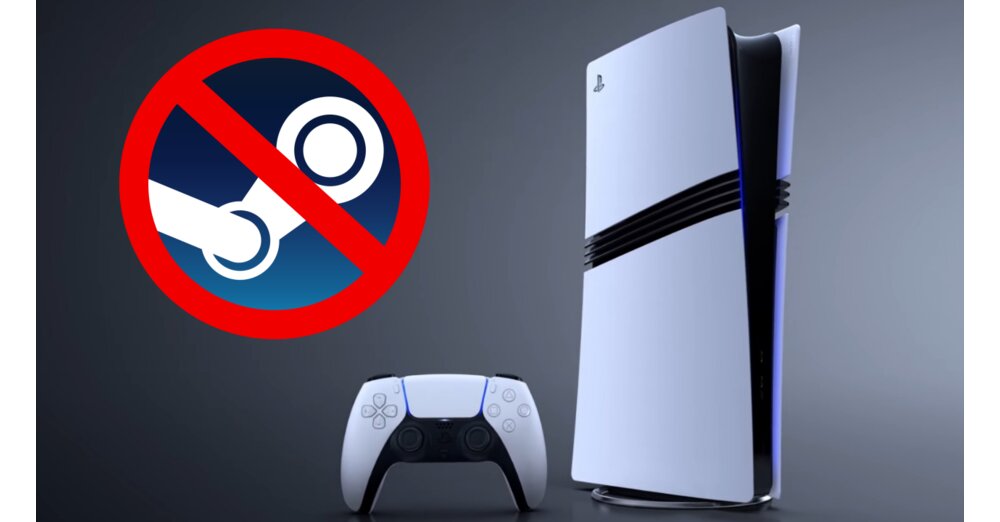
Sony Interactive Entertainment (SIE) has officially abandoned its strategy of releasing single-player PlayStation exclusives on PC, marking a significant shift in the gaming industry’s multiplatform landscape. The decision, confirmed this week, reverses a trend that had seen the company experiment with cross-platform releases—most notably with titles like Ghost of Tsushima and Ratchet & Clank: Rift Apart—and leaves PC gamers with fewer opportunities to play Sony’s flagship single-player experiences outside of its consoles.
While rumors of Sony pulling back from PC ports had circulated for months, the official announcement—made through internal communications to developers and leaked to industry outlets—confirms what many in the gaming community had speculated: Sony is doubling down on its “First-Party First” philosophy, prioritizing exclusivity for its PlayStation hardware. The move comes as Microsoft and Nintendo continue to expand their own multiplatform efforts, including Xbox games on Windows and Nintendo’s growing presence on mobile and cloud platforms.
For PC gamers, the implications are clear: fewer high-profile Sony exclusives will make their way to Steam or other digital storefronts. The shift also raises questions about the future of cross-play and cross-progression in Sony’s ecosystem, particularly for titles that had previously bridged PlayStation and PC. Industry analysts suggest this could further fragment the gaming market, as players are increasingly forced to choose between hardware ecosystems rather than enjoying seamless multiplatform experiences.
Why Is Sony Walking Away from PC Ports?
Sony’s decision is not entirely unexpected. The company has long emphasized its commitment to the PlayStation brand as a premium, hardware-driven experience. While PC gaming has grown exponentially—Steam alone boasts over 30 million daily active users—Sony has historically viewed its exclusives as a key differentiator for its consoles. The shift aligns with broader industry trends, where hardware manufacturers are increasingly treating PC as a secondary (or even tertiary) platform for their first-party titles.
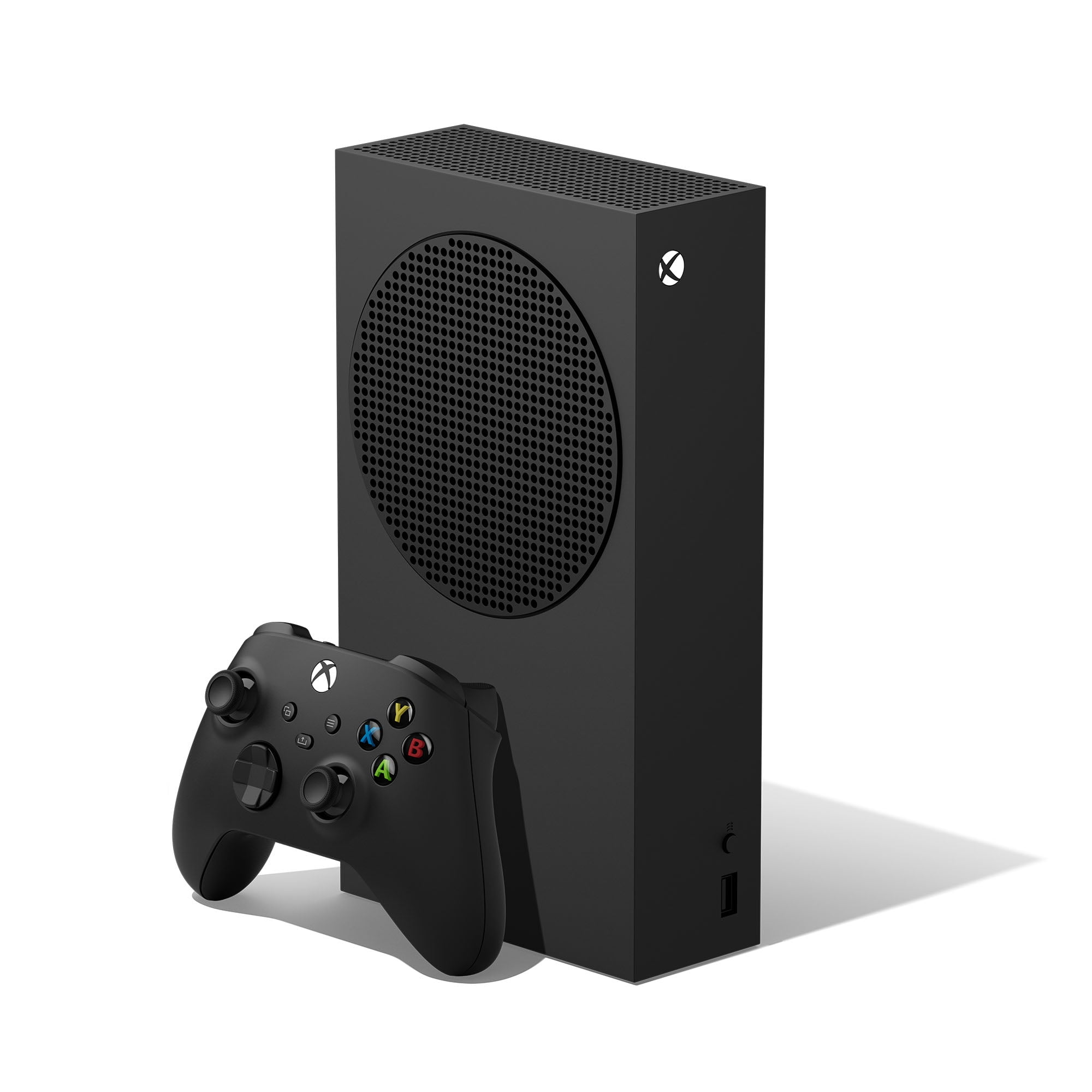
One factor likely influencing this decision is the competitive pressure from Microsoft. The Xbox division has aggressively pursued PC gaming, with titles like Halo Infinite and Forza Horizon 5 launching simultaneously on Xbox Series X|S and Windows. Sony may see little incentive to dilute its exclusivity strategy when Microsoft is already capturing a significant share of the multiplatform market. The rise of cloud gaming—where titles like PlayStation Plus Premium offer streaming access to games—could further reduce the need for native PC ports.
Sony’s stance contrasts with that of other major publishers like Activision Blizzard and Take-Two, which have embraced PC as a primary platform for their AAA franchises. However, Sony’s approach is not without precedent: even Nintendo, despite its mobile and cloud ventures, has historically treated PC as a niche platform for its first-party games.
What Does This Mean for Gamers?
The immediate impact for PC gamers is clear: fewer opportunities to play Sony’s single-player exclusives outside of its consoles. Titles like God of War Ragnarök and upcoming projects from studios like Naughty Dog and Sucker Punch Productions will now be PlayStation-only experiences. This could drive more PC gamers toward third-party titles or alternative platforms, though Sony’s multiplayer-focused franchises—such as Horizon and Final Fantasy—may still see cross-platform releases.
For console owners, the decision reinforces Sony’s commitment to its hardware ecosystem. The PlayStation 5, which has faced competition from the Xbox Series X and Nintendo Switch, may benefit from this exclusivity strategy, as gamers are incentivized to invest in Sony’s hardware to access its first-party titles. However, the move could also accelerate the decline of PC as a viable platform for high-end single-player experiences, particularly if other major publishers follow suit.
One silver lining for PC gamers is that Sony has not ruled out future multiplatform releases entirely. The company has previously stated that its decision applies specifically to single-player exclusives, leaving open the possibility for multiplayer titles—such as Gran Turismo or Destiny 2—to continue bridging platforms. Remastered or re-released titles (like Shadow of the Colossus) may still find their way to PC through third-party publishers.
Industry Reactions: What’s Next?
The gaming community has reacted with mixed emotions to Sony’s announcement. Some PC gamers express disappointment, particularly those who rely on Steam for access to AAA titles. Others argue that the decision is a natural evolution for Sony, given its long-standing focus on console exclusivity. Industry observers, however, warn that the move could further fragment the gaming market, making it harder for players to enjoy seamless experiences across devices.
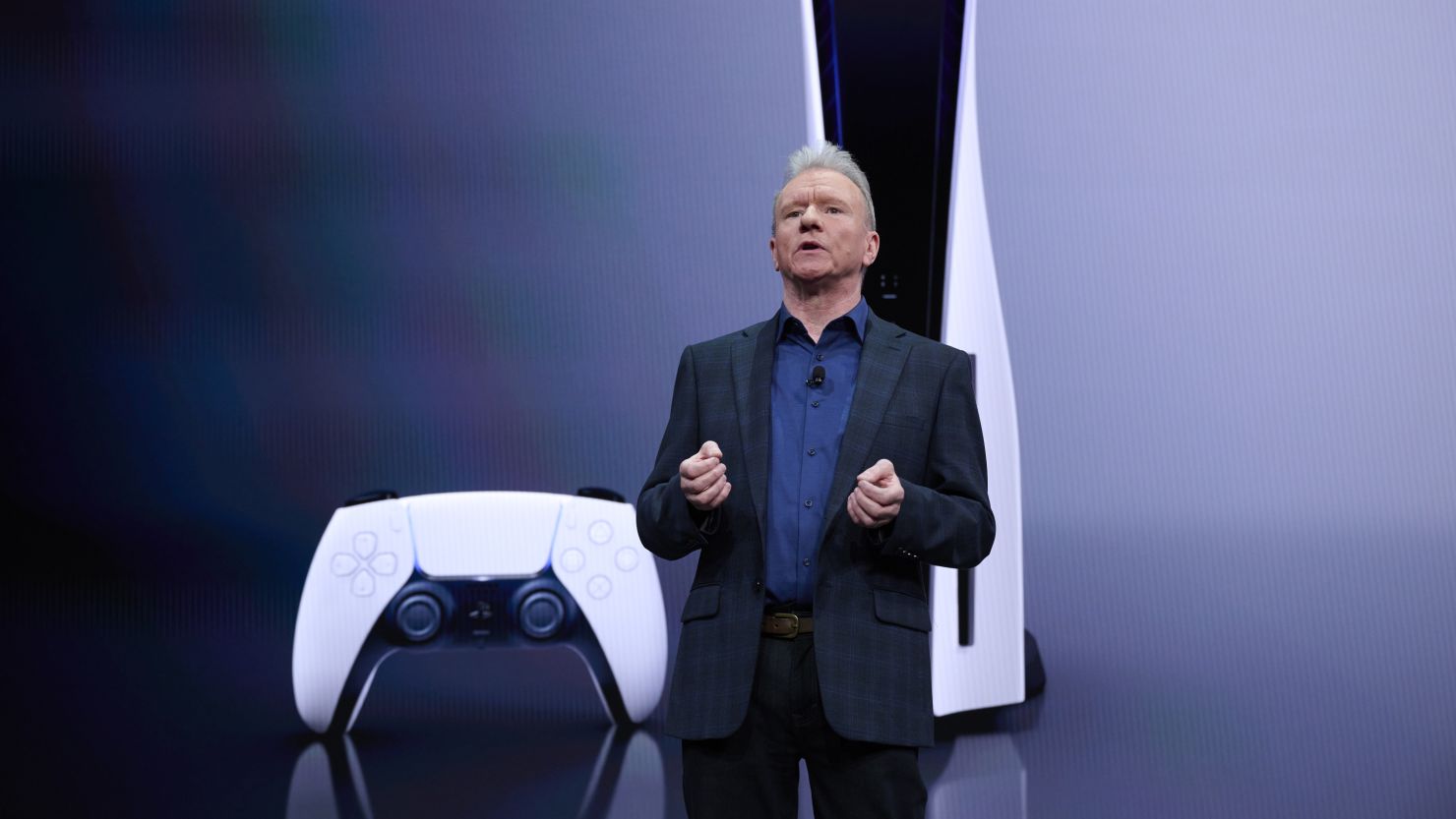
Developers and publishers are likely to adapt to this new landscape. Smaller studios may see opportunities to fill the gap left by Sony’s exclusives, while larger publishers could face pressure to ensure their games remain accessible across platforms. Meanwhile, Sony’s competitors—particularly Microsoft—may continue to push for broader multiplatform support, potentially influencing future industry trends.
Retailers and digital storefronts like Steam, Epic Games Store and the Microsoft Store could also be affected. With fewer high-profile Sony exclusives, these platforms may need to rely more heavily on third-party titles and indie games to maintain their user bases. For now, however, the focus remains on how Sony’s decision will shape the future of gaming exclusivity.
Key Takeaways
- Sony has officially ended PC ports for single-player PlayStation exclusives, reversing a trend that began with titles like Ghost of Tsushima.
- The decision aligns with Sony’s “First-Party First” philosophy, prioritizing its console hardware over PC.
- PC gamers will have fewer opportunities to play Sony’s flagship single-player titles outside of its consoles.
- Multiplayer titles and remasters may still see PC releases, but the focus is shifting toward console exclusivity.
- The move could further fragment the gaming market, with players increasingly tied to specific hardware ecosystems.
- Industry competitors like Microsoft may continue to push for broader multiplatform support, influencing future trends.
What Happens Next?
While Sony has not provided a detailed roadmap for its future multiplatform strategy, the company is expected to continue refining its approach based on market feedback. Developers working on upcoming PlayStation titles will need to align with this new policy, and retailers should prepare for a potential shift in the availability of Sony’s exclusives on PC.
For now, the best place to stay updated is Sony’s official website and its developer communications. Gamers looking for alternatives may want to explore third-party titles, indie games, or cloud gaming services like Xbox Cloud Gaming or NVIDIA GeForce Now.
As the industry adapts to this change, one thing is clear: Sony’s decision will reshape the landscape of gaming exclusivity, and players will need to adjust their strategies accordingly. Whether this leads to a more fragmented market or a renewed focus on hardware loyalty remains to be seen.
What are your thoughts on Sony’s decision? Will you be investing in a PlayStation 5 to access these exclusives, or are you exploring alternatives? Share your views in the comments below.
Keep reading